
Last updated November 22, 2026
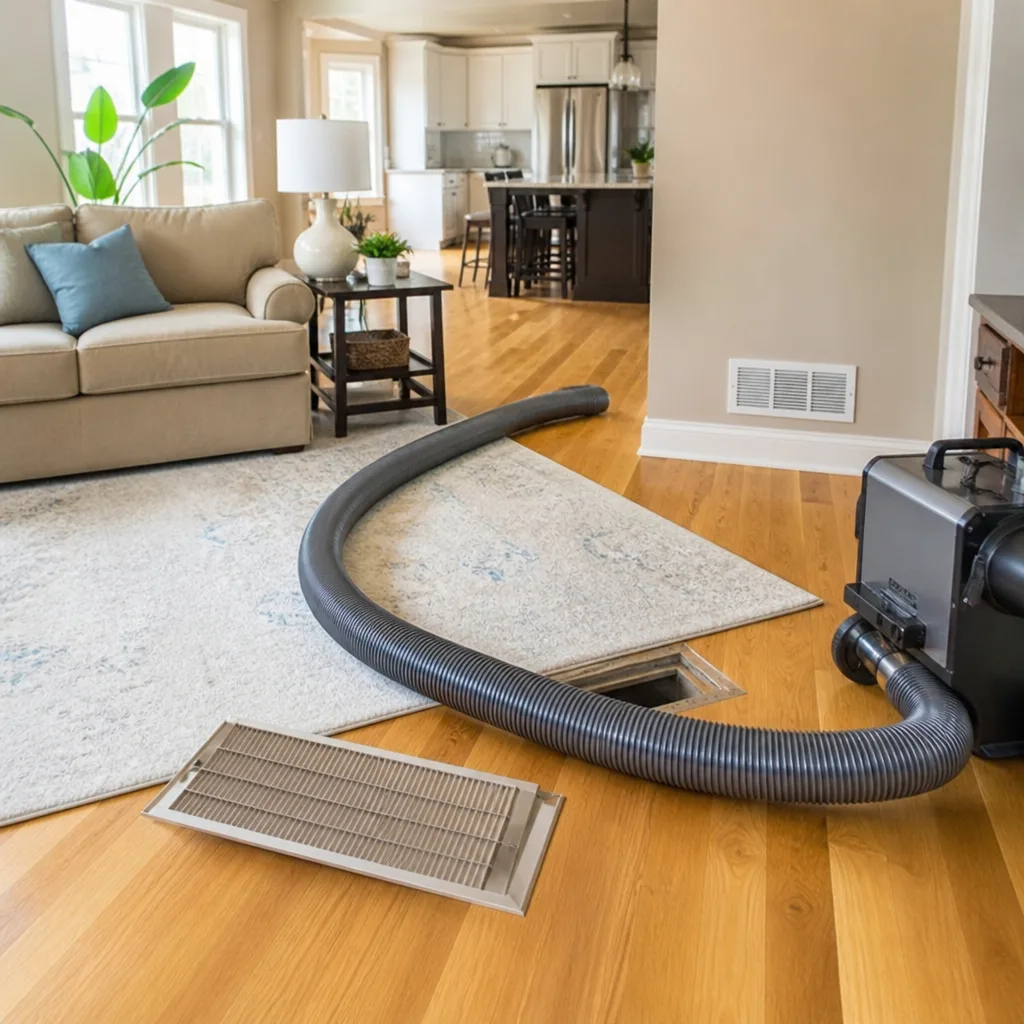 Whole-home duct cleaning
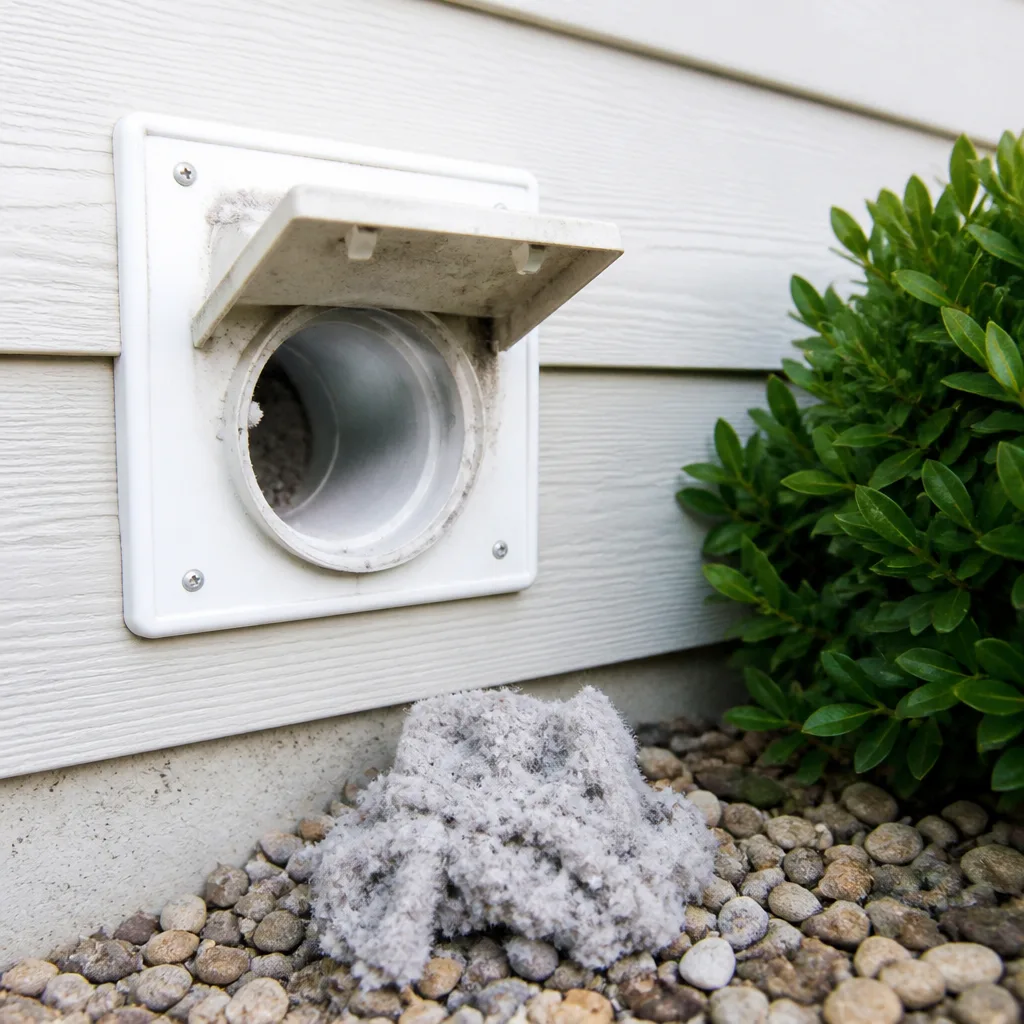 Dryer vent cleaning
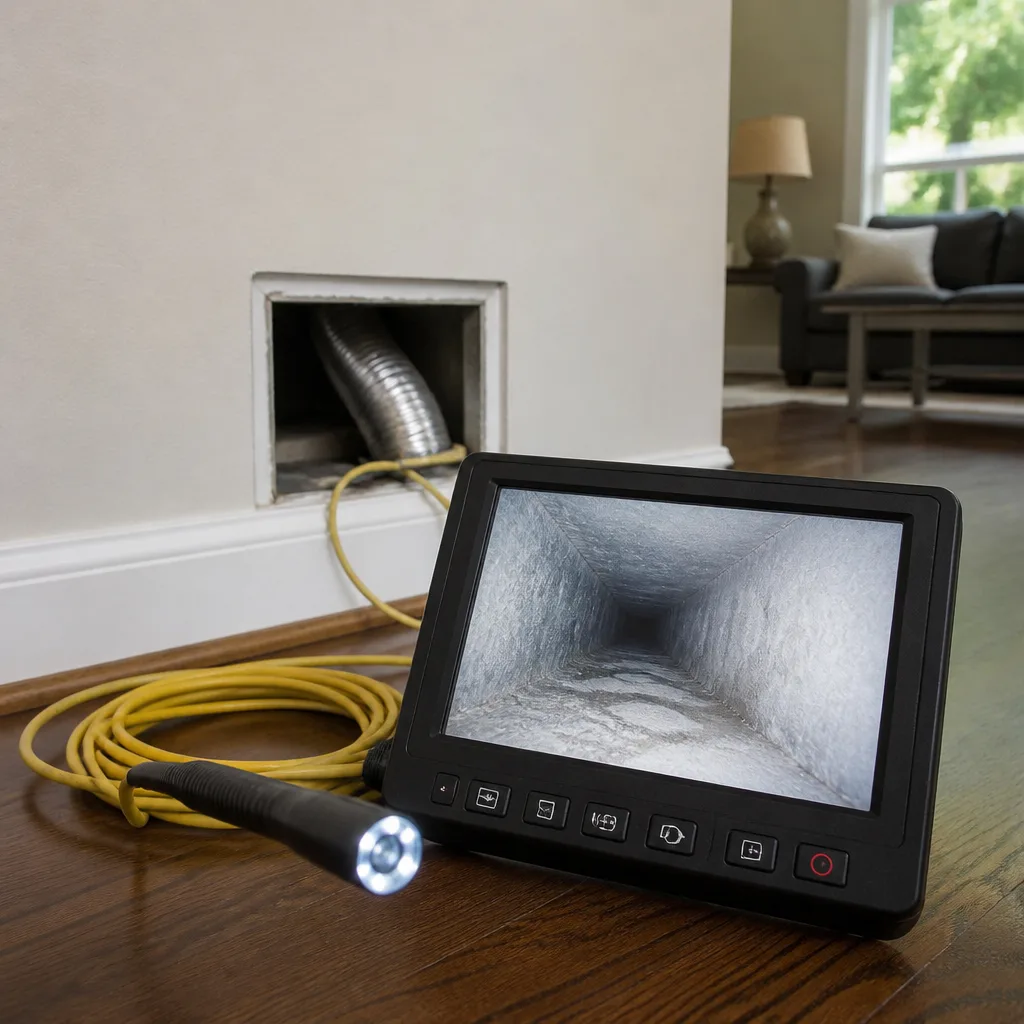 Camera inspection
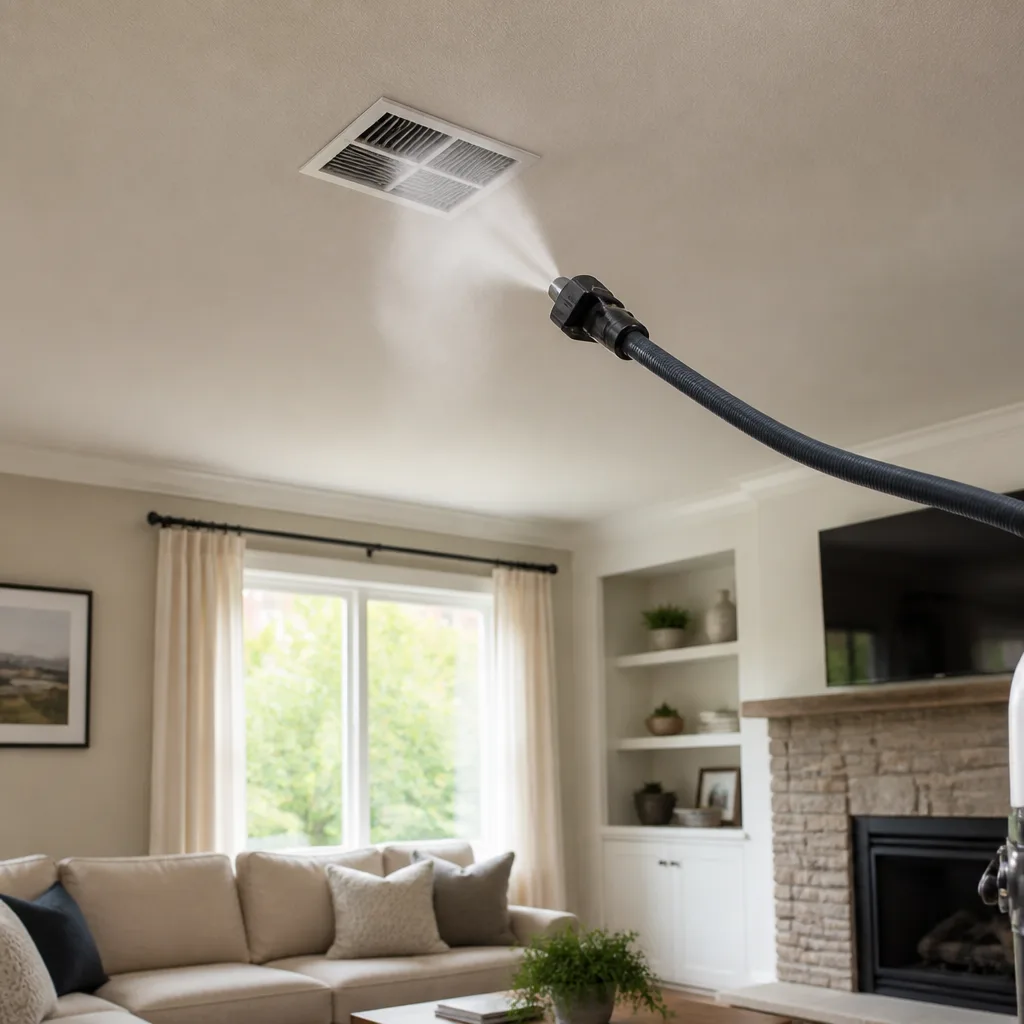 Sanitizing & deodorizing
Whole-system duct and dryer vent check with before-and-after photos - you see exactly what came out of your vents
That "$99 whole-house special" is a bait ad - the real number appears once they are in your hallway, or the "clean" is a shop-vac at the register. We photograph the inside of your ducts before and after instead.
Air Duct Cleaning Cost Breakdown: The Flatbush Homeowner’s Reference for 2026
A $149 whole-house duct cleaning quote in Brooklyn is not a deal. It’s a scope reduction. At that price, the math only works if the crew spends under 90 minutes on-site, and 90 minutes is not enough time to source-remove debris from a full duct system, pull and clean every register, and document the before and after. This reference breaks down what actually drives the price of Air Duct Cleaning Flatbush work in 2026: the equipment floor, the pricing models, the line items, the legitimate add-ons, and the Flatbush-specific conditions that push a job up. By the end, you’ll be able to read a quote and know exactly what scope you’re paying for.
Quick Answer
A full-scope residential air duct cleaning in Flatbush typically runs in the range of several hundred dollars for a standard apartment-sized system and well over a thousand for a large multi-return house, with the written estimate setting the final number. The single biggest reason quotes vary by 400% between operators is not price gouging: it’s that crews are selling fundamentally different scopes under the same label. A flat rate that sounds low usually means fewer access points, no containment, no register pulls, and no documentation. Cost per duct opening and flat-rate quotes each have a place, and this guide shows you which one to insist on.
Styles & brands we work with
- Whole-home duct cleaning
- Dryer vent cleaning
- Camera inspection
- Sanitizing & deodorizing
Table of Contents
- Why air duct cleaning quotes vary by 400% in NYC
- Cost per duct opening vs. flat-rate pricing
- Equipment cost as the price floor
- Line-item breakdown of a full-scope job
- Legitimate add-ons vs. upsells with no basis
- Flatbush-specific cost factors
- How to read a quote in 2026
Why air duct cleaning quotes vary by 400% in NYC
The variation isn’t market noise. It’s scope. When you line up three quotes for the same Flatbush apartment and one is $149, one is $500, and one is $1,200, the three crews are not doing the same job at three prices. They’re doing three different jobs that share a name.
The cheapest tier is almost always a surface pass. A technician walks in with a shop vac and a spinning brush, hits the visible runs near the registers, wipes down the grilles, and leaves. No containment, no negative air, no register pulls, no documentation. The mid tier typically adds containment and a purpose-built system, but may still skip the blower compartment, the coil, or a full register pull. The top tier is the full-system job: main trunk, branch runs, every register pulled and cleaned, blower compartment, coil inspection, before-and-after documentation, and a written scope agreed before work begins.
In Flatbush specifically, the mix of pre-war walk-ups, converted multi-family buildings, and newer construction means duct systems vary wildly from one block to the next. A crew that quotes from a standardized price sheet without walking the system is guessing, and a crew that guesses usually guesses low to win the job. That’s the mechanism behind the spread you see in quotes. It isn’t that one contractor is honest and the rest are crooks. It’s that the industry has no shared definition of what “duct cleaning” includes.
This is where a specialist matters. A general HVAC contractor who cleans ducts on the side will often fold the cleaning into a service call and dedicate less than an hour to it. A focused indoor-air company brings the right equipment and the right scope by default. That distinction shows up in your quote more than anything else.
Cost per duct opening vs. flat-rate pricing
There are two pricing models in air duct cleaning and they behave very differently depending on how complex your system is.
Cost per duct opening
This model prices each vent or return separately. It looks transparent on paper because you can count your own registers and multiply. The problem is that the structure rewards the contractor for proximity, not thoroughness. A crew charging a modest rate per opening makes more money by moving fast and adding openings, not by spending real time on the ones that matter. On a simple system with six to eight openings, cost per opening is workable. On a complex system with fourteen or more, it can either get expensive fast or invite a rushed job.
Flat-rate pricing
Flat-rate pricing charges a single number for the whole-system clean. On paper it sounds predictable. In practice it favors the contractor on complex jobs, because the price is set before anyone knows how long the system will take. A flat rate that looks fair on a six-opening apartment can be a bad deal on a house with multiple trunk runs, tight access, and a blower compartment that hasn’t been touched in years.
The middle path, and the one we recommend in Flatbush, is a hybrid: a written scope with a fixed price, but the price is set after a walkthrough. You get the predictability of flat rate with the accuracy of a measured quote. The written estimate sets the final price, so nothing changes once work starts. One flat price per system, agreed before any equipment is unloaded.
- Cost per opening: transparent count, but rewards speed over thoroughness.
- Flat rate: predictable number, but the contractor absorbs the complexity risk and may under-scope to protect margin.
- Written scope + fixed price: the number doesn’t move after agreement and the scope is documented.
Equipment cost as the price floor
Every operator who cleans ducts professionally has a floor below which the job stops being viable. That floor is set by equipment. A purpose-built duct-cleaning system like a Rotobrush or a Nikro unit isn’t a shop vac on a longer hose. It’s a purpose-built machine with a sealed hose system, rotating brush heads sized to fit different duct profiles, and a HEPA-grade collection unit. Equipment cost per job is real, and it’s what separates a $149 quote from a $500 one more than labor.
The second piece is containment. A legitimate full-system clean uses negative-air equipment like Abatement Technologies to hold dislodged dust inside the work zone rather than letting it recirculate into the living space. That equipment has to be brought in, set up, run through the job, and torn down. It adds time and cost. It also determines whether the air in your apartment gets cleaner or the dust just moves from the ducts onto your furniture.
When a quote is far below the market, one of these pieces is missing. Usually it’s both. The cheap tier is not running containment, and it’s not running purpose-built equipment. It’s running an improvised setup that costs the operator almost nothing per job, which means the operator can charge almost nothing and still make margin.
A quick way to test a quote
- Ask what equipment will be used on the job. If the answer is “a vacuum” without a brand name, that’s your signal.
- Ask whether negative air containment will be set up. If the answer is “it’s not necessary,” you know you’re getting the surface pass.
- Ask how many registers will be pulled vs. vacuumed in place. “Pulled” is what actually removes debris from behind the grille.
- Ask for the estimated on-site time. Anything under 90 minutes on a full system is a surface clean.
None of this means a cheap quote is dishonest by definition. It means a cheap quote is a smaller job. Sometimes a smaller job is what you need. Just know which one you’re buying.
Line-item breakdown of a full-scope job
Here’s what a legitimate full-scope residential clean actually includes, and where the labor time lands in each line. This is the scope a specialist brings by default. If your quote is missing lines from this list, it’s a partial job under a full-job name.
1. Main trunk cleaning
The trunk is the large duct that runs through the core of the system. It’s where the largest debris accumulations sit and where containment matters most. This line typically consumes a solid chunk of time because the trunk branches off into multiple runs, each of which needs brush and hose access.
2. Branch run cleaning
Branches are the ducts that feed individual rooms. Each one needs the rotating brush head run through it, the debris pulled back to the main collection point, and the interior visually checked. On a standard Flatbush apartment you’ll have several branches. On a larger multi-return house you’ll have more.
3. Register pulls and cleaning
Every supply and return register gets removed, cleaned outside the system, and reinstalled. Vacuuming a grille in place does not clean the register, and it does not let the crew clean the duct immediately behind it.
4. Blower compartment
The blower moves all the air in your home continuously. When it collects dust, that dust gets redistributed every time the system runs. Cleaning the blower compartment is standard on a full-scope job and omitted on the cheap tier.
5. Coil inspection
The evaporator coil is where the air conditioning meets the moving air. A clean coil means better air and better cooling. An inspection tells you whether the coil has buildup that needs a separate coil cleaning.
6. Before-and-after documentation
Photos of the ducts before and after cleaning are not decoration. They’re proof of work. A crew that does the work will have no hesitation showing you the same ducts from the same angles on either side of the job. If a quote doesn’t mention documentation, ask why.
That’s the full scope. A quote missing any of these lines is not the same job. This is also why the honest answer to “how much does duct cleaning cost” is a range and not a single number. The scope varies with the system, and the written estimate is the number that holds.
Legitimate add-ons vs. upsells with no basis
Add-ons are where the industry loses trust fastest. Some are real and worth the money. Some are scoped into a job to inflate a bill, with no diagnostic basis at all.
Legitimate add-ons
- Coil cleaning: if the coil inspection finds buildup, coil cleaning is a real service that improves cooling and air quality. It’s a separate line and should be quoted separately.
- Sanitizer application: applied to documented biological growth, sanitizer is a legitimate service. The key word is documented. Ask to see the finding before you approve it.
- Duct repair and sealing: gaps in the duct system waste energy and re-contaminate clean ducts. Sealing is a repair, not a cleaning, and it’s worth doing when the inspection finds a gap.
- Filtration or humidity improvement: if your return or filter housing needs an upgrade, adding a proper media filter or a humidity control component is a real improvement, not a cleaning upsell.
Upsells with no basis
- Sanitizer pitched on every job regardless of what the inspection finds.
- Fogging treatments with no stated target and no documentation.
- “Sealing” that’s actually a coating sprayed over debris instead of a real duct repair.
- Filter upgrades on a filter housing that isn’t rated for the higher-efficiency media.
A specialist will assess first and quote add-ons against what the inspection actually found. This is how the full-system approach works across our air duct cleaning and HVAC cleaning services, and it’s why the line items exist as separate lines rather than a rounded-up bundle.
Flatbush-specific cost factors
The Flatbush housing stock changes the math on duct cleaning in ways a generic pricing sheet never captures. Three factors push a job above the baseline more often here than in most of Brooklyn.
Multi-family converted buildings
Flatbush has a lot of buildings that were originally multi-family or were converted from larger homes into separate units, and back again. Duct runs in these buildings are often non-standard: retrofitted along joist bays, rerouted through closets, spliced in ways that don’t match any standard layout. A crew that arrives expecting a straight trunk and four branches will spend extra time tracing the system, and that tracing time is legitimate labor. If a quote doesn’t mention a walkthrough before the job, ask for one.
Older systems requiring more access points
Older duct systems often need cuts to be made for access, because there’s no other way to reach the trunk from the blower. Each access point is a cut and a re-seal. More access points means more time, more materials, and a higher price. This is not padding. A 1950s system needs the access a 2010s system doesn’t.
Temporary furniture relocation
Flatbush apartments and smaller homes often have furniture sitting right in front of registers, or storage arranged so that a crew needs to move things to get to the return. If the crew is professional, they’ll move the furniture and put it back. That’s legitimate time. If a quote doesn’t address furniture, expect a mid-job conversation about it.
The through-line is that Flatbush’s housing stock is varied, and varied housing stock means a proper quote has to be based on your system, not on a generic average. A crew that can walk your ducts and give you a scope with reasoning behind it is showing you their work. A crew that quotes from a phone call is showing you their guess.
How to read a quote in 2026
A duct cleaning quote is only useful if it tells you what’s included. Here’s how to read one in 2026 so you know exactly what scope you’re being sold.
- Look for the scope line by line. A quote that lists trunk, branches, registers, blower, coil, and documentation is a full-scope quote. A quote that says “full system clean” with no breakdown is a black box.
- Check for equipment name. A Rotobrush or Nikro machine by name is a purpose-built tool. A vacuum with no name is a shop vac.
- Check for containment. Negative air containment via Abatement Technologies protocols means the debris gets captured. No containment means it gets recirculated.
- Check for register pulls in the count. If the quote mentions the number of registers being pulled, the crew is doing the work. If it doesn’t, ask.
- Check the fixed-price language. “One flat price per system, agreed before work starts” is what you want to see. “Final price depends on what we find” means the number will move.
- Check what’s not included. Coil cleaning, sanitizer, duct repair, and sealing should be listed as separate optional lines. If they’re folded into the main quote without an inspection, ask why.
- Ask for before-and-after photos of your own ducts. Not stock photos, not a video from another job. Your ducts, your system.
If you can answer all seven of those items from the written quote, you have a quote you can compare. If not, ask the crew to put it in writing before you agree.
Common Mistakes to Avoid
- Buying on price alone. A $149 quote and a $700 quote may both be honest, but they’re not the same job. Compare scope, not numbers.
- Not asking about equipment. If a crew can’t name the machine, they’re probably running something repurposed. Rotobrush and Nikro are the standard for a reason.
- Believing every sanitizer pitch. Sanitizer is legitimate when applied to documented biological growth. If the crew suggests it before the inspection, that’s an upsell.
- Skipping the walkthrough. A quote given over the phone without seeing your ducts in Flatbush is a guess. Flatbush systems vary enough that a phone quote is almost never accurate.
- Forgetting the dryer vent. Dryer vents are a fire risk, not just a maintenance item. If the crew isn’t quoting that as a separate line, ask.
- Not asking about duct sealing. Cleaning without sealing leaves gaps that re-contaminate the system. Ask whether your ducts need repair and sealing as part of the scope.
- Accepting “we’ll send photos later.” Photos should be taken during the job and shown before the crew leaves. If they’re not, ask.
See the difference
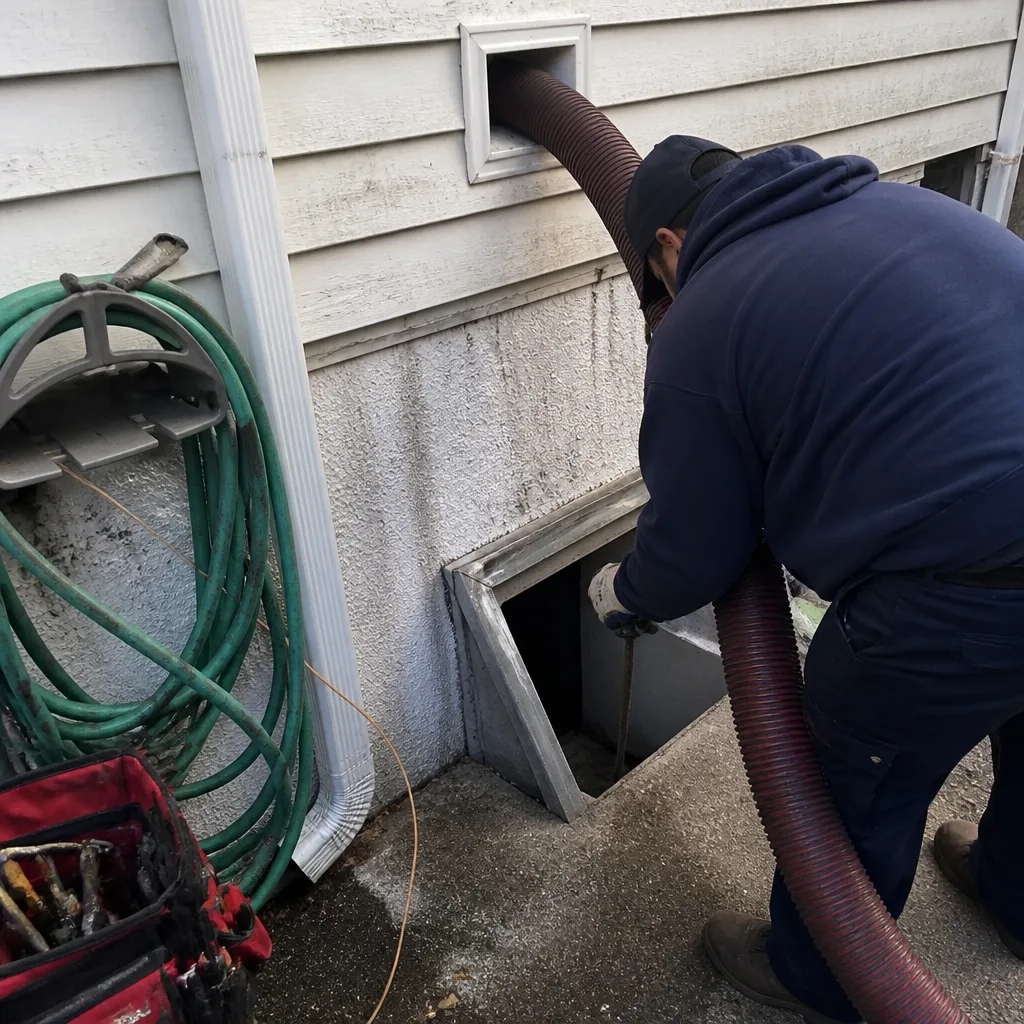 Before
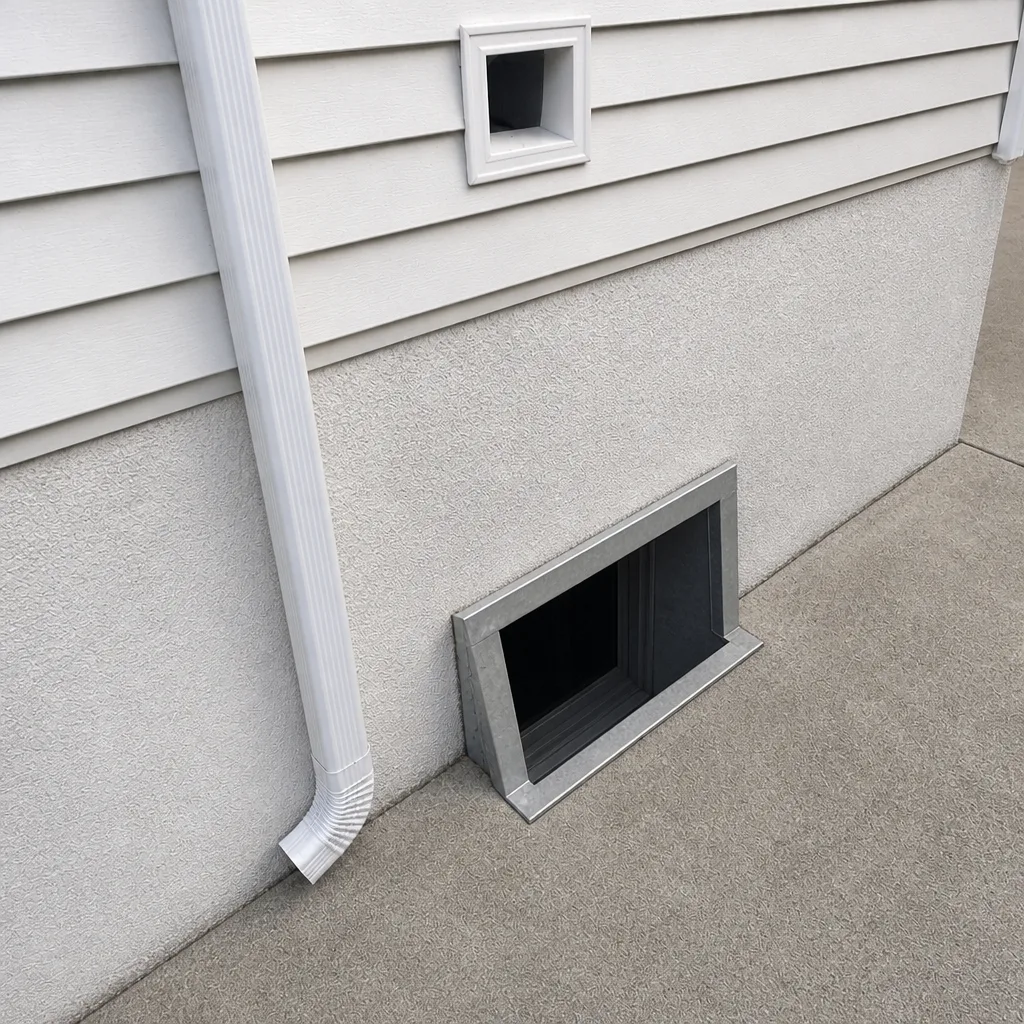 After
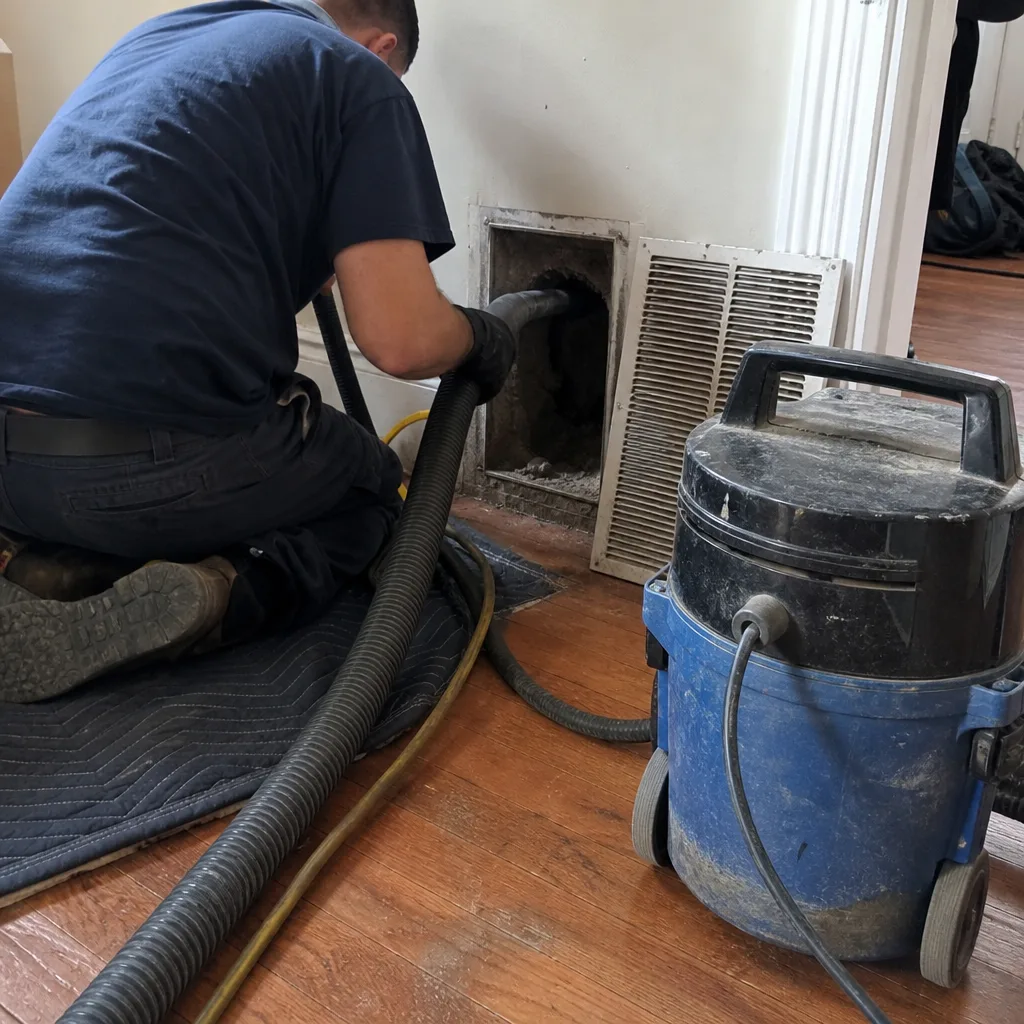 Before
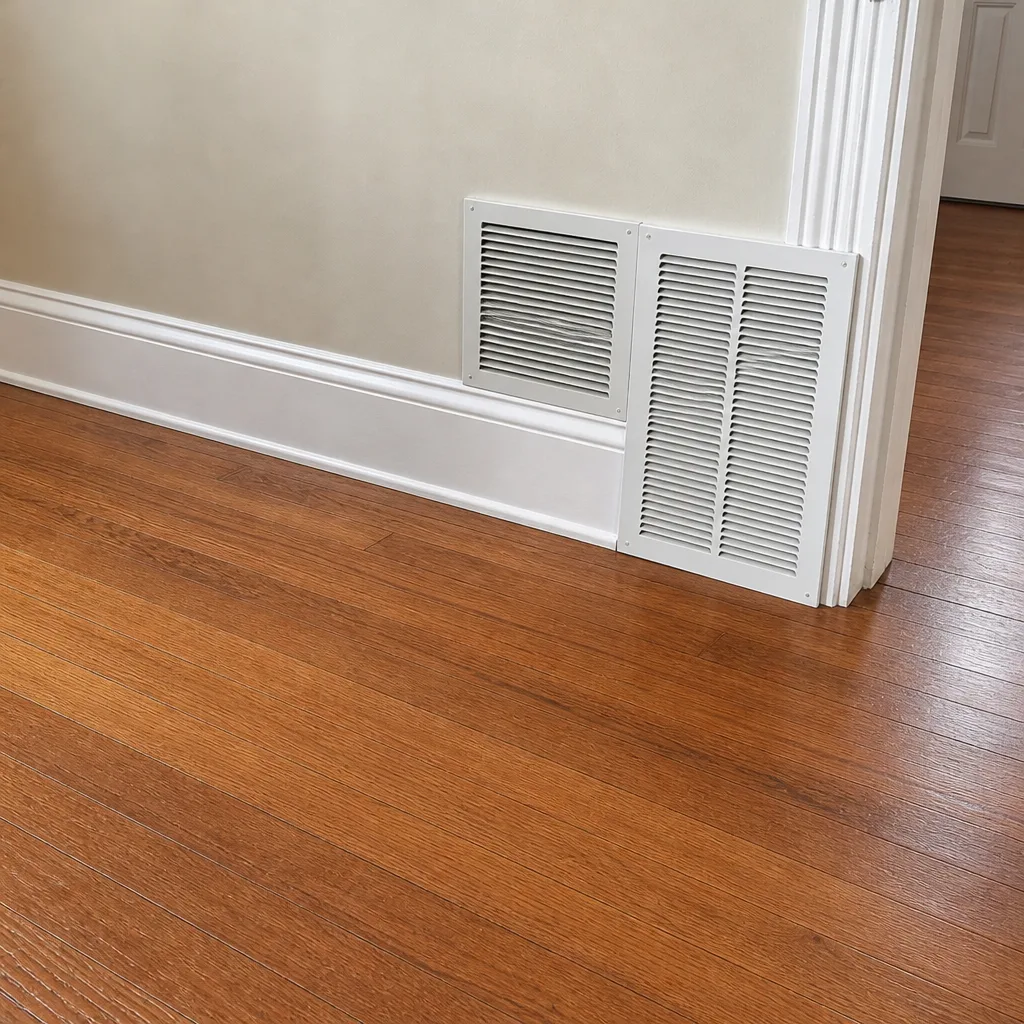 After
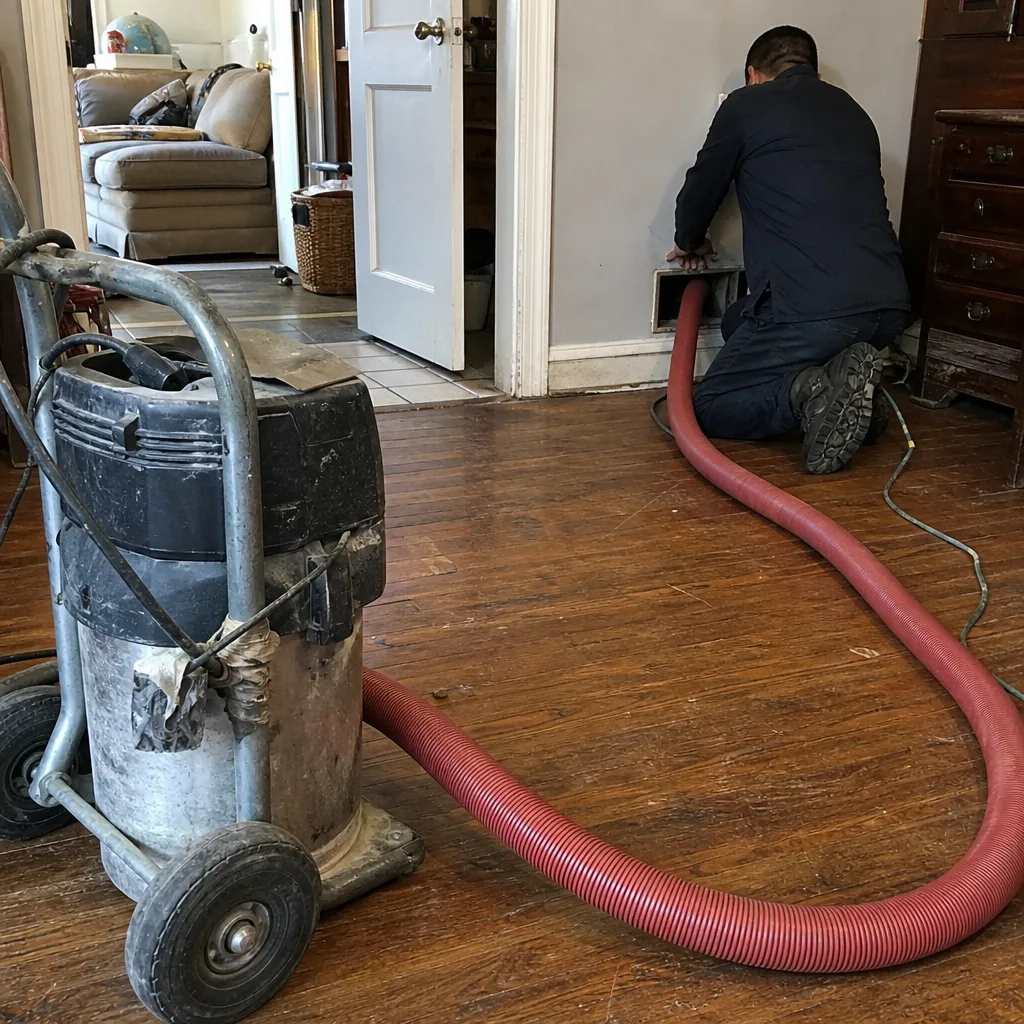 Before
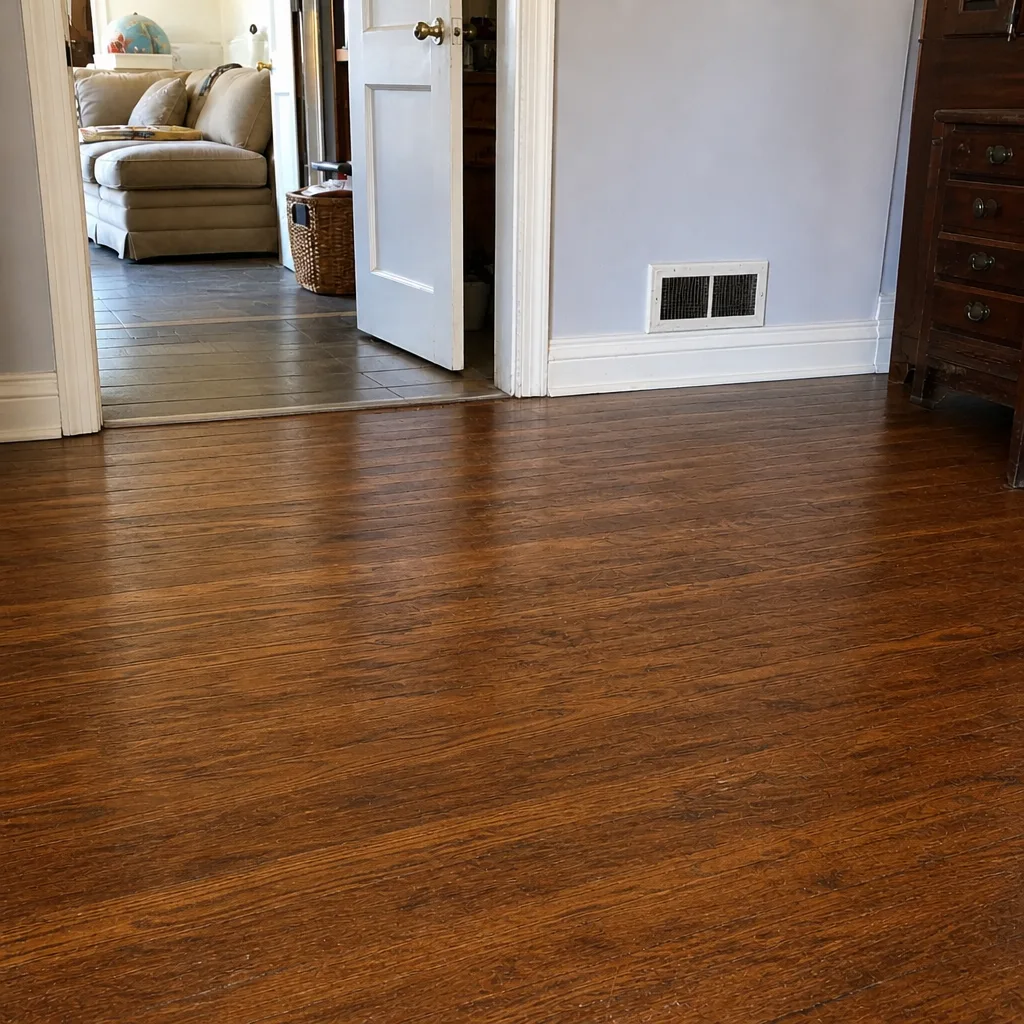 After
When to Call a Professional
Some signs mean the ducts have quietly become a problem. Persistent dust on flat surfaces within a day or two of cleaning. Visible dust streaks around return grilles. A musty smell when the system turns on. Allergy symptoms that ease when you leave and flare when you come home. A jump in the heating or cooling bill with no obvious cause. Any of these is a reason to book a walkthrough rather than a cleaning. On the safety side, a dryer vent that hasn’t been cleaned is a fire risk, and a dryer vent run longer than the manufacturer rates for the duct length should be checked by someone trained to look at it. A technician with the right equipment can see the buildup and give you a scope. Air Duct Cleaning Flatbush offers free estimates in Flatbush – call (866) 937-8518. We answer 24/7. Fast dispatch from 7am to 7pm, Sunday through Friday. Our technicians have up to 14 years of experience, and the local professional is licensed and insured as their state requires.
Frequently Asked Questions
A full-scope residential job in Flatbush typically runs in the range of several hundred dollars for a standard apartment-sized system and well over a thousand for a larger house with multiple returns, with the written estimate setting the final number. The number depends on system size, number of openings, access difficulty, and whether the job includes register pulls, blower, and documentation. The cheapest quotes are usually a smaller scope, not a better price. Call (866) 937-8518 for an exact quote – estimates are free.
Cheaper quotes are almost always a reduced scope. The crew skips containment, uses improvised equipment, doesn’t pull registers, and gives you a surface pass instead of a full-system clean. The job can’t be done at a very low price in under 90 minutes on-site, so the only way to quote low is to do less. Ask what’s included line by line before you compare numbers. Call (866) 937-8518 if you want a walkthrough – the estimate is free.
Before-and-after photos of your own ducts, taken from the same angles, are the proof. Any crew doing the work will have no hesitation showing you what changed from one side of the job to the other. Ask to see them before the crew leaves, not in an email later. A crew that can’t produce them isn’t documenting their work. Call (866) 937-8518 if you want to see how we document a job in Flatbush.
Most homes don’t need it on a calendar schedule. A walkthrough every few years is reasonable in Flatbush’s older buildings, and immediate cleaning is worth doing if you’re seeing visible dust, a musty smell on startup, or allergy symptoms that track with the system running. A recent renovation is also a reason, since drywall dust and construction debris end up inside ducts. Call (866) 937-8518 if you’re not sure whether your system needs it – the estimate will tell you.
Flatbush’s mix of humid summers and dry winter heating means ducts cycle through both moisture and dry air through the year. That swing promotes buildup faster than a climate with one stable condition, especially in buildings that run the system year-round. The practical answer is that older Flatbush buildings with non-standard duct runs tend to accumulate dust more visibly than newer construction, so a walkthrough is worth doing before you commit to a schedule. Call (866) 937-8518 to book one – it’s free.
No. Dryer vent cleaning is a separate service with its own safety logic. The dryer vent carries lint and heat out of the home, and a clogged vent is a fire risk, not a maintenance item. In Flatbush, where many buildings have longer-than-standard vent runs to an exterior wall, the vent can clog faster than the manufacturer’s rating assumes. Book it alongside dryer vent cleaning if it’s been a while.
The Bottom Line
Air duct cleaning cost in Flatbush in 2026 is a reflection of scope, not market inefficiency. A quote that’s a fraction of the market isn’t a deal: it’s a smaller job with containment dropped, registers not pulled, and no documentation. A full-scope quote includes trunk, branches, registers, blower, coil inspection, and before-and-after photos, priced as one flat number agreed before work starts. The written estimate sets the final price. If you want a quote you can actually compare, ask for a walkthrough and a line-item scope, and book it here. Air Duct Cleaning Flatbush offers free estimates in Flatbush – call (866) 937-8518. We answer 24/7. Fast dispatch from 7am to 7pm, Sunday through Friday. Our technicians have up to 14 years of experience.
Our work is built around purpose-built equipment, not improvised tools. Rotobrush and Nikro systems are designed exclusively for duct cleaning, and Abatement Technologies containment keeps what comes loose inside the work zone instead of back in your apartment. From there, the scope extends to duct repair and sealing when the inspection finds gaps, and to filtration and humidity improvement with Honeywell and Aprilaire products when the return can support it. And because a clogged dryer vent is a fire risk rather than an air quality issue, it’s handled as its own service. Read more about how each of those pieces fits together at our Air Duct Cleaning Flatbush page, or call (866) 937-8518 to book a free estimate.
Written by the team at Air Duct Cleaning Flatbush.