
Last updated November 22, 2026
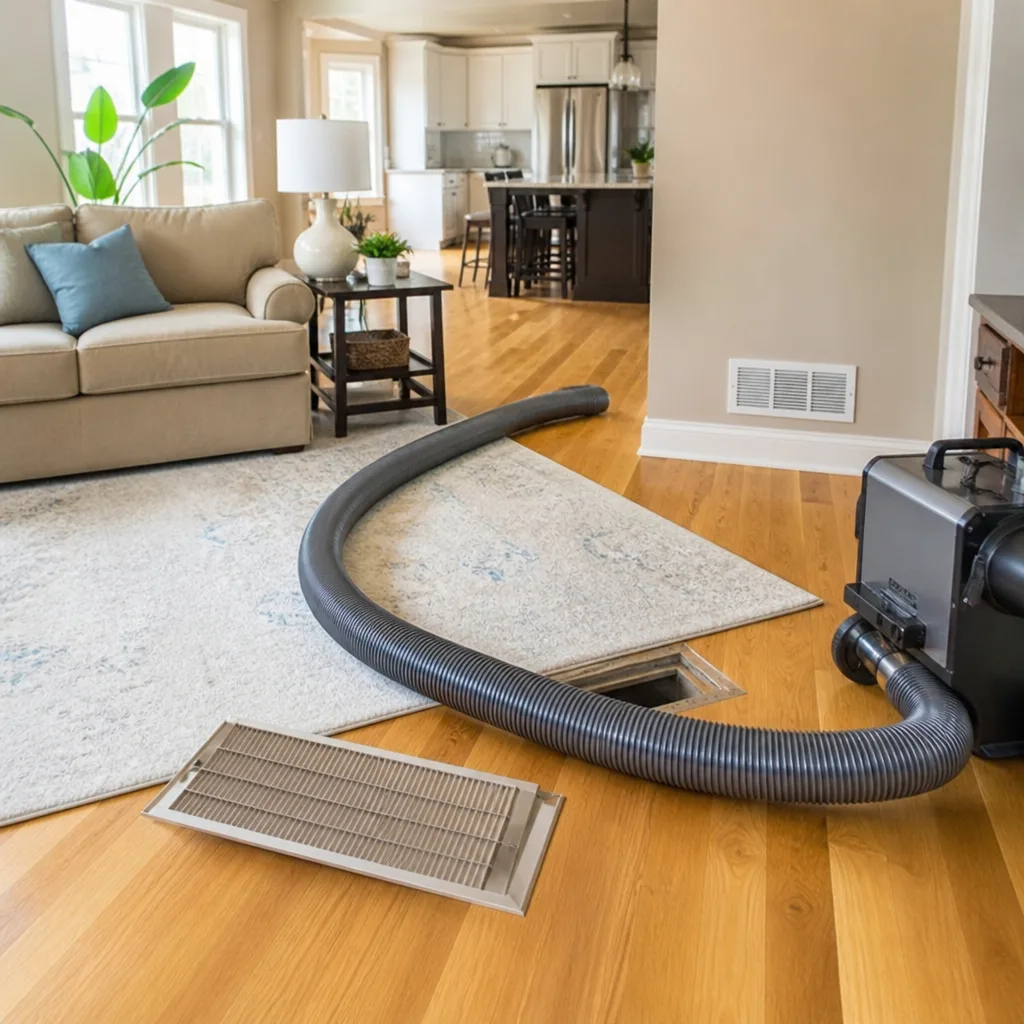 Whole-home duct cleaning
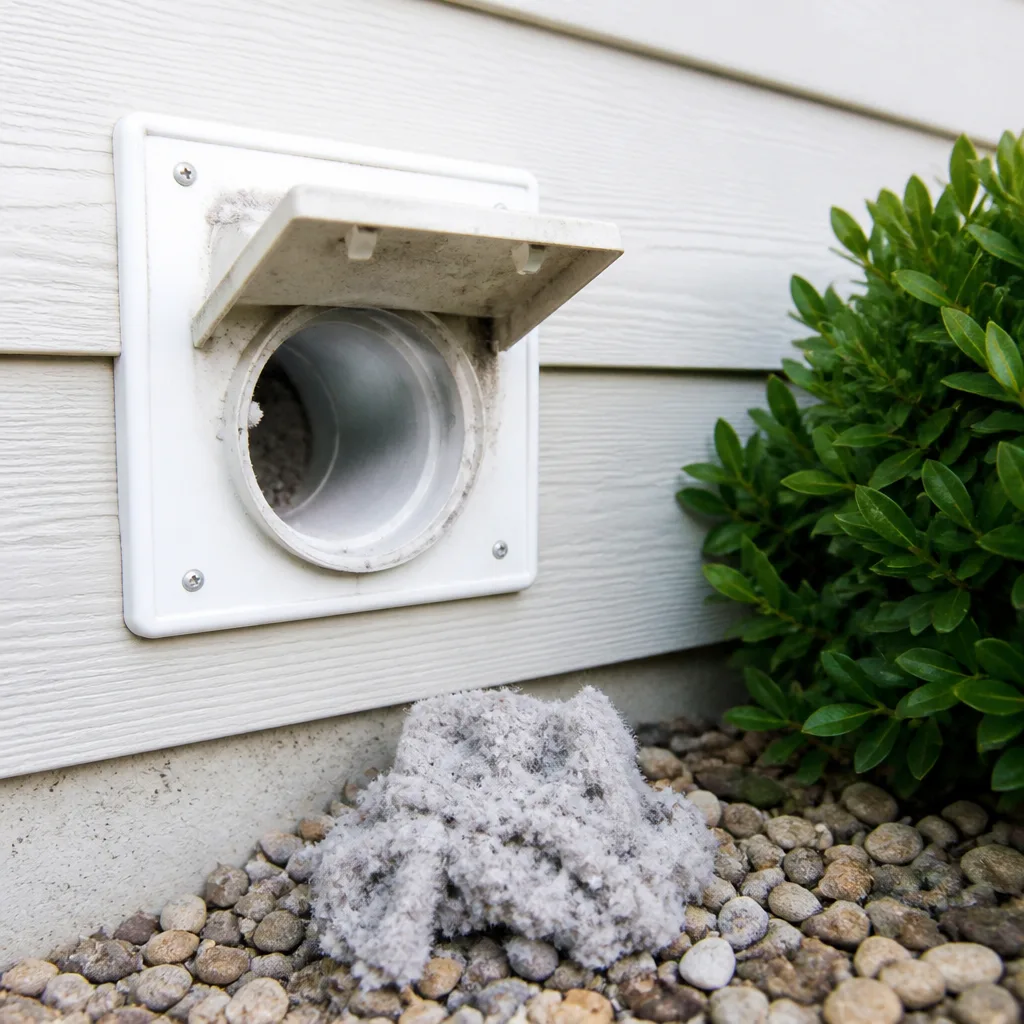 Dryer vent cleaning
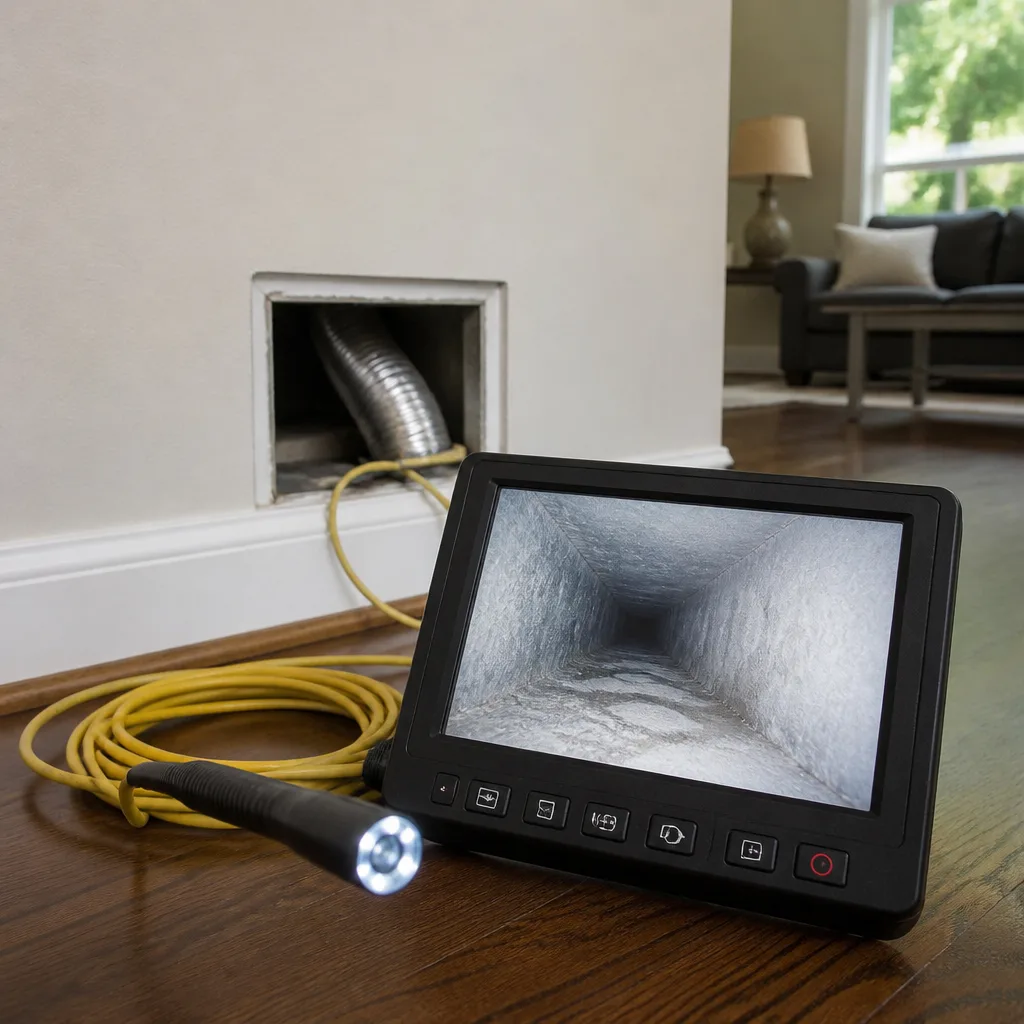 Camera inspection
 Sanitizing & deodorizing
Whole-system duct and dryer vent check with before-and-after photos - you see exactly what came out of your vents
That "$99 whole-house special" is a bait ad - the real number appears once they are in your hallway, or the "clean" is a shop-vac at the register. We photograph the inside of your ducts before and after instead.
Air Duct Cleaning Maintenance Checklist for Flatbush Homeowners
Changing your filter on schedule while ignoring the return plenum is like brushing your teeth but never cleaning the sink drain. The contamination point sits upstream of the filter, not downstream. Most homeowners in Flatbush replace filters faithfully and still watch dust settle on the same shelves every week, because the filter catches what passes through it, and the plenum, the return chase and the supply branches collect what never makes it that far. We wrote this checklist to fix that blind spot. What follows is a diagnostic calendar built around the actual mechanical events of a heating and cooling year, so you catch problems before they migrate into the air handler or the coil. It covers what to inspect yourself, what to leave alone, and how to log findings across several years so degrading trends show up before they cost you.
Quick Answer
A sound annual routine for a Flatbush home has two seasonal checkpoints: post-heating in March, when you clear dust and burner byproduct residue near the heat exchanger and look at the supply plenum, and pre-cooling in April, when the evaporator coil, condensate drain and return grilles get inspected before the first warm stretch. Between those, do a monthly visual pass at your registers and a filter change on schedule. Any renovation, new pet, flooding or system replacement overrides the calendar and calls for a full inspection regardless of the month.
Styles & brands we work with
- Whole-home duct cleaning
- Dryer vent cleaning
- Camera inspection
- Sanitizing & deodorizing
Table of Contents
- Why a Calendar Beats a Generic Quarterly Reminder
- The March Checklist: After the Heating Season
- The April Checklist: Before Cooling Season Starts
- The Visual Inspection You Can Do Without Disassembly
- Trigger Events That Override the Calendar
- How to Log Findings and Spot a Degrading Trend
- The Dryer Vent on the Same Calendar
- Common Mistakes to Avoid
Why a Calendar Beats a Generic Quarterly Reminder
Most maintenance advice treats the duct system like a car that needs a checkup every three months regardless of how it was driven. That misses the point. Duct contamination is produced by specific mechanical events, and those events happen on a heating and cooling cycle, not a calendar quarter. A furnace that ran hard through a cold Brooklyn winter leaves a particular residue signature in the supply plenum. An air conditioner that runs through a humid Flatbush summer leaves something else entirely in the condensate pan and on the evaporator coil. Inspecting for the wrong one at the wrong time wastes the visit.
We’ve seen a pattern that repeats in apartment buildings and private houses across the neighborhood, and it’s the reason this guide is organized by season rather than by “quarterly, then yearly.” When you know what the equipment was just doing, you know what to look for and where it accumulates. That’s what makes duct inspection useful instead of ritual.
A calendar also gives you a shared vocabulary with whoever handles the work. When you call a specialist and say “I want the pre-cooling inspection done before we turn the AC on,” the technician knows exactly which surfaces and drains to open up. Compare that to the vague “can you clean my ducts” call, which tends to get you a vent wipe and not much else.
One more reason: Flatbush housing stock is a mix. Some buildings have forced-air furnaces sharing a system with central air, some run through-wall or split units, and some are older buildings where the ductwork predates the current equipment. In a mixed neighborhood, a fixed quarterly schedule fits none of these well, while a task list tied to your equipment’s real cycles fits all of them. If you want the deeper context on how full-system cleaning differs from a vent wipe, our guide to air duct cleaning covers the scope and the tools in detail.
The March Checklist: After the Heating Season
When the furnace winds down for the year, the duct system holds a season’s worth of deposits that were cooked onto surfaces by warm, dry air moving through the branches for months. March is the window to deal with them, before cooling season changes the airflow direction of the problem. Here is the order that makes sense.
- Look at the supply plenum. This is the transition box sitting directly above the furnace where conditioned air enters the trunk line. If residue is visible at the plenum after a heating season, it’s an indicator worth reading closely, because everything downstream of the plenum spent the winter breathing the same air.
- Note dust proximity to the heat exchanger. The heat exchanger is the metal component that separates combustion gases from the air you breathe. You don’t open it, and you don’t reach into it. What you can do is look at the surrounding duct surfaces and note how dusty or gray they are, and whether the dust looks uniform or heavier in one spot.
- Check burner byproduct residue in the supply side. Combustion gases should be vented out, not circulated. If you see soot streaks, darkening, or a film anywhere on the supply plenum or nearby duct, stop and call a professional before the system runs again. Soot where it doesn’t belong can mean the venting or the exchanger is not doing its job.
- Inspect return grilles for the winter’s accumulation. Pull the grille cover if it lifts easily or use a flashlight through the louvers. Return grilles work harder in heating season because heating air is drier and carries more fine particulate.
- Photograph everything. Date-stamp your photos. A March photo you can compare against next March is worth more than a memory.
A word on safety here, and it matters. The heat exchanger, the flue, and anything involving combustion are not homeowner territory. A cracked heat exchanger can put carbon monoxide into the airstream, and you will not find it with a flashlight. If your inspection turns up soot, unusual smells, or a furnace that has been behaving oddly, get a qualified technician to look at the equipment itself before you think about the ducts. Cleaning that comes before equipment diagnosis is the wrong order.
The April Checklist: Before Cooling Season Starts
Cooling season changes the physics of the problem. Instead of dry hot air, the ducts carry cool, dehumidified air, and the evaporator coil and condensate pan become the surfaces where moisture collects. Inspect them before the first warm week, not after, so you’re catching buildup while it’s still dry and easy to remove. Our HVAC cleaning page covers the equipment-side work in depth; the list below is the homeowner’s inspection sequence.
- Locate the evaporator coil and check for dust on its face. The coil is the finned block inside the air handler or plenum, where refrigerant absorbs heat from your air. Dust that coats the fins insulates them and makes the system work harder for less cooling. You can look at the accessible face of a coil through the access panel on some systems; if the panel isn’t safely removable without tools or you’re unsure, leave it closed and have it checked.
- Inspect the condensate drain and pan. The pan should be clean and the drain should be clear. Standing water or a visible film is a warning sign for biological growth that can be blown into the airstream. If your drain is slow or the pan holds water at all, address it before cooling begins.
- Look at the return grille condition. By April, grilles that were fine in October may sag at the louvers, warp, or pull loose from the ceiling. A grille that has pulled away lets attic or wall-cavity air into the return, which is a bypass you don’t want.
- Check the filter fit. A filter that is the right size but sits loose in its channel lets air go around it instead of through it, and unfiltered air is what loads up a coil. Push the filter into place and confirm the edges are sealed.
- Note the filter’s rating. If you’ve been using a very low-rated filter for a season, you may want a system-appropriate upgrade. Higher-rated filtration only helps if your system’s blower can handle it; this is a good thing to ask about with a specialist rather than guess at.
We work with Honeywell and Aprilaire air-quality products because getting filtration and humidity control right is part of preventing the buildup in the first place. Cleaning the system and then running the wrong filter is a cycle that repeats itself every year.
The Visual Inspection You Can Do Without Disassembly
You can learn a lot about a duct system without opening it. Every register in the house is a window onto the branch line behind it, and a ten-minute walkthrough tells you which registers are doing well and which are telling you something. Here is what to look for at each one, and what each sign tends to mean.
- Uniform light dust on the return grille face: normal for a home in Flatbush between filter changes. Note it and move on.
- Dark, sticky or greasy film on any grille: this can indicate a coating that came from the air, not from the grille. Note the location and whether it is on a return or a supply.
- Visible debris at the register boot: the boot is the mouth of the duct at the grille. Loose dust, crumbs or hair collected there suggests the branch line itself is holding material.
- Uneven airflow between registers on the same branch: this can mean a duct run is losing air at a gap before the last register. Duct sealing is often the fix, not more cleaning.
- Biological growth, musty smell or visible staining at a register: stop and get help. Cleaning a growth problem without addressing the moisture source behind it is a temporary job.
- Loose grille, sagging louvers, or a gap between grille and ceiling: this is duct leak territory. We close gaps with duct repair and sealing after cleaning, because a leak pulls unconditioned air in and forces the system to work harder.
- Pet hair on return grilles, especially if you have a long-haired animal: pet hair packs into return branches faster than ordinary dust. In our experience it’s worth checking returns more often in a home with pets.
What you should not do: reach into a branch line, pull a flexible duct connector apart, or open the air handler cabinet. Flexible duct connections tear, and moisture trapped at a re-taped joint is worse than the gap you were trying to fix. The checklist is about what you can see, not what you can dismantle. A professional uses contained extraction with Abatement Technologies negative-air equipment precisely because the dislodged debris is the hazard, and you don’t want to loosen it into your living space in the first place.
Trigger Events That Override the Calendar
The calendar above handles a normal year. It assumes nothing unusual happened to your home. Real life is not normal, and certain events reset the schedule entirely. When any of the following occurs, the right move is a full inspection regardless of the month.
- Renovation work, especially sanding, demolition or drywall. Construction dust is far heavier than ordinary household dust, and it settles into return branches quickly. Even a single-room renovation can load up a system, and a kitchen or bathroom renovation moves more debris than most people expect.
- New pet. Pet hair and dander change the dust profile in a home inside a season. A newly adopted dog or cat is a signal to inspect earlier than planned.
- Flooding or a water event. Any water that reached a duct, a pan, or the air handler needs to be addressed as a moisture problem before it becomes a growth problem. Do not run the system until the moisture issue is resolved and inspected.
- HVAC system replacement. A new air handler or condenser paired with old ductwork is a mixed system. The equipment may now be pushing more air than the ducts were designed for, which changes pressure and where leaks show up. Get the ducts evaluated with the new system, not separately.
- Moving in to a new home. You have no history with the previous occupants’ maintenance, and the ducts carry it. Treat a move-in as a fresh inspection point.
- Smoke or fire damage, or a neighboring unit’s event. Even if the damage was not in your unit, shared-building air paths can carry contamination across walls and vents.
Trigger events are where a focused indoor-air specialist is worth more than a general HVAC shop. A generalist will clean and leave; a specialist asks how the event changed the whole system and what has to happen after the cleaning to prevent recurrence. Repair, sealing and air-quality follow-up belong in the same conversation, not a second call.
How to Log Findings and Spot a Degrading Trend
A single inspection is a snapshot. Repeated inspections are a diagnostic record, and that record is where the real value of a maintenance checklist shows up. The goal is to notice a trend before it becomes a cost, not after.
Start a simple log. A notebook works, and so does a note on your phone. What you want to capture is the date, the register, and a short description with a photo. Keep the same fields each time so the entries are comparable.
- Date and season. Note whether it was post-heating or pre-cooling, and anything unusual that year (a renovation, a new pet, a cold snap).
- Which register or location. “Return grille, back bedroom” is enough. Number the registers with a pencil mark or a small sticker so you can reference the same one across years.
- What you saw, in plain words. “Light gray dust, uniform” and “dark film near the filter” are both useful entries. Avoid vague terms like “dirty” that won’t mean anything two years from now.
- Photograph it. Same angle and lighting each time, if you can. The comparison between two photos of the same grille in March of two consecutive years is more informative than either alone.
- Next action. Write down what you plan to do and when. “Filter upgrade at pre-cooling” or “get coil inspected before summer.”
After two or three years, read back through the log. Three patterns tell you something. Dust that appears faster each year in the same register suggests a leak or a return that is pulling from an unfiltered space. Dust that changes from light and uniform to dark and concentrated suggests a different source. Grille screws that come loose or grilles that pull away gradually suggest pressure or vibration issues worth looking at with the ducts sealed. If a trend line shows up, the honest response is a professional inspection, not another cleaning. Cleaning without addressing the cause is the cycle this whole guide is trying to break.
The Dryer Vent on the Same Calendar
Most air duct maintenance advice stops at the HVAC system. In a home, there’s a second duct that deserves a place on the same calendar, and it has a fire-safety role rather than an air-quality one. The dryer vent carries hot, moist, lint-laden air out of the house. Lint accumulates in the run, and the run is often the longest, most-bent passage in the building. When it clogs, heat builds up at the dryer, and the vent duct and surrounding materials heat with it.
The inspection rhythm is simple. Check the outside vent hood a few times a year, especially if you use the dryer often. Look at the vent at the dryer end and see whether the flexible run is crushed, kinked or long. Note whether loads take noticeably longer to dry than they used to. That last one is the clearest single sign the vent is restricting airflow, and it’s a reason to have it looked at rather than a reason to run the dryer at a higher setting. This is why dryer vent cleaning is a service we take seriously rather than a maintenance afterthought: it’s a fire risk, not a comfort item.
Older apartment buildings in Flatbush often have long dryer runs to an exterior wall or a shared vent stack, and a long run degrades more easily. If your building has an in-unit dryer and the vent path is unclear to you, that alone is a reason to have it inspected. If the vent runs to a rooftop or a shared chase, have it looked at by someone with the equipment to reach it safely.
Common Mistakes to Avoid
- Cleaning ducts before diagnosing the equipment. A dirty coil and a dirty duct look the same from the register. Cleaning first and diagnosing later wastes the cleaning. Have the equipment looked at by a trained technician, then clean the ducts.
- Assuming a new filter solves the dust. A filter is a downstream tool. If the return plenum and branch lines are loaded, a fresh filter will not fix shelf dust. The contamination point is upstream.
- Letting a contractor “clean” with a shop vac or leaf blower. Purpose-built systems like Rotobrush and Nikro are designed for duct work and use contained extraction. Blowing debris around the system without containment pushes it into your living space, which is the opposite of cleaning.
- Skipping the log. Every homeowner who feels like “the ducts got dirty again” has a valuable piece of data. Without a log, it gets lost. Write it down.
- Pulling apart flexible duct or opening the air handler to “check inside.” Flexible duct tears and doesn’t reseal well, and the air handler holds electrical components and the coil. What you can see at the register is plenty for a homeowner pass.
- Ignoring the dryer vent until the dryer slows down. A slowing dryer is a late signal. Check the vent hood on a schedule, not on a hunch.
- Scheduling cleaning for the wrong season. A pre-cooling inspection in April catches coil and drain issues before they start. A post-heating pass in March clears the winter’s deposits. Booking outside those windows still works, but you’re inspecting against the wrong baseline.
See the difference
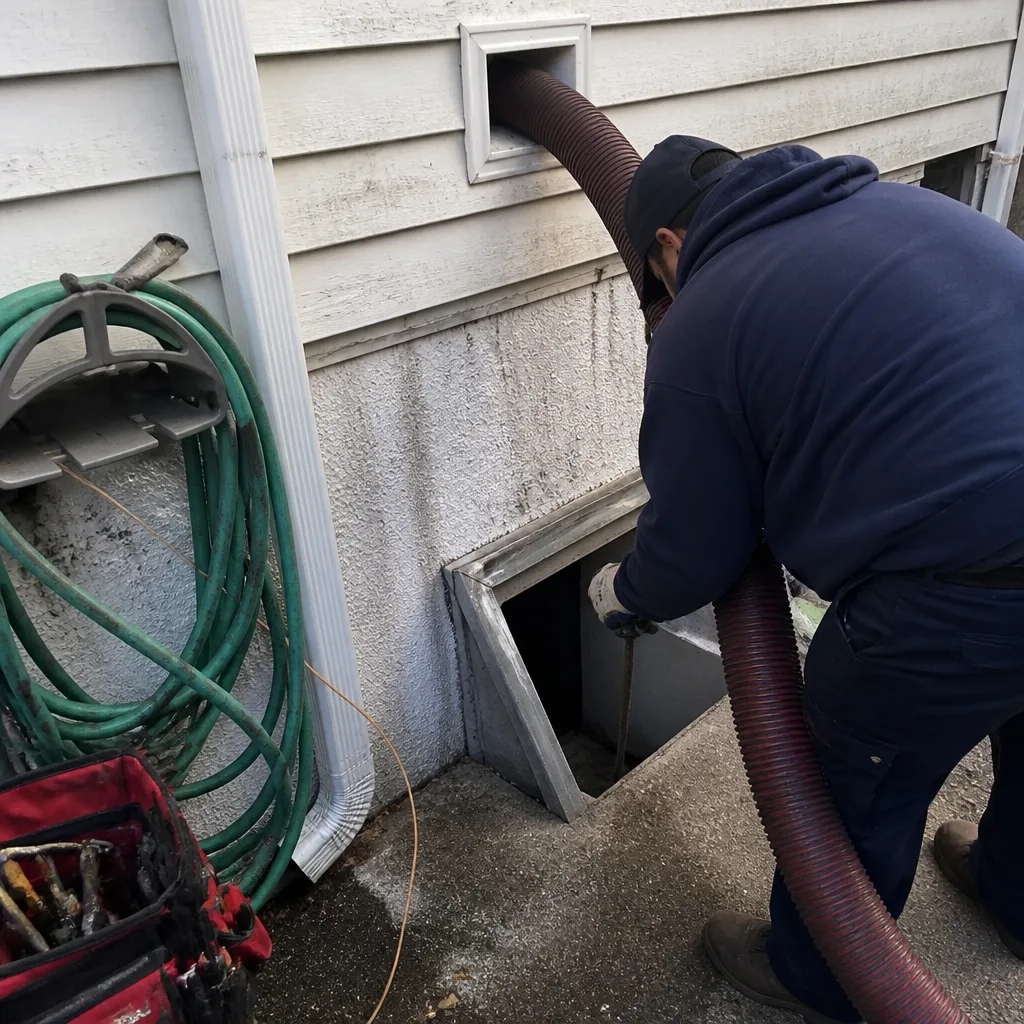 Before
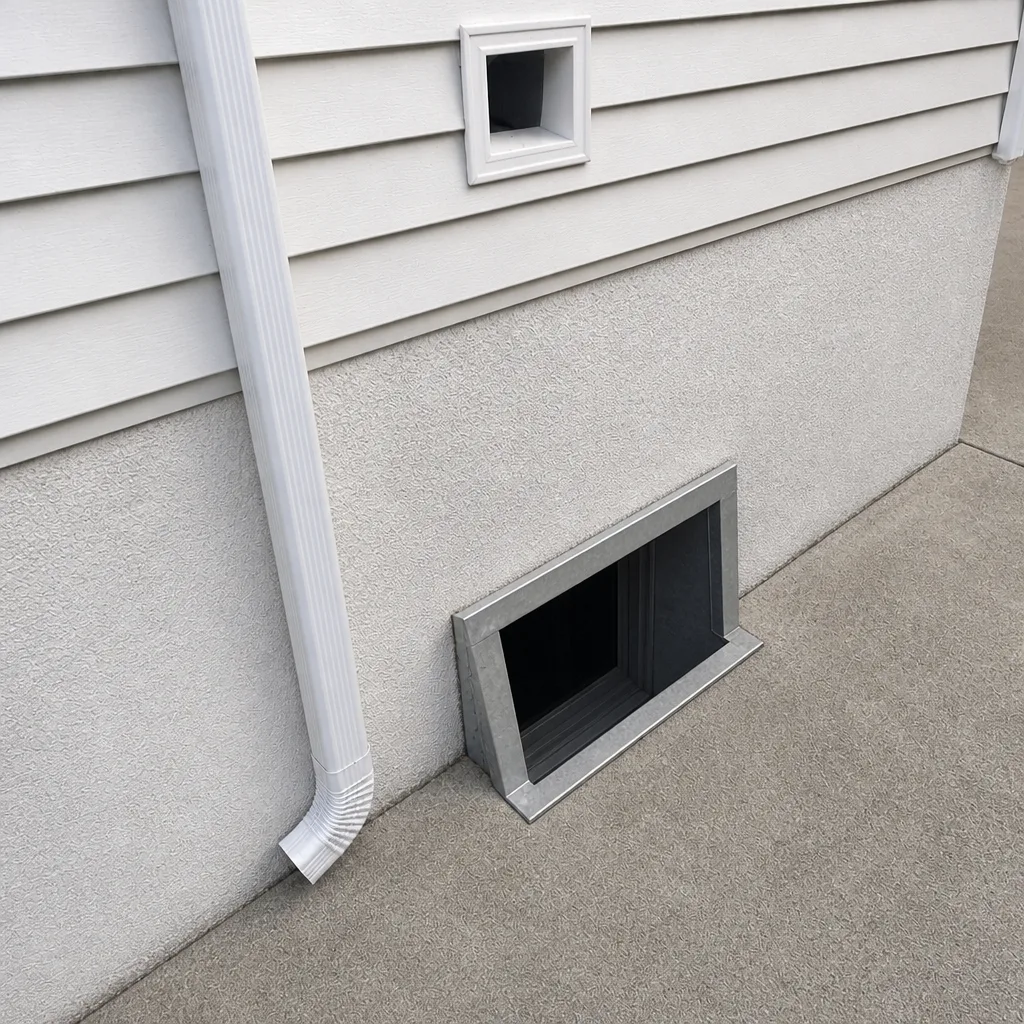 After
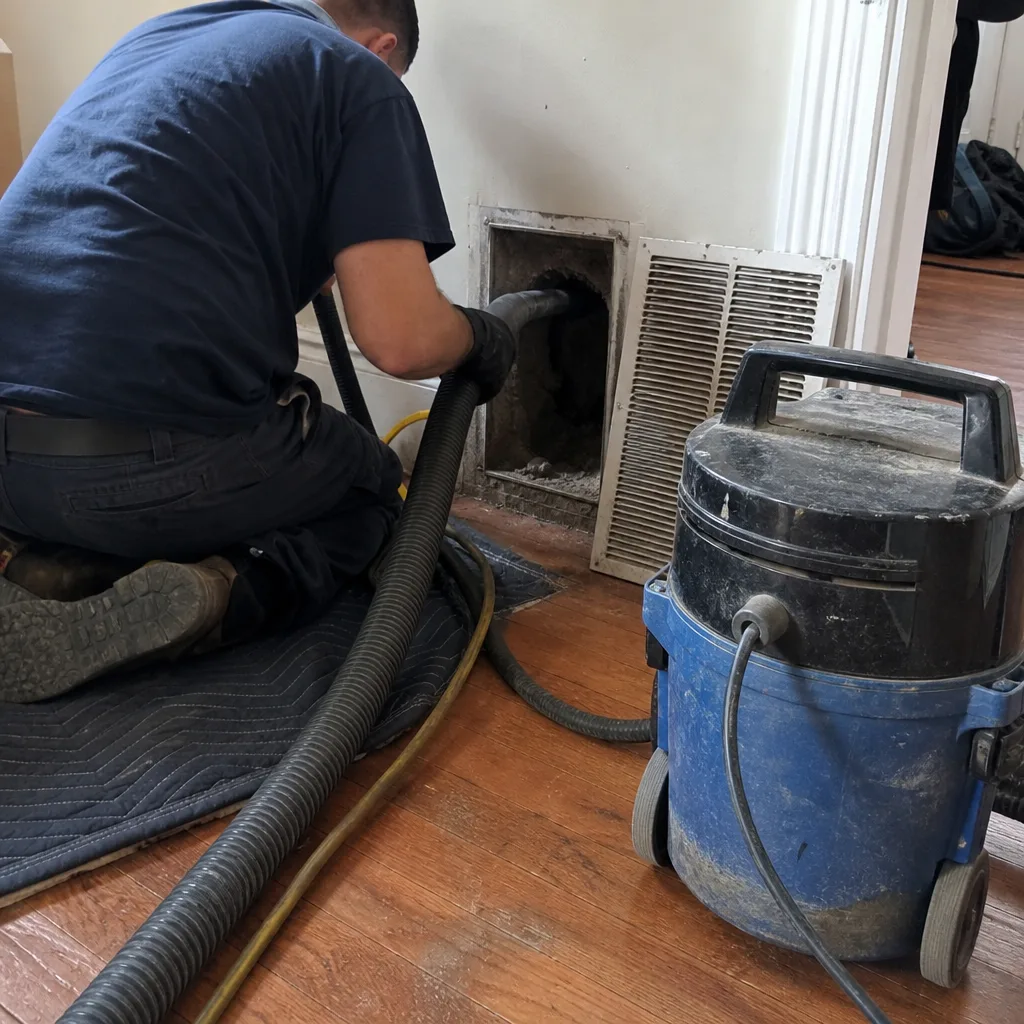 Before
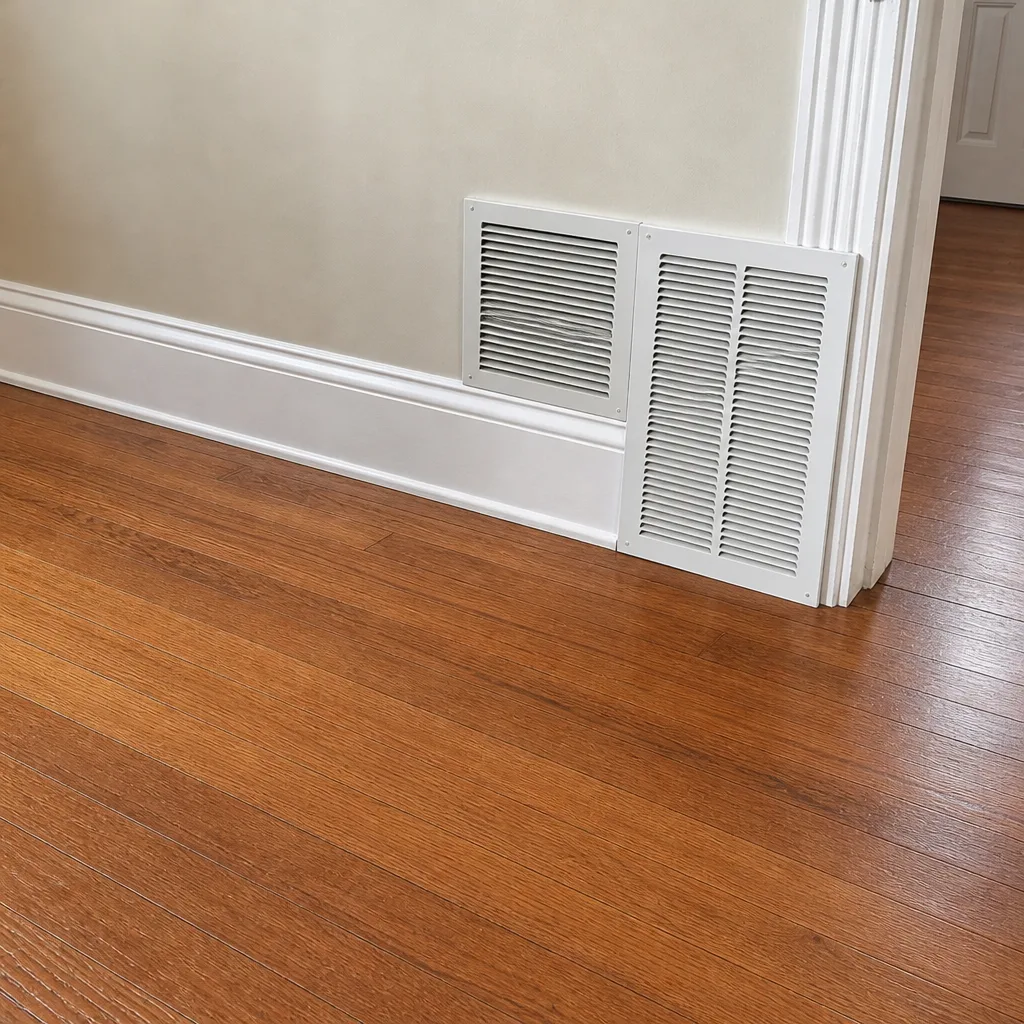 After
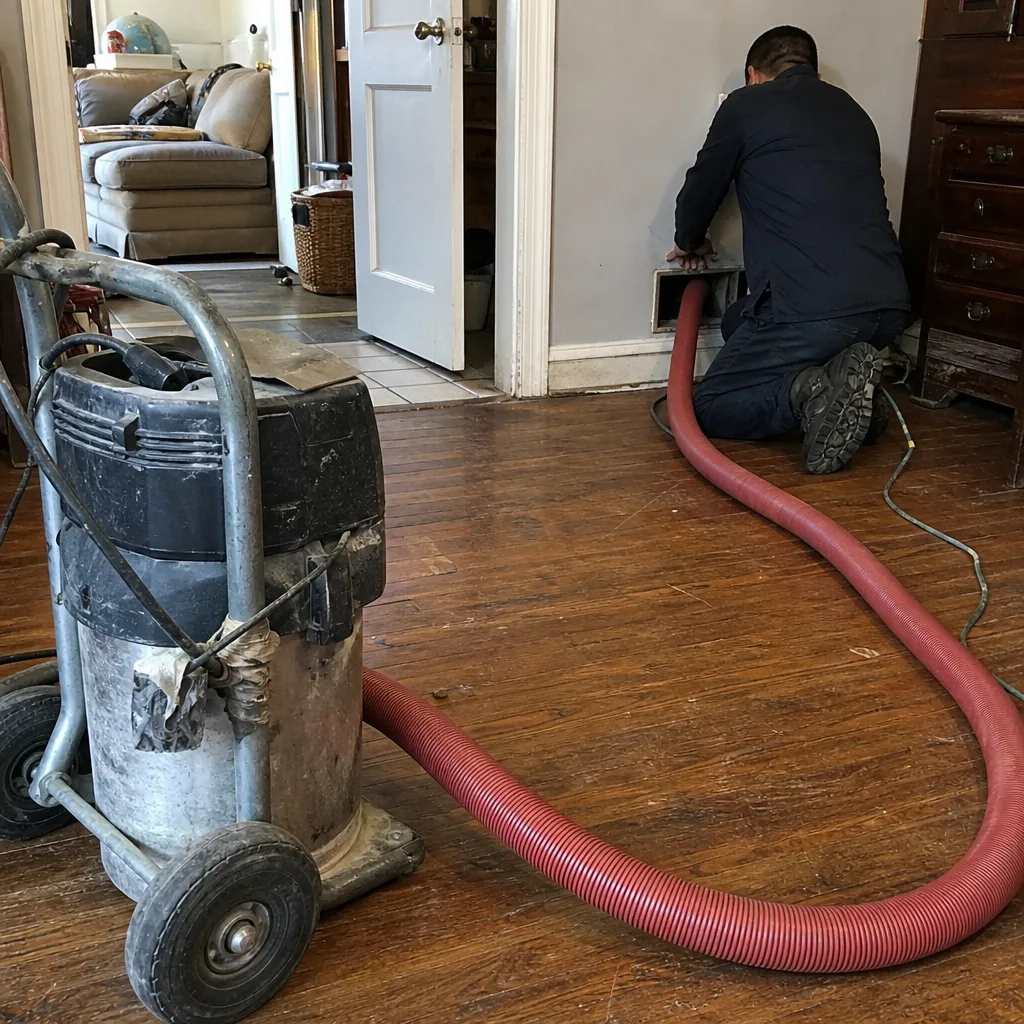 Before
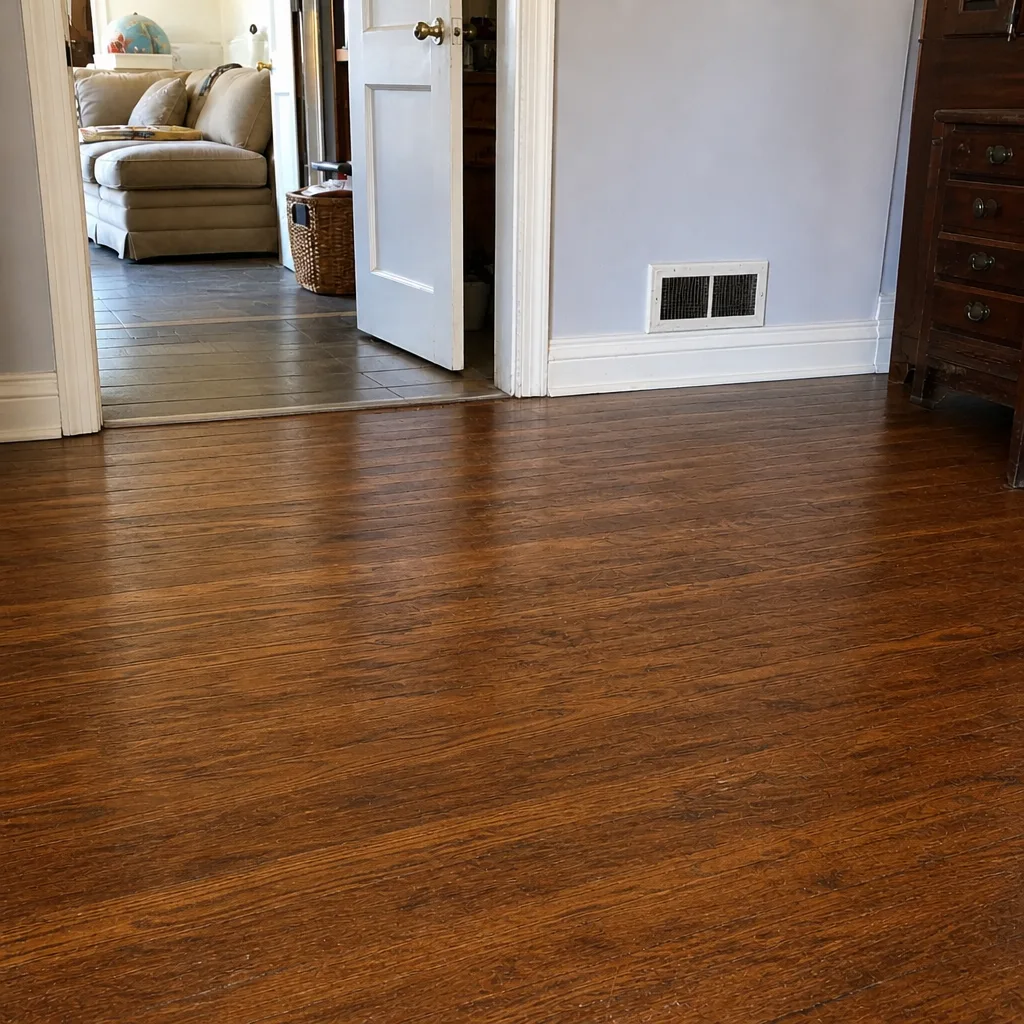 After
When to Call a Professional
Some things are a homeowner checklist, and some things are a job. Call a professional when you find soot or a dark film anywhere on the supply side, when you smell musty air or see visible growth at a register, when airflow between registers is clearly uneven, when a grille has pulled away from the ceiling and won’t reseal, or when a renovation, a flood, a new pet or an equipment replacement has reset the calendar. The same goes for a dryer vent that runs long or through a shared chase. Air Duct Cleaning Flatbush offers free estimates in Flatbush. Call (866) 937-8518. We answer 24/7. Fast dispatch from 7am to 7pm, Sunday through Friday. Our technicians have up to 14 years of experience, and we work with purpose-built equipment including Rotobrush and Nikro, contained extraction protocols using Abatement Technologies, and Honeywell and Aprilaire air-quality products for what comes after the cleaning. The written estimate sets the price for the job.
Frequently Asked Questions
Most Flatbush homes do well with an inspection once a year and full cleaning when the inspection shows it’s needed, which for many homes works out to every few years. The right interval depends on your filters, your pets, whether anyone smokes, whether the home has seen renovation, and whether the ducts have been sealed against leaks. Homes with pets, renovations or a history of moisture problems should be inspected annually. Homes with a clean record and good filtration can often go longer between cleanings and still stay ahead of the problem. Call (866) 937-8518 for an exact assessment. Estimates are free.
Duct cleaning addresses the ductwork: the returns, the supply branches and the trunk, where the air travels. HVAC cleaning addresses the equipment that moves and conditions the air: the air handler, the blower, and the evaporator coil. In a Flatbush home with a furnace and central air, both matter, and the order matters too. Cleaning ducts without addressing a soiled coil leaves the coil to re-contaminate the ducts. Our team handles both as part of one scope, and our HVAC cleaning guide walks through what the equipment-side work involves. Call (866) 937-8518 and we’ll scope the right work for your system.
Yes, because what’s in the ducts depends on what the system was just doing. In March, the heating season has just ended, so the deposits to look for are the ones heat and dry air produced, especially near the heat exchanger and the supply plenum. In April, the cooling season is starting, so the coil and the condensate drain are the priority. Inspecting in the wrong season means you check the wrong surfaces. The March and April windows line up with your equipment’s real cycle. If you’re not sure which window you’re in, call (866) 937-8518 and we’ll set the right inspection.
Air duct cleaning in Flatbush is priced per system based on the size of the home, the number of branches and returns, and the condition found at inspection, rather than by counting vents. That’s important, because per-vent pricing is where the bait-and-switch numbers start. We give you one flat price for the system before work begins, with contained extraction using Abatement Technologies equipment and before-and-after photos of your own ducts, so you can see what was removed. The written estimate sets the final price. Call (866) 937-8518 for a free estimate and an exact number for your home.
A very low quote is usually a light cleaning of what you can see, using a shop vac or consumer-grade equipment, without containment. That means the deepest part of the system, the return plenum and trunk, isn’t actually cleaned, and the debris that is loosened can end up back in your living space. Purpose-built equipment like Rotobrush and Nikro, plus negative-air containment, is what makes a full-system cleaning possible. It’s also why the honest quote is higher than the teaser. If a quote looks too low to cover the system, it almost always is. Call (866) 937-8518 for a straightforward estimate.
Ask for before-and-after photos of your own duct system, and ask what scope the cleaning covered: returns, supply branches, trunk, air handler, coil. A specialist can show you what came out and where. Contained extraction is also a visible process, because the equipment stays in place during the cleaning rather than being moved from vent to vent. On site, that’s the difference between a real clean and a surface wipe. If you want a baseline for comparison, we can look at photos from an earlier inspection or your own log. Call (866) 937-8518 to schedule and see the scope for yourself.
The Bottom Line
A duct maintenance checklist works when it’s tied to the actual cycle of your equipment, not a quarterly habit. Inspect in March to catch the post-heating deposits near the heat exchanger and supply plenum. Inspect in April to deal with the coil and condensate drain before cooling starts. Do a visual pass at your registers between those checkpoints, and treat a renovation, a new pet, a flood or a system replacement as a reason to inspect right away. Keep a log with photos so a trend shows up before it becomes an expense. And keep the dryer vent on the same calendar, because it’s a safety item, not a comfort one. If you want a specialist to look at the whole system, Air Duct Cleaning Flatbush handles the scope from cleaning through sealing and air-quality follow-up.
Ready to put this checklist to work? Call Air Duct Cleaning Flatbush at (866) 937-8518 for a free estimate. We answer 24/7, with fast dispatch from 7am to 7pm, Sunday through Friday. We’ll look at your whole system, tell you what the inspection shows, and give you one flat price per system before any work starts.
Written by the team at Air Duct Cleaning Flatbush.