
Last updated November 22, 2026
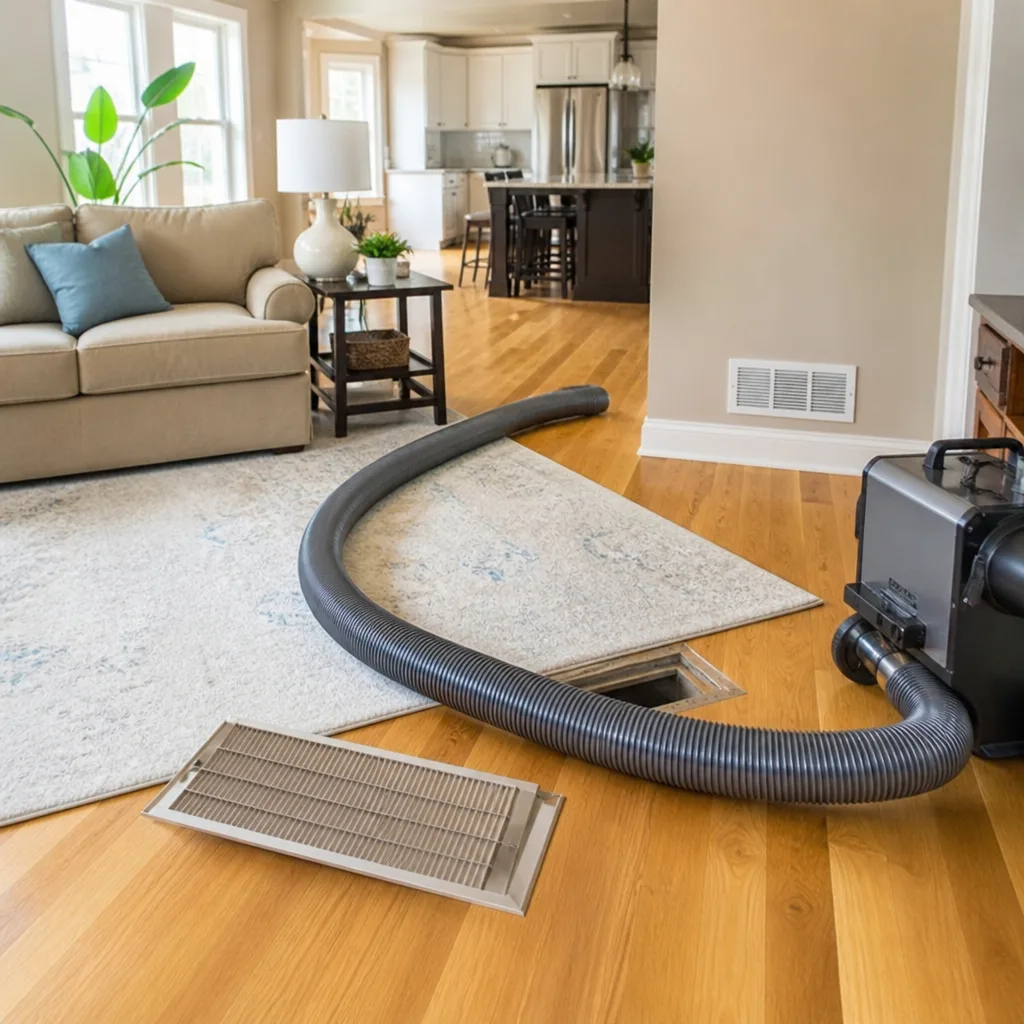 Whole-home duct cleaning
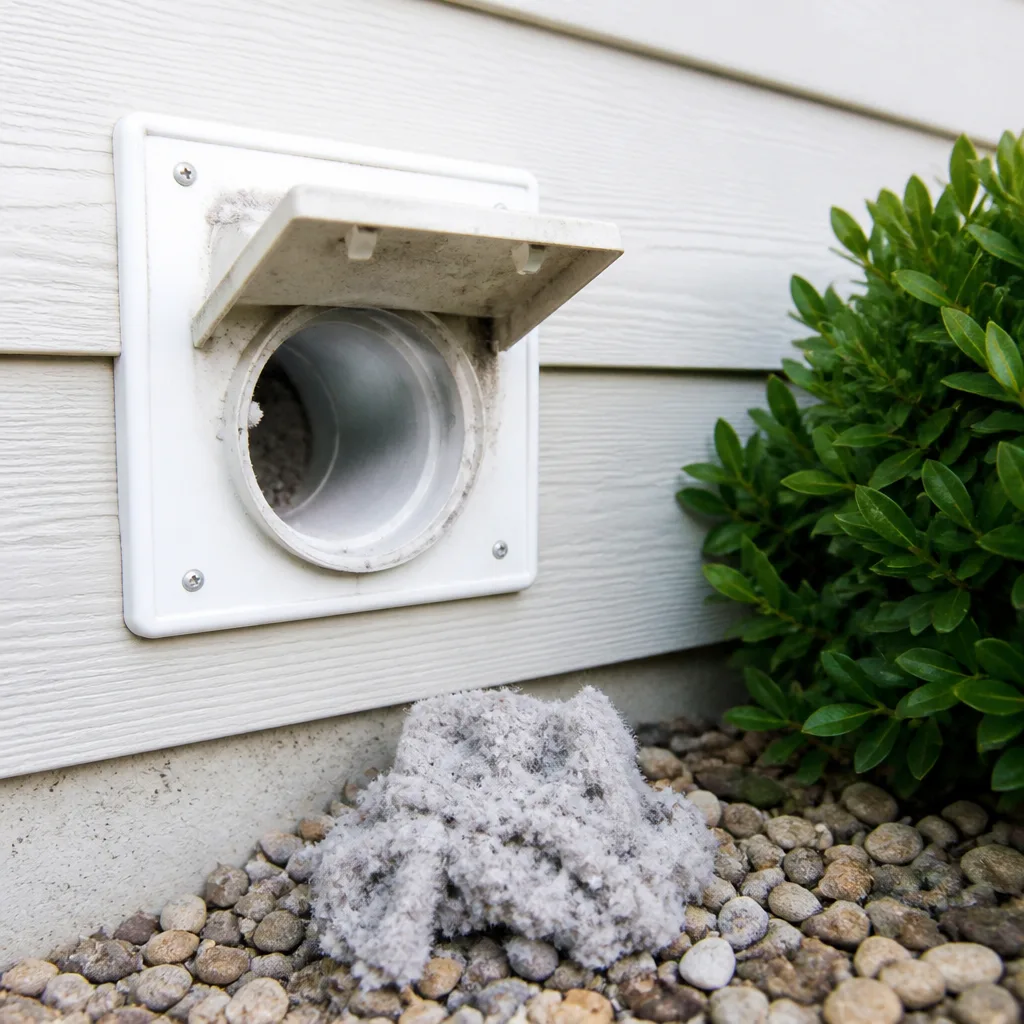 Dryer vent cleaning
 Camera inspection
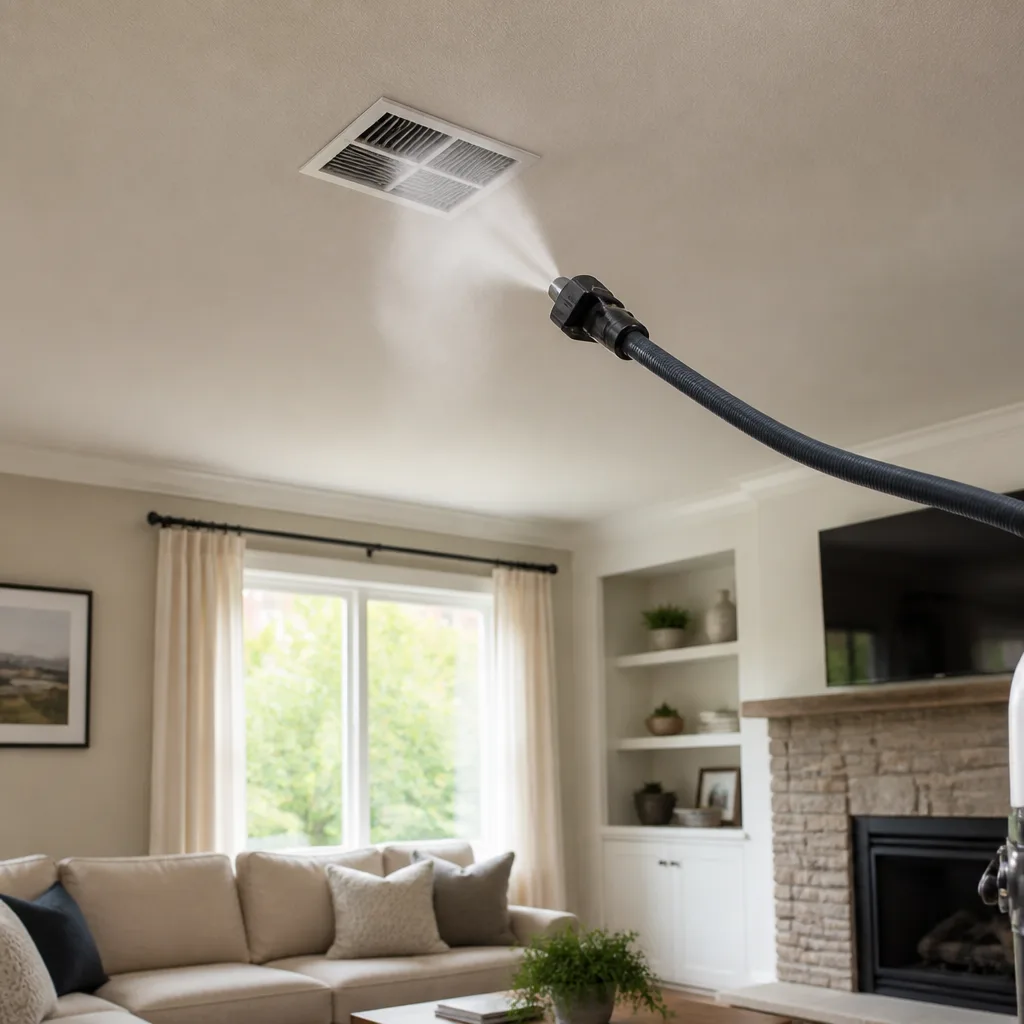 Sanitizing & deodorizing
Whole-system duct and dryer vent check with before-and-after photos - you see exactly what came out of your vents
That "$99 whole-house special" is a bait ad - the real number appears once they are in your hallway, or the "clean" is a shop-vac at the register. We photograph the inside of your ducts before and after instead.
Air Duct Cleaning Warning Signs: A Flatbush Homeowner’s Reference Guide
Visible dust at a supply register is a late-stage signal. By the time particles are escaping at the grille, the duct lining has been shedding debris into your airstream for weeks, and the buildup behind that grille is already deep enough to reach the register face. Most warning-sign lists stop at “dusty house” and “musty smell,” which tells you nothing you didn’t already notice. This guide ties each sign to the mechanical cause behind it, so you can walk through your Flatbush apartment, duplex or rowhouse with a flashlight and a tissue and make a grounded assessment of your own ductwork before anyone knocks on your door with a recommendation.
Quick Answer
The reliable warning signs of dirty or failing ductwork are register-level dust streaks pointing away from the grille, uneven airflow between rooms, longer heating and cooling runtimes, and odors that change with the season or the system cycle. In Flatbush’s prewar co-ops, three-family houses and converted brownstones, short duct runs and shared chases mean a single compromised run can affect several rooms at once, so the pattern of the signs matters more than any one of them.
Styles & brands we work with
- Whole-home duct cleaning
- Dryer vent cleaning
- Camera inspection
- Sanitizing & deodorizing
Table of Contents
- What Your Registers Are Telling You
- Reading Dust Color and Residue Type
- The Tissue Test: Measuring Airflow Asymmetry
- HVAC Performance Signals You Might Misread
- Odor Diagnostics: Must, Burning Dust, and Off-Gassing
- Post-Event Triggers in Flatbush Housing
- When to Call a Professional
- Frequently Asked Questions
What Your Registers Are Telling You
A supply register is the last thing between your duct system and your lungs, and it is also the most honest diagnostic surface in the house. Dust that settles evenly on furniture is ambient house dust. Dust that leaves a directed pattern on the register louvres, fanning outward from the gaps, is being pushed there by the airstream itself. That distinction matters: one is a housekeeping question, the other is a duct condition.
To read a register properly, look at three things in sequence:
- The louvre faces. Tilt a flashlight across the vanes rather than straight at them. Directional streaks appear as lines trailing from the gaps, showing the exact direction of discharge.
- The wall or ceiling around the grille. A soft halo of dust around the perimeter, wider at the top than the bottom, means particles are escaping past a poorly seated grille or a gap between the boot and the drywall.
- The grille screws and the frame. Dust packed into the screw slots and along the inner frame edge is old buildup that no surface wipe has ever reached.
In Flatbush’s older apartment stock, registers are often original steel grilles set into plaster, and the gap where the boot meets the wall has usually opened up over time. That gap lets unfiltered attic or chase air bypass the filter entirely and enter the room alongside conditioned air. When we inspect a system, we check every register in the unit, not just the visible ones, because the worst offenders are usually behind furniture or above a closet door. If the streaks are consistent across every supply but the returns are clean, the problem sits upstream of the registers. If one register is dramatically worse than the others, the issue is localized to that run and likely includes a breach in the duct itself. Closing those breaches is where air duct cleaning Flatbush work and sealing overlap, since cleaning a leaking duct without sealing it just re-contaminates the space.
Reading Dust Color and Residue Type
Dust color is a diagnostic short cut most guides ignore. Gray, dry particulate is ordinary household soil: skin cells, textile fibers, street grit. Black greasy residue points to a different mechanism, usually cooking vapor or oil-based smoke that has condensed on cool duct surfaces and then collected particles. White, chalky mineral deposits are the least common and the most misunderstood: they usually indicate moisture has been present long enough to leave mineral residue behind, often near a coil, a humidifier connection, or a condensate problem.
Each residue type calls for a different response:
- Gray dry particulate: standard full-system extraction, plus a filter check. Often resolved by cleaning and upgrading filtration together.
- Black greasy film: needs degreasing and attention to the kitchen exhaust path. Cleaning alone won’t stop the source if cooking vapor is still being drawn into the return.
- White mineral residue: treat as a moisture investigation first. Cleaning while a leak is active simply resets the clock. Find the water, then clean.
- Rust-colored speckling: condensation at a metal fitting or a pinhole in a condensate line. Worth a look at the equipment itself.
Flatbush kitchens are frequently close to return grilles in converted layouts, and cooking vapor migrates into the return path more easily than people expect. When we see greasy film in the ducts of a Flatbush home, we also look at the range hood and whether the return is pulling air from the kitchen zone. Honeywell and Aprilaire filtration products get discussed at that point, because the fix is usually a combination of cleaning, sealing, and filtration rather than cleaning alone.
The Tissue Test: Measuring Airflow Asymmetry
Airflow asymmetry is the single most useful signal a homeowner can measure without tools. Rooms that feel “stuffy” while others feel “blasted” usually have a restricted run, a collapsed flex duct, or a damper stuck partly closed. The tissue test makes that visible in about five minutes.
- Turn the system to fan-only mode so the blower runs without heating or cooling.
- Hold a single square of tissue paper flat against each supply register, one at a time, and note whether it sticks, flutters, or falls.
- Repeat at each return grille. Returns should pull firmly; a weak return often pairs with a weak supply on the same run.
- Write down the result for each room. The pattern, not the individual reading, is what matters.
A supply that can’t hold the tissue while its neighbor holds it tight indicates a restriction between the two. In Flatbush’s three-family houses, where a single trunk often serves a whole floor, one crushed run in a basement ceiling can starve three rooms above it. We’ve seen this most often after a renovation where a contractor rerouted a duct to make room for framing and left a sharp bend behind the drywall. Sharp bends reduce flow far more than their size suggests. If a room has never heated well since you moved in, don’t assume the room “just runs cold.” Test it. The result tells you whether you’re dealing with a duct problem or a room problem, and the two get very different fixes.
HVAC Performance Signals You Might Misread
Three HVAC behaviors get blamed on the equipment when the ducts are the actual cause: longer runtime, uneven temperatures room to room, and short-cycling. All three are downstream effects of resistance in the air path. When the blower has to push against a restricted or partially blocked duct, it moves less air, the system takes longer to satisfy the thermostat, and it may cycle more often as it strains to catch up.
Here’s how to tell duct restriction from a failing unit:
- Longer runtime: if the system runs longer than it used to but the rooms do eventually reach temperature, restriction is the likelier cause. A failing compressor usually shows the opposite, running long and getting nowhere.
- Uneven temperatures: measure with a cheap thermometer at three heights in each room. A consistent 4 to 6 degree spread between rooms that share a zone points to duct distribution, not the equipment.
- Short-cycling: this can be duct-related when the thermostat sits near a supply and satisfies early. Check whether the thermostat location is being blasted by a nearby register before assuming a control problem.
One more signal: a higher energy bill with no change in habits. Restricted airflow forces the system to work harder for the same result, and that shows up on the bill before it shows up as a breakdown. In Flatbush co-ops, the shared mechanical chase sometimes means your airflow is affected by work in a neighboring unit, which is why a full walkthrough matters more than a single-room inspection. When a customer tells us their apartment “never got cold last summer,” the first thing we do is map the airflow path rather than the equipment. You can read more about what a full-system approach involves in our HVAC cleaning overview, which covers the equipment side of the same investigation.
Odor Diagnostics: Must, Burning Dust, and Off-Gassing
Smell is the hardest warning sign to interpret, because the same three-letter description (“musty”) covers three different problems. Distinguish them by timing and character.
- Musty, earthy, mold-like: appears when the blower runs and fades when it stops. That’s biological growth, usually on a damp coil or in a duct run with a moisture source. The odor is amplified because the growth sits in the airstream.
- Burning dust: appears only on the first heat cycle of the season and fades after a few minutes. That’s accumulated dust on the heat exchanger burning off. It’s normal for one cycle; if it returns every time the heat comes on, the buildup is heavier than it should be.
- Chemical or plastic off-gassing: a sharp, slightly sweet or solvent-like smell that doesn’t fade. This often traces to duct liner degradation or a failing component inside the system. Don’t assume cleaning fixes it; get it inspected.
Flatbush apartment buildings heat unevenly, and the first cold snap often brings a flood of “burning dust” complaints that resolve in a few minutes. The distinction is the pattern. If the smell persists across several heat cycles or intensifies, treat it as a real finding. If it’s genuinely musty when the fan runs, that’s the highest-priority odor on this list because it means growth is being distributed to every room the system serves. Air quality sanitizing is the appropriate response, and it belongs after cleaning and after the moisture source is addressed, not instead of doing either.
Post-Event Triggers in Flatbush Housing
Some duct problems start on a specific date. In Flatbush’s older building stock, three events account for a large share of the sudden-onset duct complaints we encounter, and each calls for a different protocol.
Basement flooding. After water enters a basement where ducts run, the ducts themselves may not be wet, but the surrounding air is humid enough to load the system with moisture. The protocol: dry the space first, then inspect the ducts for standing water or visible condensation, then clean and sanitize. Cleaning before drying just leaves moisture behind the film.
A neighboring unit renovation. Sanding, demolition, and drywall work send fine particulate into shared returns, especially in buildings with continuous chases. The protocol: change filters, run the system for a day, then inspect the registers. If a single chase serves multiple units, the affected unit may need its own cleaning regardless of what the neighbor is doing.
Rodent intrusion. Droppings, nesting material, and chewed insulation inside a duct are a health issue and a mechanical one. The protocol: remove the material first with proper containment, sanitize thoroughly, then seal the entry point. If the entry point isn’t closed, the problem recurs. This is where a dryer vent cleaning assessment often pairs with duct work, because the same exterior penetrations that let rodents in are often shared with vent terminations.
We use Abatement Technologies negative-air containment on any job where contamination is heavy, so debris that gets loosened during cleaning is captured instead of pushed into the room. That’s especially important after a flood or intrusion, when the debris carries more than just dust.
How Full-System Cleaning Actually Works
Understanding the process helps you tell a real cleaning from a surface wipe. A genuine full-system service starts with containment: negative pressure at the equipment, sealed registers where needed, and the blower pulled or isolated so debris can’t travel into the living space. Only then does the extraction begin.
- Inspection and mapping. Every register, return, and accessible run gets checked and photographed before anything is touched.
- Containment setup. Negative-air equipment holds the working area under pressure so loosened debris has one direction to travel.
- Source cleaning. Purpose-built extraction tools match the brush or whip to the duct type, working from the return toward the supply or the reverse depending on the layout.
- Coil and plenum cleaning. The coil and the plenum around the air handler are part of the system and get attention accordingly.
- Sanitizing where indicated. Only after removal, and only when there’s a biological or moisture finding that calls for it.
- Sealing and verification. Gaps at boots, joints, and chase penetrations get closed, and airflow gets re-tested against the baseline taken at the start.
The difference between this and a quick “blow out” is the same as the difference between sweeping a floor and washing it: both move the visible dirt, only one removes what’s left behind. Our technicians use Rotobrush equipment because it’s built for duct interiors rather than repurposed from general shop use, and they put eyes on the inside of the system with a camera before and after rather than asking you to take it on faith. If you’ve been quoted a price but couldn’t get a straight answer about scope, that’s the question to ask before you book.
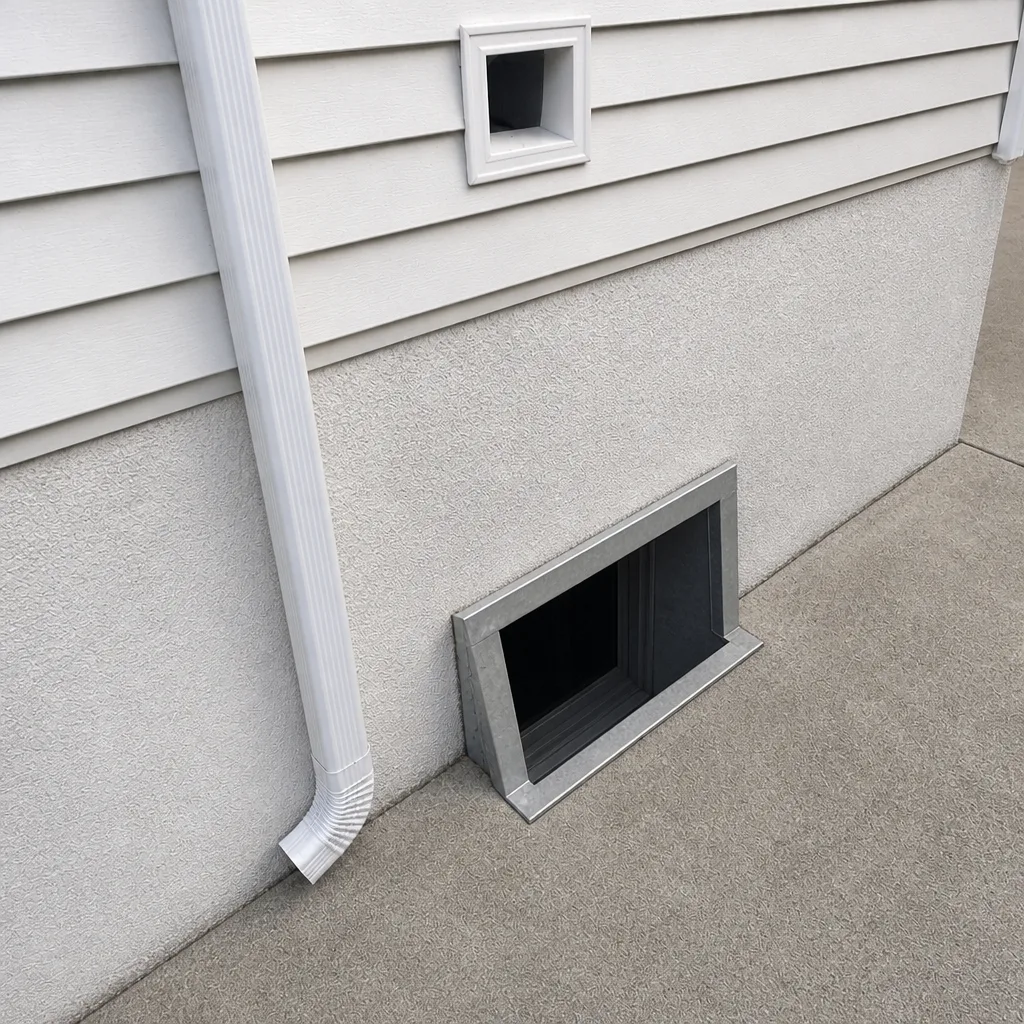
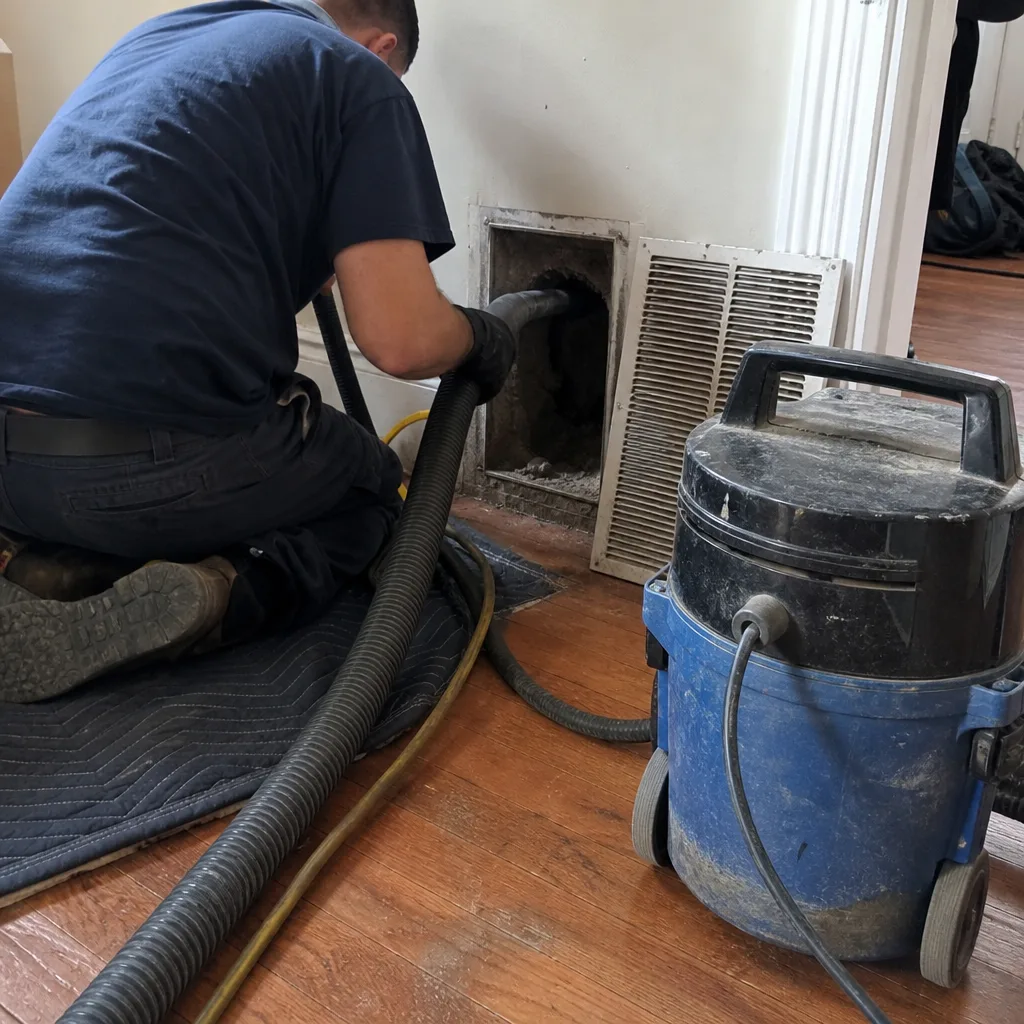
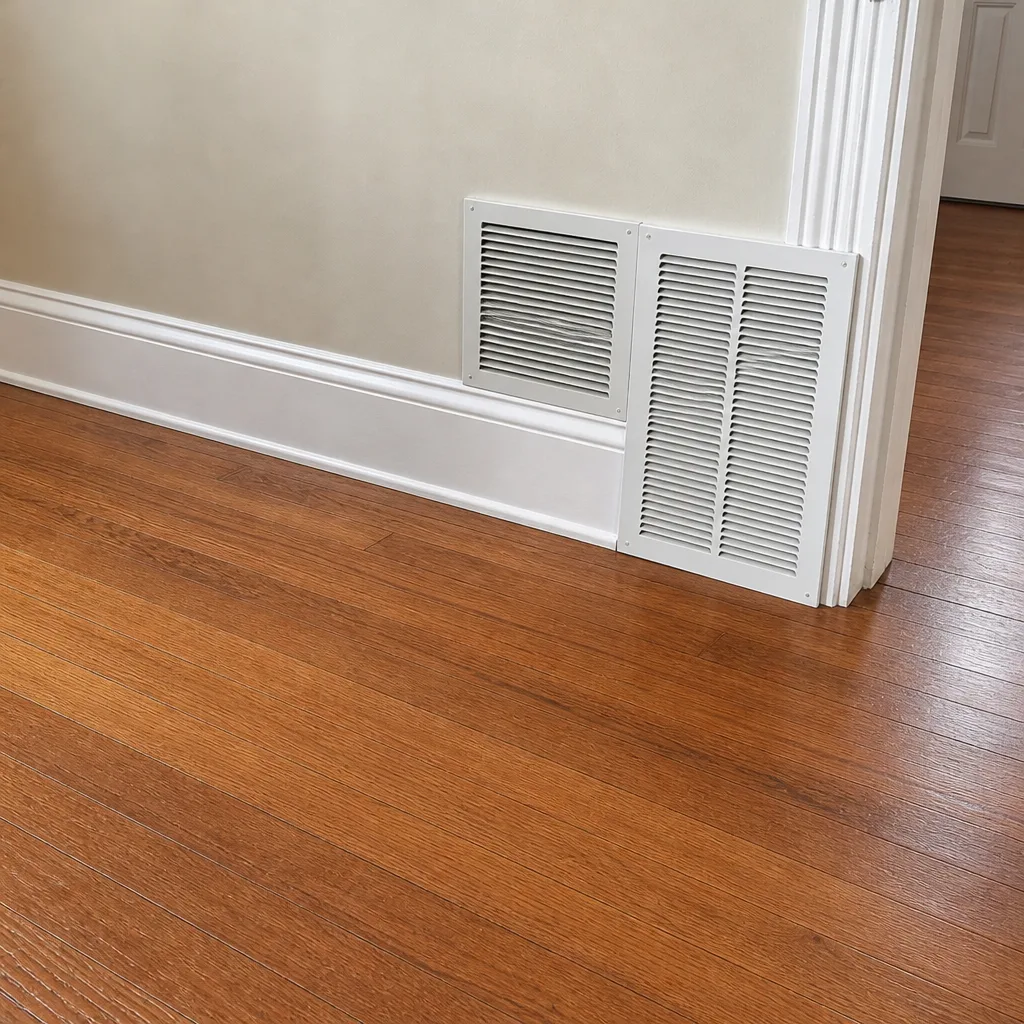
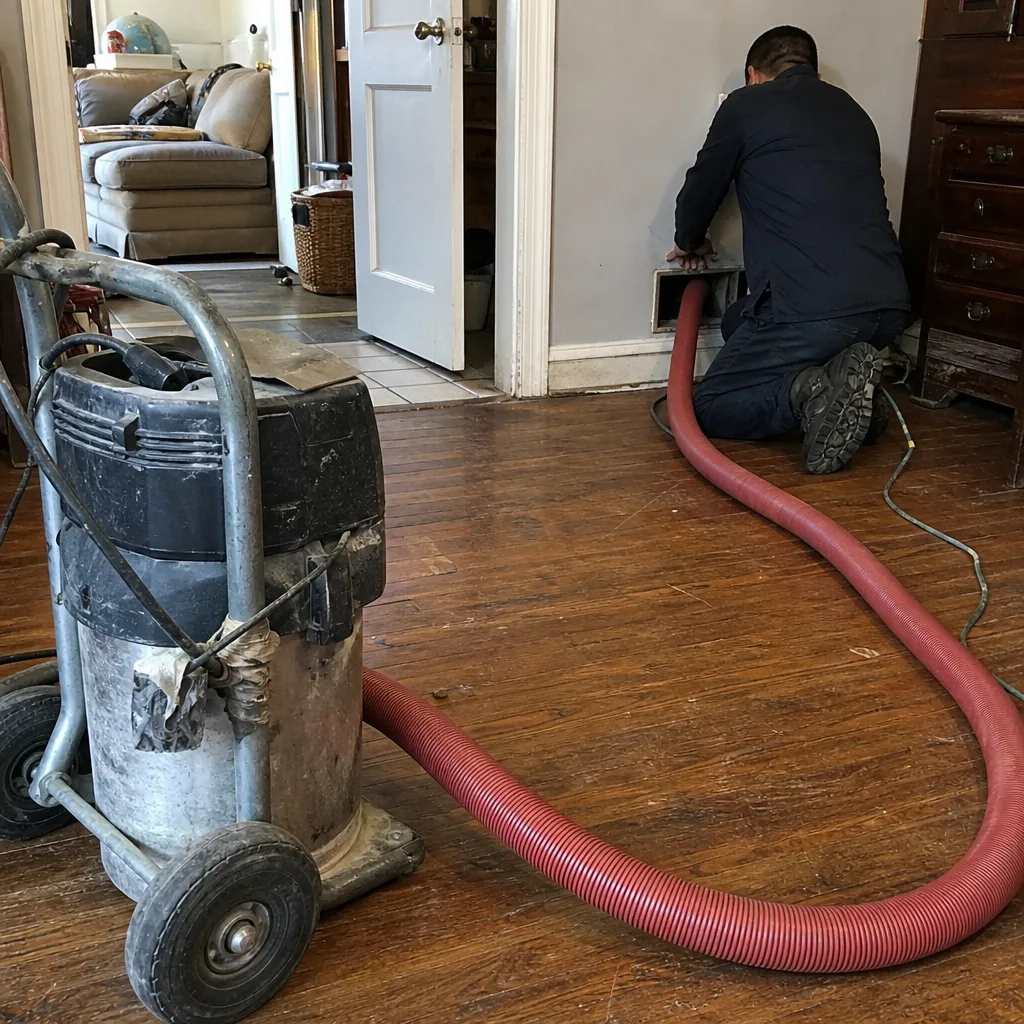
See the difference
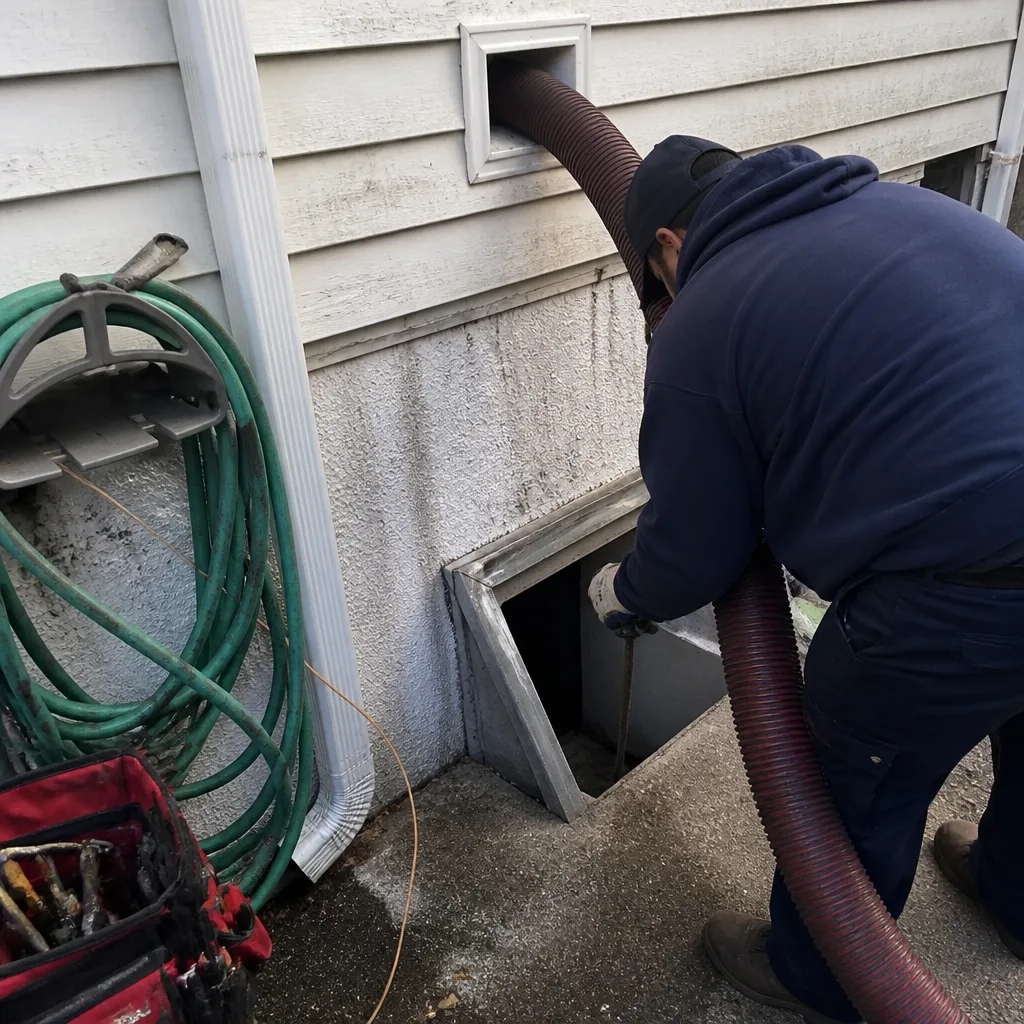 Before
 After
 Before
 After
 Before
 After
How Often Does It Actually Need Doing?
The honest answer is that frequency depends on the home, not a calendar. A sealed system in a newer building may need attention every several years. An older Flatbush unit with pets, a smoker in the building, recent renovation, or a history of moisture may need it sooner and more often. Treat each of the following as a trigger to reassess rather than a fixed schedule:
- Visible or measurable dust at the registers that returns within a few weeks of cleaning
- A renovation inside the unit or an adjacent one since the last cleaning
- Any water event in the basement, mechanical closet, or ceiling above a duct run
- New allergy or respiratory symptoms that track with time spent at home
- A change in the sound or airflow of the system that hasn’t been explained
We don’t recommend cleaning for its own sake. When a system is clean and sealed, the right answer is often “not yet.” That’s a conversation worth having in person, with the registers in front of you. If you want to know whether Flatbush’s seasons are making your ducts worse, the closest thing to a universal rule is this: every time the heating season starts, the first cycle tells you how much dust collected over the summer. If that first burn-off is heavy or persistent, take it as a signal to look deeper. You can read more about the process and what we check in our guide to air duct cleaning in Flatbush.
Common Mistakes to Avoid
- Judging by the returns only. A clean return grille tells you nothing about the supply runs, where the dust actually gets deposited. Check both, and check the ones you can’t easily see.
- Wiping a register and calling it done. A surface wipe removes the dust on the louvres and hides the streaks for a few weeks. The buildup behind the grille is untouched and starts showing again almost immediately.
- Cleaning before fixing a moisture problem. If a leak or condensation issue is active, cleaning resets the clock and nothing else. Find the water first, then clean, then seal.
- Assuming a “whole house” quote covers the whole system. In Flatbush buildings with shared chases and multiple zones, scope needs to be defined in writing, room by room, before work begins.
- Ignoring a single room that runs hot or cold. One odd room is often the easiest diagnostic you’ll ever get. It tells you exactly which run to inspect.
- Skipping the filter entirely. A clean system with a clogged or wrong-spec filter re-dirties in weeks. Filtration is part of the fix, not an afterthought.
- Taking a phone quote as a final price. Duct layouts vary too much inside Flatbush’s building stock for a price quoted without an inspection to hold. Ask what the written estimate covers.
When to Call a Professional
Call a professional when you can see directional dust streaks at more than one register, when airflow is uneven across rooms that share a zone, when an odor appears every time the blower runs, or when any of the three post-event triggers, flooding, adjacent renovation, or rodent intrusion, has happened since the last inspection. Call immediately if the smell is chemical rather than dusty, because duct liner or component failure isn’t solved by cleaning.
Air Duct Cleaning Flatbush offers free estimates in Flatbush. The estimate is set per job and the written estimate fixes the final price before any work begins, so you know the scope before anyone starts. Call (866) 937-8518. We answer 24/7. Fast dispatch from 7am to 7pm, Sunday through Friday.
Frequently Asked Questions
You need cleaning when the signs point to the ducts rather than the room: directional dust at multiple registers, uneven airflow confirmed by a tissue test, persistent musty odor when the blower runs, or a recent flood, renovation, or rodent event. A single dusty patch or an occasional first-cycle burn-off is not enough on its own. If you’re unsure, a walkthrough settles it quickly. Call (866) 937-8518 for an exact quote, since estimates are free.
A typical full-system cleaning in Flatbush is estimated per job rather than per vent, and the written estimate sets the final price. Scope varies with the number of registers, the layout of the building, and whether sealing or sanitizing is needed alongside cleaning. We don’t quote a per-vent price and we don’t run teaser offers, because neither tells you what the job actually involves. Call (866) 937-8518 for a free estimate, and you’ll have a written price before any work starts.
Cheap quotes are usually cheap for a reason: a single pass with a shop vacuum, no containment, no access to the far runs, and no camera verification. The price looks low until the invoice arrives with line items that weren’t in the quote. Ask any company three questions before booking: what equipment is used inside the duct, whether negative-air containment is part of the job, and whether you get photos of the interior before and after. Call (866) 937-8518 for a quote that covers the full system.
You know because you saw it: interior photos before and after, airflow re-tested at the same registers, and a walkthrough of what was found. Any company that won’t put a camera inside the duct and show you the result is asking for your trust without evidence. Our technicians document each job that way, and the before-and-after photos belong to you. Call (866) 937-8518 to schedule an inspection and see the system for yourself.
No, but it’s the most likely culprit when the smell appears only while the blower is running. Musty odors that track with system operation usually point to biological growth somewhere in the air path, often a damp coil rather than the ducts themselves. A chemical or solvent smell is a different finding and needs inspection rather than cleaning. Call (866) 937-8518 to have the source located before you decide on treatment.
You need sealing if the inspection finds gaps at boots, joints, or chase penetrations, because a leaking duct pulls unfiltered air in and re-contaminates the system after cleaning. Cleaning alone on a leaky system rarely holds. In Flatbush’s older buildings, boot-to-wall gaps are common enough that sealing is often part of the same visit. Call (866) 937-8518 and the estimate will spell out whether duct repair and sealing is part of your scope or not.
It’s related to ductwork, but not the HVAC ducts. A dryer that needs two cycles to dry a load is usually pushing against a clogged dryer vent, which is a fire-safety concern rather than just a convenience one. Lint accumulation in the vent line restricts airflow and raises the heat in the duct. It’s a separate service from HVAC duct cleaning and worth addressing on its own. Call (866) 937-8518 to book it.
The Bottom Line
The warning signs that matter are the ones you can see, measure, or smell at a specific register and tie to a mechanical cause. Directional dust streaks, uneven airflow, longer runtimes, and odors that follow the blower all point to the duct system rather than the room. Flatbush’s older co-ops, three-family houses, and converted brownstones amplify all of this because short runs and shared chases spread one problem across several rooms. Walk your home with a flashlight and a tissue before anyone recommends anything. What you find will tell you more than a sales sheet will. And when the signs are there, a proper full-system cleaning with real containment and camera verification is the answer. Call (866) 937-8518. We answer 24/7. Fast dispatch from 7am to 7pm, Sunday through Friday.
For an in-person assessment anywhere in Flatbush, reach us at (866) 937-8518 for a free estimate. One flat price per system, agreed before work starts, with before-and-after photos of your own ducts.
Written by the team at Air Duct Cleaning Flatbush.