
Last updated November 22, 2026
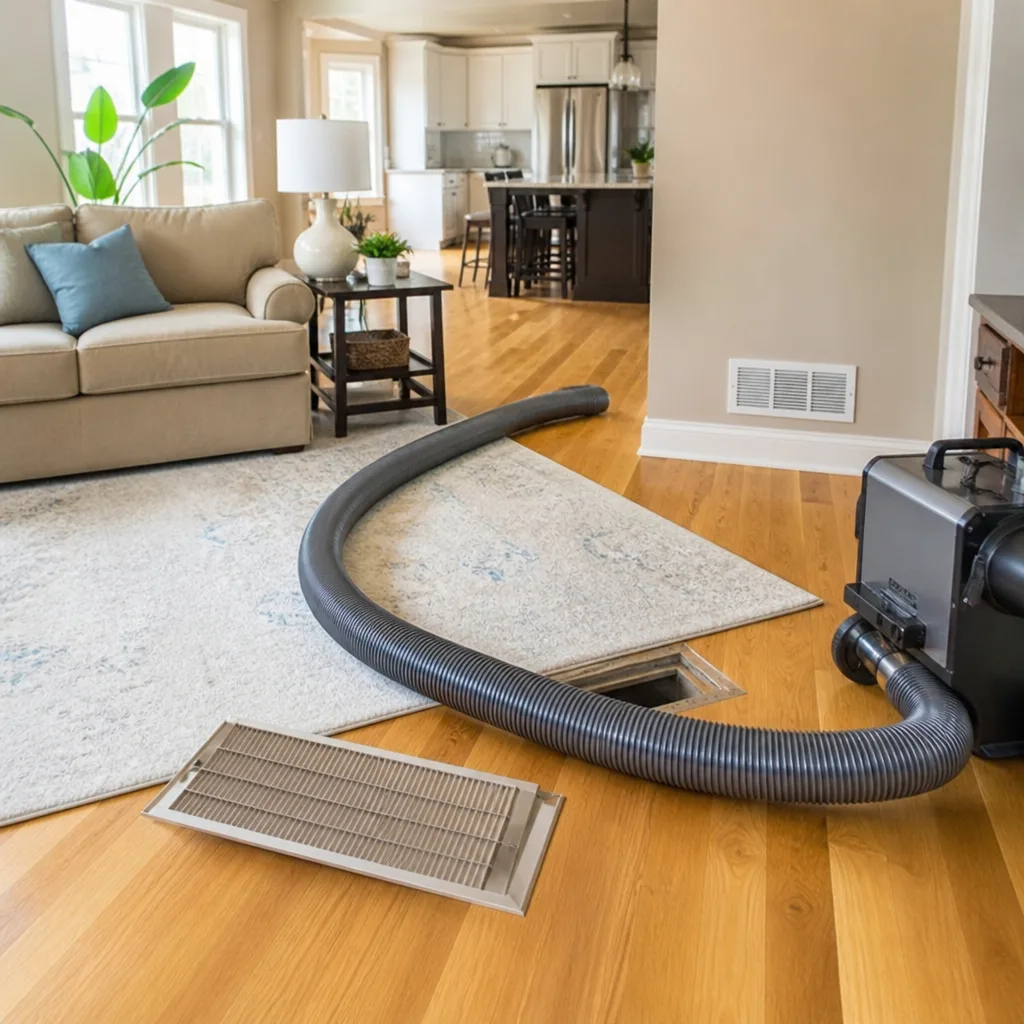 Whole-home duct cleaning
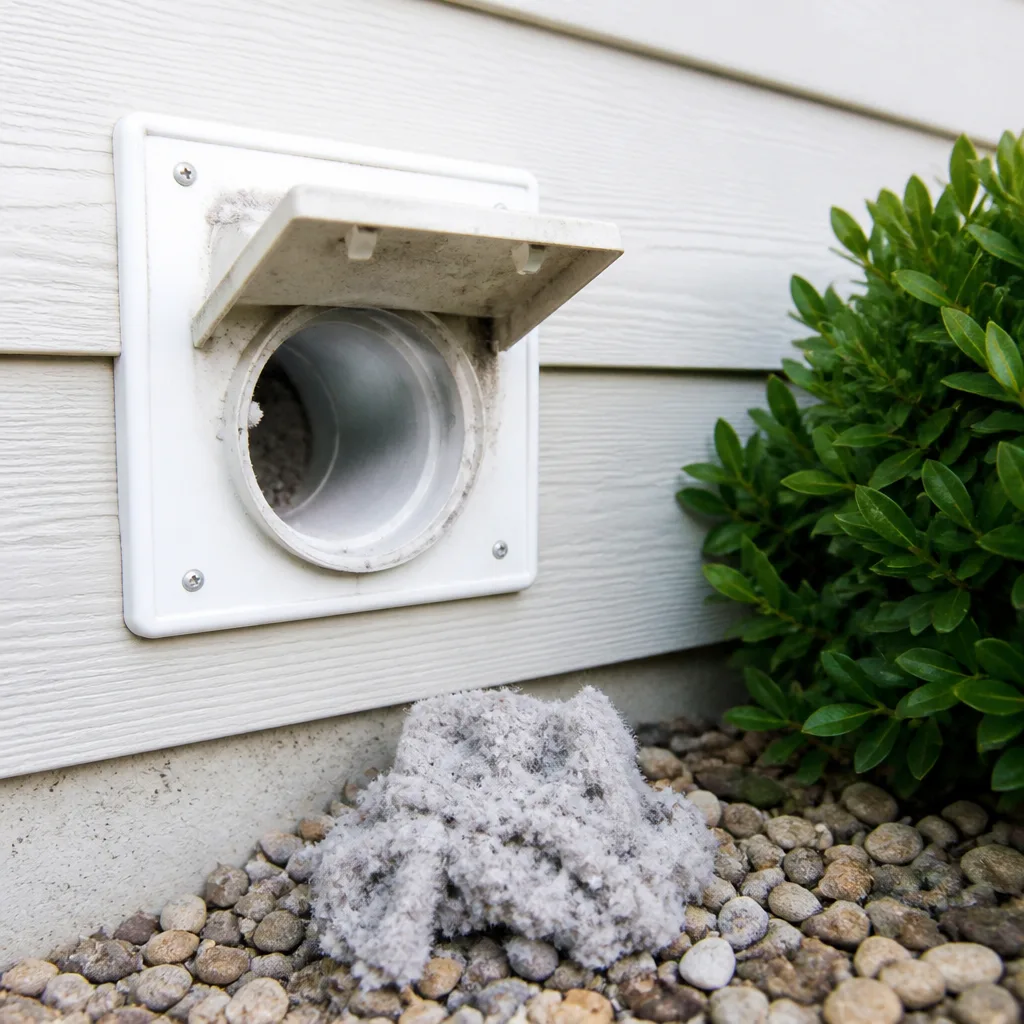 Dryer vent cleaning
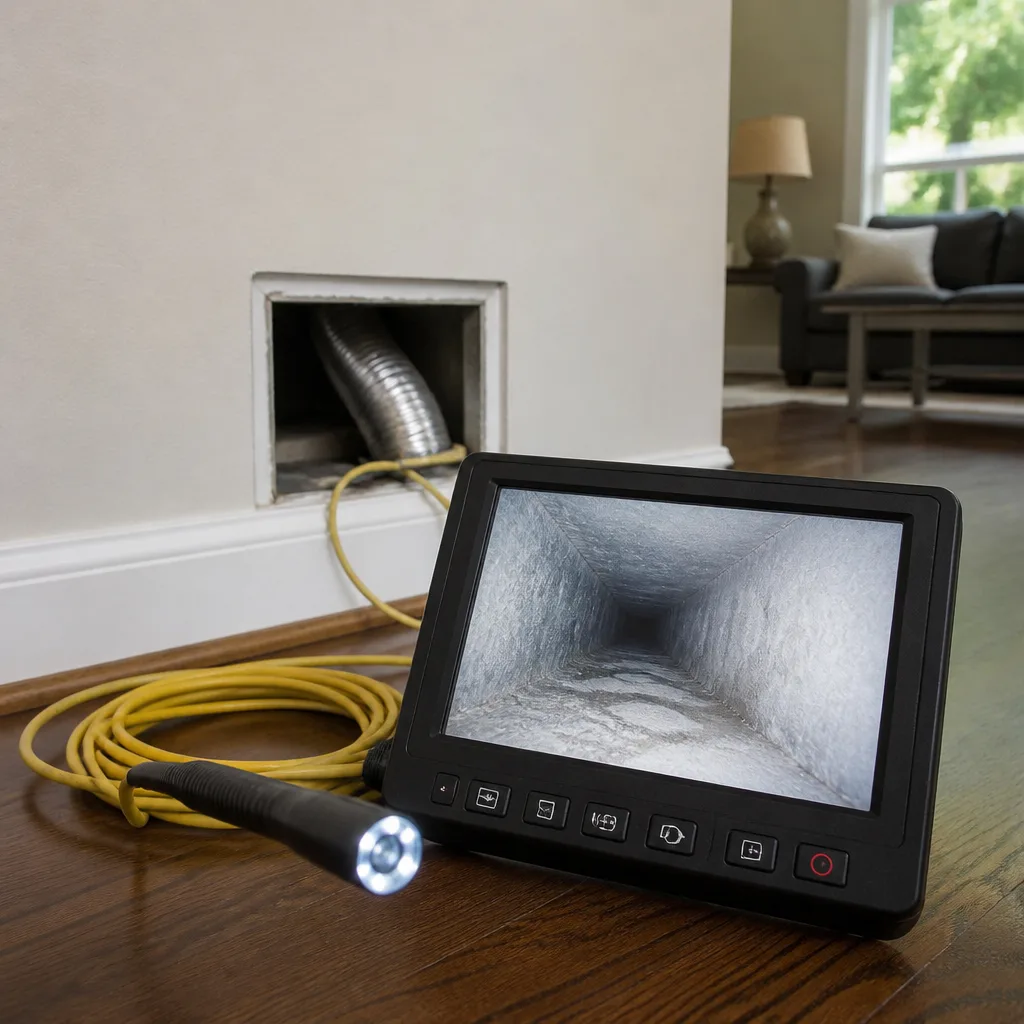 Camera inspection
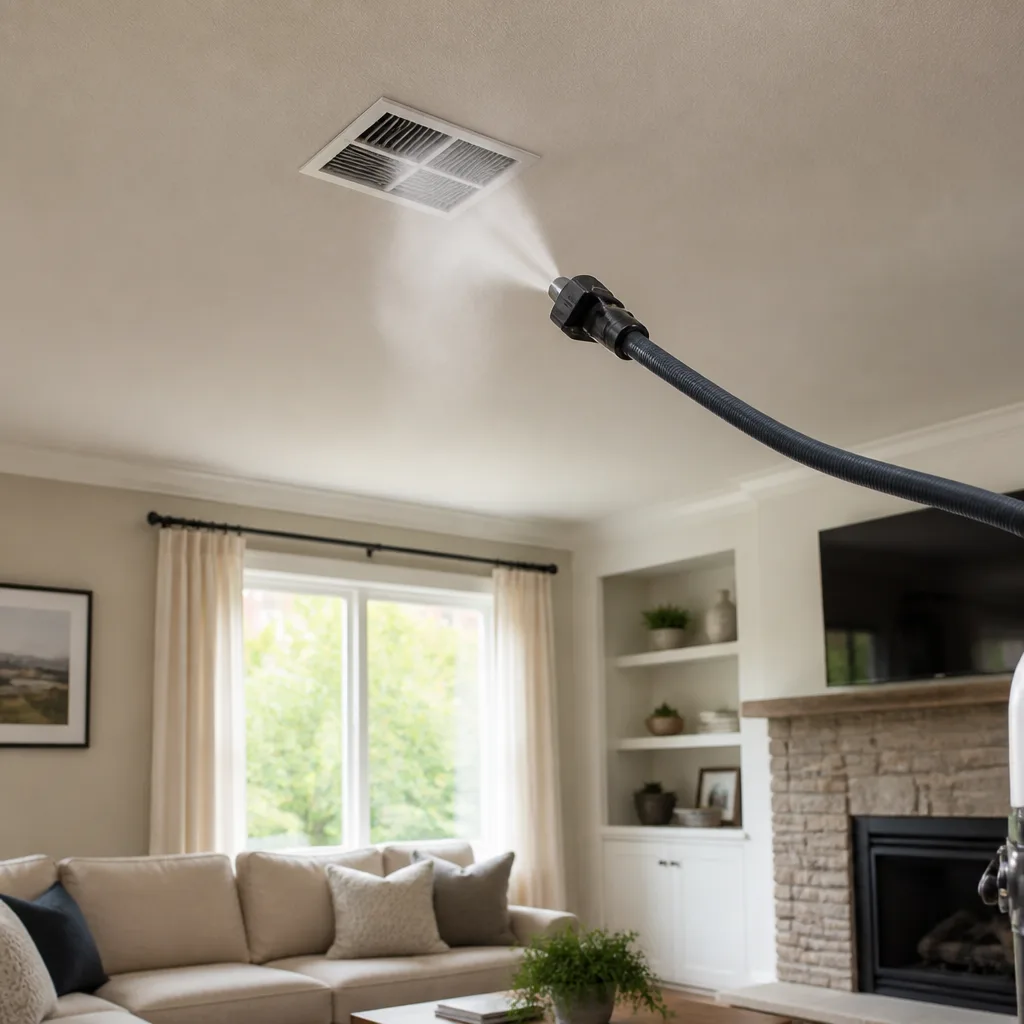 Sanitizing & deodorizing
Whole-system duct and dryer vent check with before-and-after photos - you see exactly what came out of your vents
That "$99 whole-house special" is a bait ad - the real number appears once they are in your hallway, or the "clean" is a shop-vac at the register. We photograph the inside of your ducts before and after instead.
DIY vs Professional Air Duct Cleaning: The Flatbush Homeowner’s Decision Guide
Most comparisons of DIY and professional duct cleaning are framed as a cost question, and that framing quietly hides the real issue. A consumer-grade wet-dry vacuum produces roughly 100 CFM of suction. The truck-mount and portable extraction systems used by professional duct cleaners produce 2,000 to 4,000 CFM. That gap isn’t a marginal difference in convenience. It’s the difference between loosening debris and actually removing it from your home. In a Flatbush apartment or rowhouse where the same ducts serve every bedroom, that difference decides whether dust leaves the system or simply moves to the next room. This guide explains the physics, what you can legitimately handle yourself, what genuinely requires professional equipment, and how to use DIY upkeep to stretch the time between full cleanings.
Quick Answer
Professional air duct cleaning is worth it when you have visible buildup in the main trunk lines, a musty smell that returns after filter changes, or a recent renovation that pushed drywall dust through the system. DIY duct work is worth doing for register cleaning, filter replacement, and visual inspection between professional visits. In short: homeowners can handle maintenance, but source removal in the trunk lines, return plenums, and blower assembly requires equipment with enough airflow and containment to capture what it loosens.
Styles & brands we work with
- Whole-home duct cleaning
- Dryer vent cleaning
- Camera inspection
- Sanitizing & deodorizing
Table of Contents
- Why CFM and Static Pressure Decide the Outcome
- What a Flatbush Homeowner Can Legitimately Do Yourself
- What Requires Professional Equipment
- The Risk Profile of an Improper DIY Attempt
- A DIY Maintenance Calendar That Extends the Interval
- Why Flatbush Housing Stock Changes the Answer
- Common Mistakes to Avoid
- Frequently Asked Questions
Why CFM and Static Pressure Decide the Outcome
Duct cleaning works on one principle: source removal. You loosen debris where it has settled, and at the same moment you capture it in a contained airstream so it never enters the living space. Those two jobs happen simultaneously or not at all. If you loosen more than you can capture, you’ve made the air quality worse in the short term and redistributed the problem across the system.
That is where cubic feet per minute and static pressure come in. CFM measures how much air moves through the system. Static pressure measures the resistance that air has to overcome. A shop vac rated at 100 CFM might move that much air at the hose opening, but inside a 6-inch trunk line, that same vacuum has almost no ability to overcome the resistance of the duct run. The air simply stalls a few feet in.
Professional systems solve this differently. Truck-mount vacuums generate 2,000 to 4,000 CFM and maintain strong negative pressure across a full duct run. Combined with rotary agitation tools that knock debris off the duct walls from the inside, the airstream carries the loosened material back to the collection unit before it ever disperses. Contained extraction is the whole point.
In our experience working in Flatbush, this physics matters more than it might first appear. Many apartment buildings here have long, winding duct runs that snake around corridors and between units. The longer the run, the more static pressure the system needs to overcome, and the wider the gap between what a shop vac can accomplish and what a purpose-built extraction system can.
Why “Suction Power” on the Box Doesn’t Tell You Much
Consumer vacuum packaging advertises peak water lift or air watts, both of which are measured at the hose with no restriction. Neither figure tells you how the machine behaves inside a plenum with a 20-foot run behind it. A brief note on what matters: a system built for duct work uses a large-diameter hose, a sealed connection at the register or access panel, and enough airflow to keep debris suspended all the way to the collector.
What a Flatbush Homeowner Can Legitimately Do Yourself
Plenty of useful work belongs in homeowner hands. The trick is separating maintenance from source removal. These tasks are safe, genuinely effective, and take an afternoon:
- Register and grille cleaning. Pop off each supply and return grille, wash it in the sink with dish soap, dry it fully, and reinstall. Do this every two to three months. This is where most visible dust actually lives.
- Filter replacement. Swap the return filter on the schedule the manufacturer specifies, or sooner if it visibly loads up. In Flatbush buildings with radiators plus forced-air systems, the filter often loads faster in winter because the heat runs constantly.
- Visual inspection at access panels. If your system has an access panel near the air handler, use a flashlight to look for visible buildup, moisture, or pest activity. Don’t reach inside; just look and note what you see.
- Condensate drain clearing. During cooling season, flush the condensate trap and drain line with a cup of water or a mild vinegar solution. This prevents the algae growth that backs up drains and causes water damage near the air handler.
- Dusting the return chase exterior. Wipe down the surfaces around the return intake, since dust settles there first and gets pulled back into the system each time it cycles on.
What none of these do is remove settled debris from inside the ducts. They reduce the load, which is useful, but they don’t address the reservoir. If your registers are clean and your filter is fresh, and you still see dust clouds when the system kicks on, the source is downstream of the filter. That’s the signal to book a professional cleaning, which we cover on our air duct cleaning page.
A Word About Vacuuming Inside a Register
A narrow-crevice tool on a household vacuum can reach the first few inches of a supply run, and that’s fine for surface dust. It won’t reach the trunk line, and pushing a brush deeper than that is more likely to dislodge settled debris than remove it. Take the first few inches and leave the rest alone.
What Requires Professional Equipment
These are the areas where the fluid dynamics of a household vacuum simply can’t compete, and where the risks of a failed attempt climb quickly:
- Main trunk lines. These are the large-diameter runs running from the air handler to the branch ducts. Rotary agitation tools paired with 2,000 to 4,000 CFM of extraction are the only way to knock buildup off trunk walls and capture it before it re-settles.
- Return plenums. Return air carries the heaviest dust load, so the return plenum and the return boot behind the filter are usually the dirtiest part of a system. Cleaning them safely means sealing the register and pulling negative pressure through the whole return path.
- Blower wheel cleaning. The blower wheel is inside the air handler, behind wiring and a control board. Cleaning it requires disassembly, electrical safety precautions, and re-balancing. This is not a homeowner task.
- Evaporator coil surfaces. The evaporator coil sits above the condensate pan and is genuinely fragile. Bending fins or wetting electrical components causes problems far more expensive than a cleaning. Our HVAC cleaning team handles coil surfaces as part of the full system.
- Containment during cleaning. Abatement Technologies negative-air equipment held in place throughout the job keeps dislodged debris from recirculating into the living space. That’s the piece most DIY attempts skip entirely.
We use Rotobrush and Nikro systems for exactly this reason. They’re purpose-built for duct interiors, not repurposed shop equipment. The rotary brushes are sized for common duct dimensions, the hoses are sealed to the register or access panel, and the collection unit is designed to handle the volume of a full residential system.
The Risk Profile of an Improper DIY Attempt
Most DIY duct projects don’t cause disaster. They just quietly make things worse, or leave the homeowner with a repair bill. The three most common outcomes we see:
Flex Duct Puncture
Flexible duct has a thin, non-metallic inner liner and is easy to tear with a stiff brush or a vacuum nozzle pushed too hard. Once it’s punctured, conditioned air leaks into a wall cavity or attic, and the system loses efficiency right where you can’t see it. If you’re going to inspect flex runs, do it with a flashlight and a soft hand, never with a tool.
Disturbing Settled Mold Without Containment
Mold spores can settle in ductwork in dormancy for long stretches. Loosening them without containment releases a burst of spores into the living space. The risk is higher in Flatbush’s older rowhouses and brownstones, whose original ductwork and masonry walls often hold more moisture than newer construction. If you see visible growth at an access panel, close it back up and call a professional who can test the air and address the root moisture.
Static Charge Near Electronic Air Cleaners
Electronic air cleaners use charged collection cells. Dry-brushing ductwork near those cells can generate static that interferes with the electronics. Use only damp wiping near those components, and if the cell itself is loaded with dust, have it cleaned professionally rather than disassembled by hand.
A DIY Maintenance Calendar That Extends the Interval
Homeowners who keep up with maintenance can stretch the time between professional cleanings meaningfully. This schedule is what we recommend for a typical Flatbush home:
- Monthly: Check the filter. Replace if it’s more than 50 percent loaded. During peak heating and cooling months, expect to change it more often.
- Every two to three months: Remove and wash every supply and return grille. Dry thoroughly before reinstalling.
- Every six months: Vacuum around the return chase with a soft brush attachment. Wipe down the outside of the air handler cabinet. Confirm the condensate drain flows freely.
- Annually: Do a flashlight inspection at any access panel. Note any visible buildup, moisture, or pest evidence and keep a log so you can track changes over time.
- After any renovation: Change the filter immediately, seal off registers in the work area before demo starts, and book a professional cleaning once the dust settles. Drywall dust is fine enough to pass a standard filter.
This schedule doesn’t replace professional cleaning. It reduces the load the system carries between visits, which extends the useful interval and keeps the home comfortable in the meantime.
Why Flatbush Housing Stock Changes the Answer
Flatbush is a mix of pre-war apartment buildings, attached rowhouses, and brownstones, and each presents a different duct situation. In older rowhouses, the duct runs are often retrofitted into existing chases, which means tight corners and non-standard duct diameters. That geometry increases static pressure and makes contained extraction even more important. A shop vac that works moderately well in a modern suburban house with short straight runs will struggle badly in a long, winding Flatbush run.
Many of the pre-war buildings around Flatbush also run on radiators or hot-water heat, with window units or PTACs doing the cooling. In those cases, duct cleaning questions usually turn out to be return-air or ventilation questions in disguise. The home might not have a duct system at all in the traditional sense, and what’s actually needed is a conversation about the air handler, the return path, and filtration. If you’re in that situation, it’s worth understanding what the full system actually consists of before committing to any cleaning plan.
Masonry walls and older window construction mean Flatbush homes tend to hold humidity differently from newer buildings. That’s relevant here because moisture is what turns settled dust into mold colonies. Once you have visible mold growth inside the ducts, dry brushing with a shop vac is the wrong response: it spreads spores. A professional cleaning with proper containment, followed by sanitizing, addresses the root of the problem. If you’re considering that route, our team can talk you through what a full-system clean looks like at Air Duct Cleaning Flatbush.
Common Mistakes to Avoid
- Using a shop vac as a duct cleaning tool. A shop vac can pick up debris it touches, but it can’t overcome the static pressure in a duct run. Pushing one into a supply register just makes noise and stirs dust loose without capturing it.
- Skipping containment. This is the single biggest gap in DIY attempts. If you don’t seal the register and pull negative pressure through the whole system, whatever you loosen ends up in your living room.
- Pushing brushes past the first few feet. A stiff brush jammed into flex duct punctures the liner and can dislodge settled mold. The first few inches are fine; deeper than that belongs to professional equipment.
- Ignoring the filter schedule during a heat wave. Flatbush summers are humid, and filters load faster when the AC runs nonstop. A dirty filter is the most common cause of a system that feels underpowered.
- Cleaning ducts after a renovation without sealing registers first. Drywall dust travels everywhere. Seal the registers before demo starts and change the filter immediately after, then book a professional cleaning.
- Forgetting the dryer vent. Dryer vents are a fire risk, not just a maintenance item. Lint accumulation in the vent run is one of the leading causes of residential structure fires. This is a standalone hazard most homeowners underweight, and professional dryer vent cleaning addresses it directly.
- Cleaning without repairing. Sealing gaps in the ductwork is often what keeps the system clean after a professional cleaning. If the duct joints are leaking, dust gets drawn in from unconditioned spaces all over again. Our duct repair and sealing work closes those gaps as part of the same visit.
See the difference
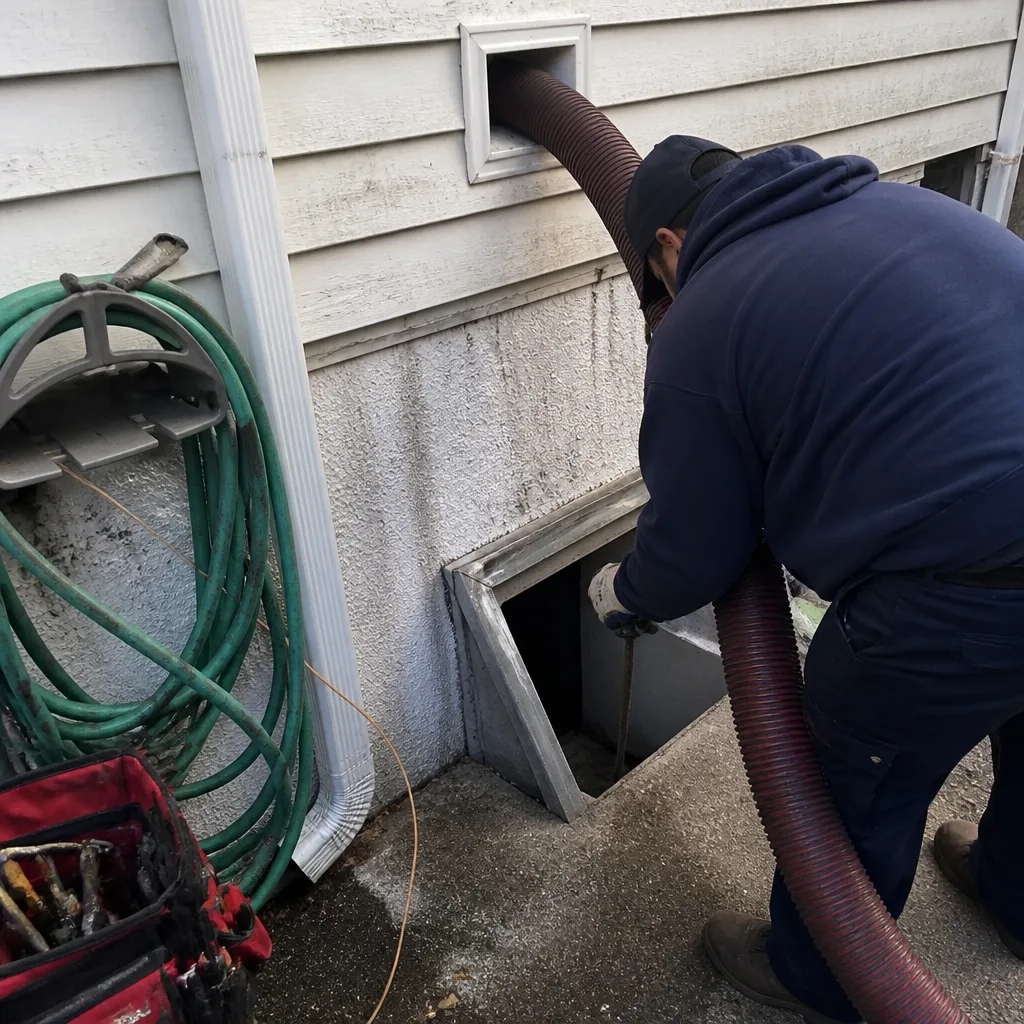 Before
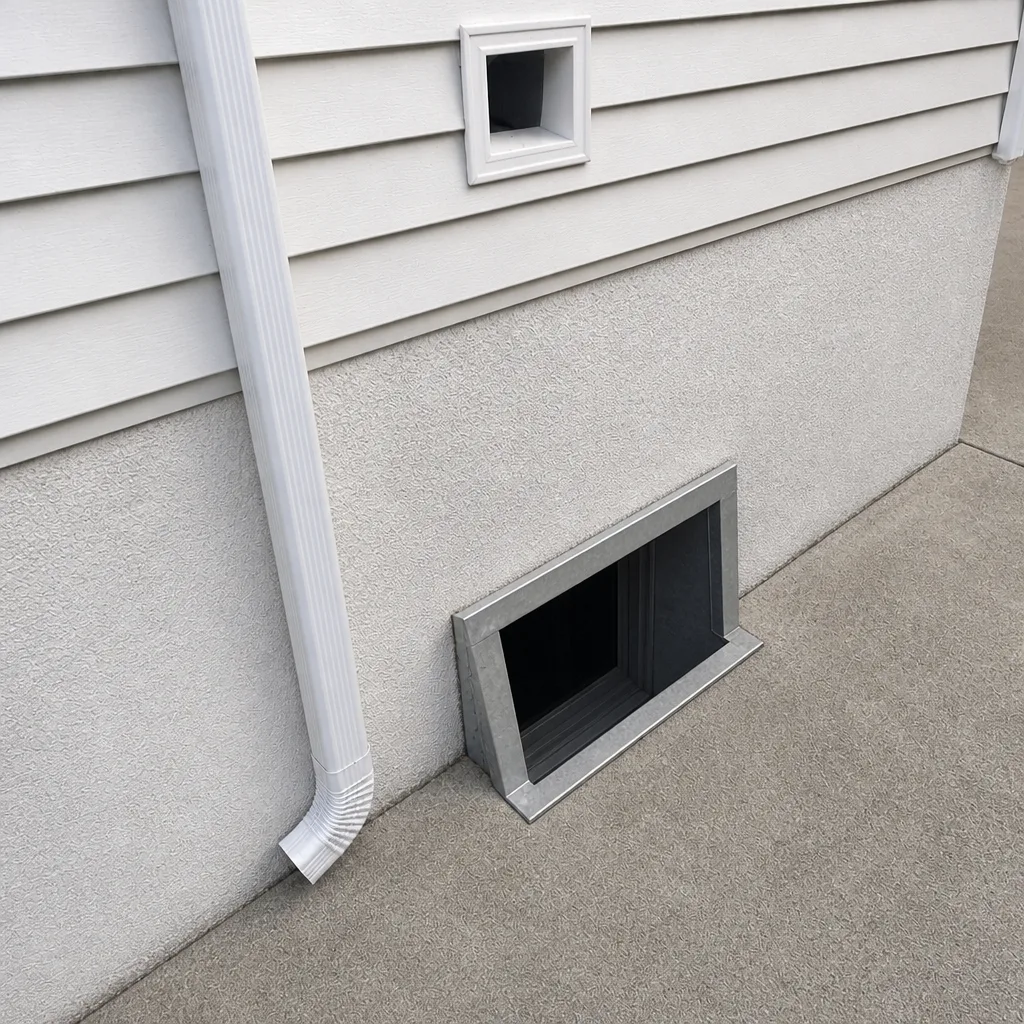 After
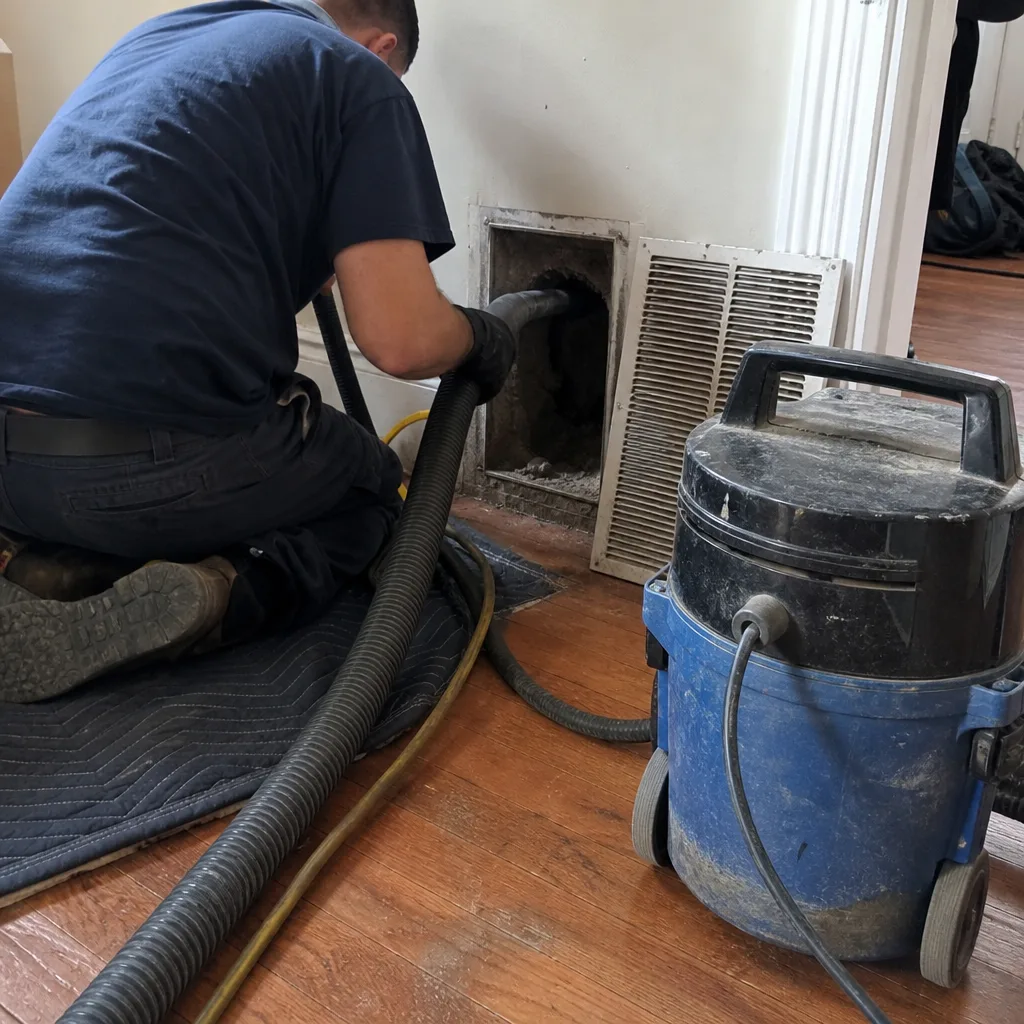 Before
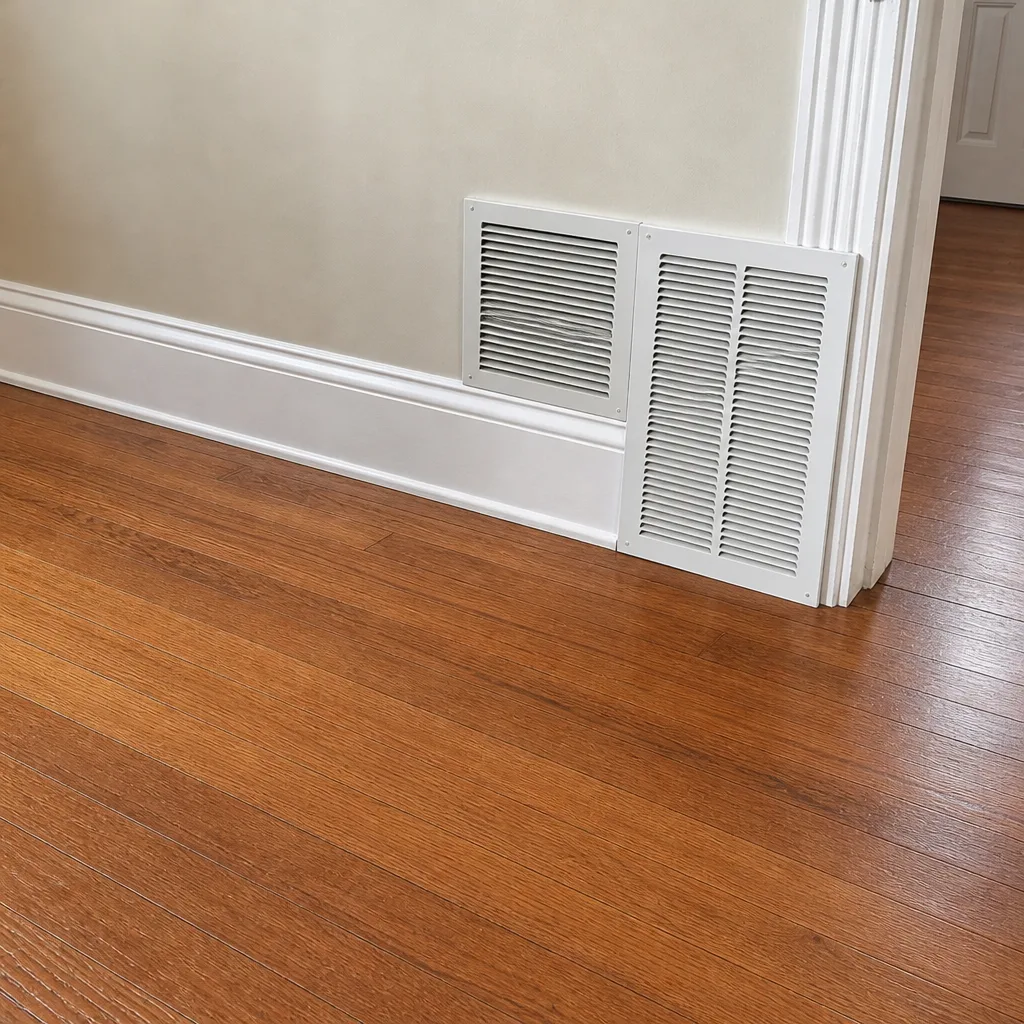 After
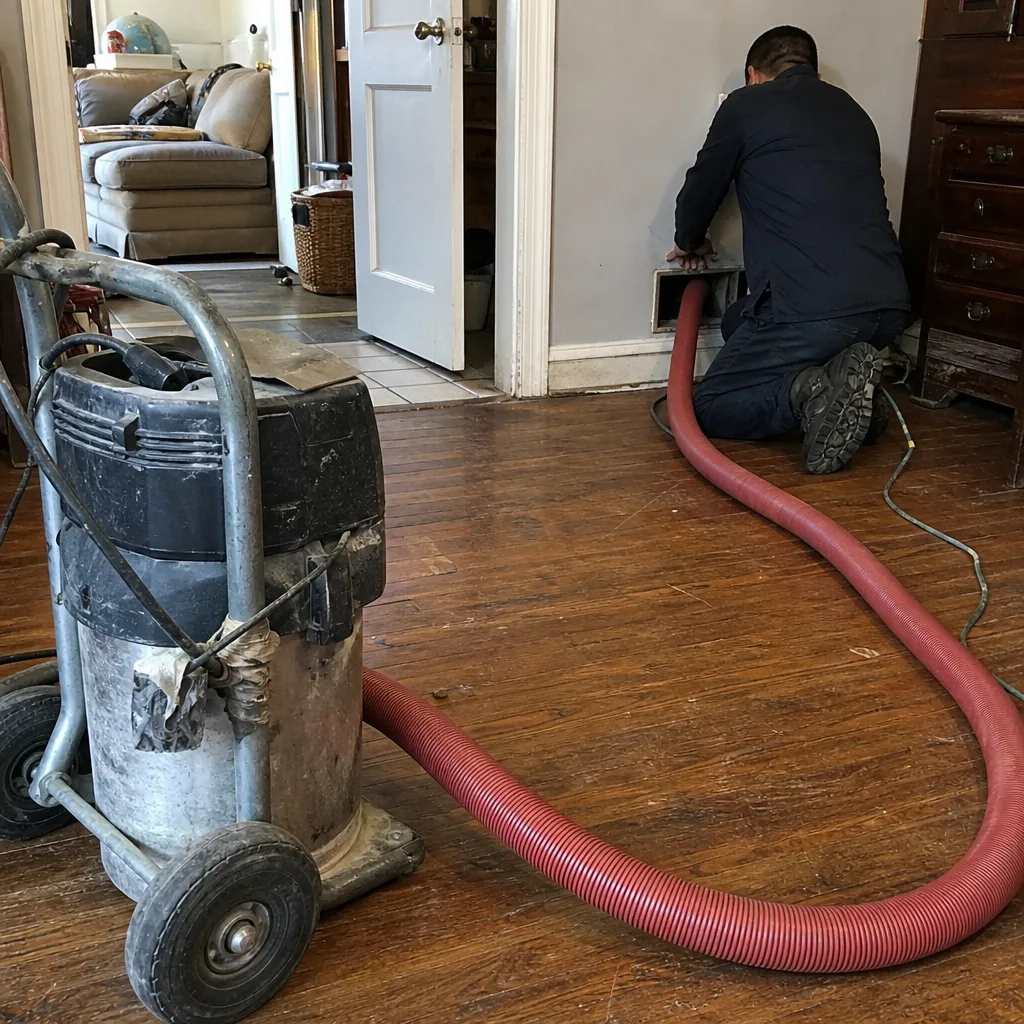 Before
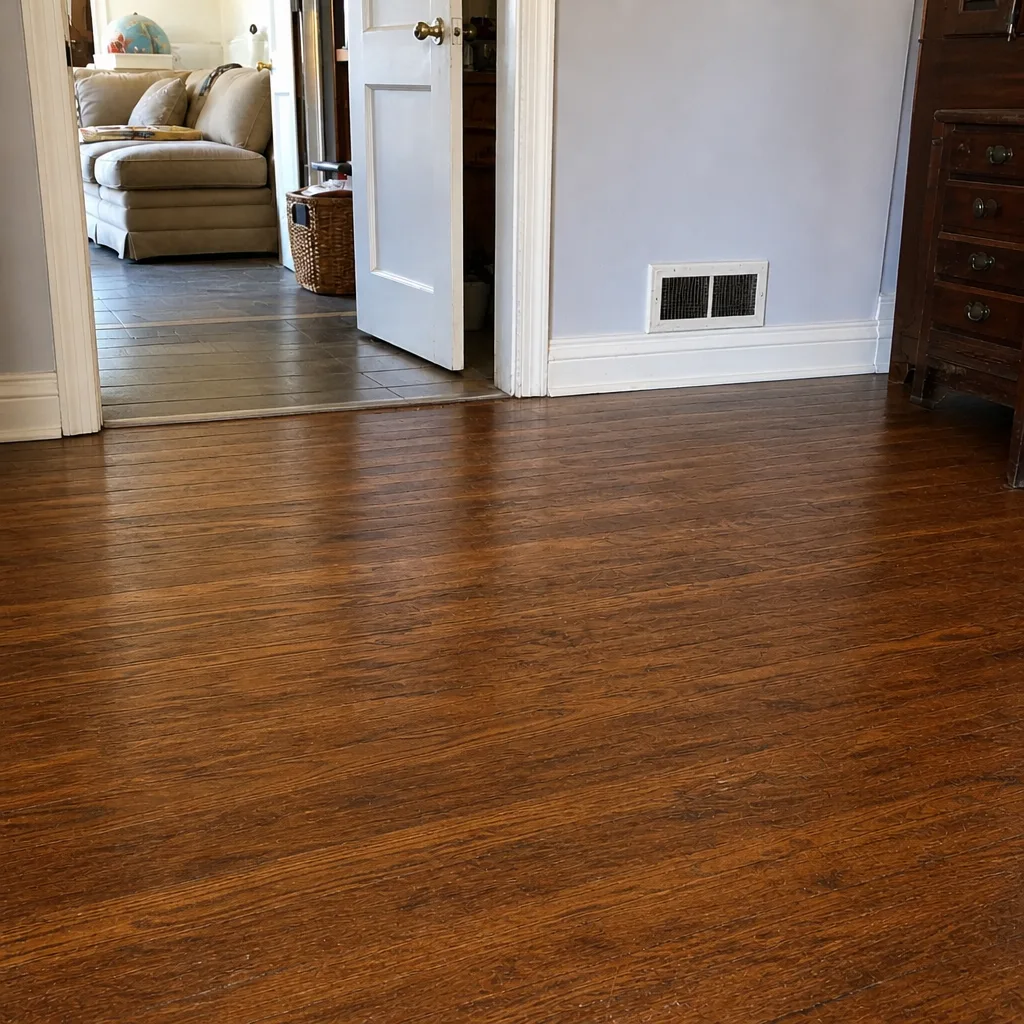 After
When to Call a Professional
Call a professional if you see visible dust buildup on duct walls at any access panel, if a musty smell returns within a week of a filter change, if anyone in the household has allergies or asthma that worsen when the HVAC cycles, if a recent renovation pushed drywall dust through the system, or if you’ve just moved into a Flatbush home and don’t know when the ducts were last cleaned. The same applies if your system has visible mold at any point inside the ductwork, or if you hear rattling or whistling that suggests a leak or disconnected run. Each of these is a source-removal situation, not a maintenance situation.
Air Duct Cleaning Flatbush offers free estimates in Flatbush – call (866) 937-8518. We answer 24/7. Fast dispatch from 7am to 7pm, Sunday through Friday.
Frequently Asked Questions
Cost depends on the size of the system, the number of registers, and the condition of the ducts. One flat price per system is agreed in writing before work starts, so the number doesn’t change once the technician is on site. Estimates are free, and the written estimate sets the final price. Call (866) 937-8518 for an exact quote.
Cheap quotes usually reflect a surface-only job: someone runs a shop vac or similar equipment past the registers without real containment or trunk-line cleaning. That leaves the actual reservoir of dust untouched and often redistributes it. A full-system clean uses 2,000 to 4,000 CFM of extraction and negative-air containment throughout, which is why the cost looks different. Call (866) 937-8518 and we’ll walk through what your specific system needs.
Ask for before-and-after photos of your own ducts, taken at the same access points. That’s the simplest verification, and it’s something we offer as standard. A technician who can’t show you what came out of the system didn’t clean the system. Call (866) 937-8518 for a free estimate.
Most homes go three to five years between cleanings if the filters are changed on schedule and registers are kept clean. Homes near construction, homes with pets, and homes with constant window-open ventilation need it more often. Homes with visible mold or recent water intrusion need it immediately. Call (866) 937-8518 if you’re unsure where your system falls.
Even a rental unit generally can’t match the 2,000 to 4,000 CFM and sustained static pressure of a purpose-built extraction system, and it won’t come with containment equipment. You can handle the maintenance-level tasks described in this guide. Source removal in the trunk lines and plenums requires professional equipment and training. Call (866) 937-8518 for a free estimate.
No, and it should be handled separately because the hazard is different. Dryer vents accumulate lint that’s highly flammable, and a blocked vent is a fire risk, not just a maintenance nuisance. A dryer vent cleaning service should be performed at least annually, and more often in high-use households. Our technicians have up to 14 years of experience with this work. Call (866) 937-8518 to schedule.
The Bottom Line
The DIY versus professional decision isn’t a cost question, it’s a physics one. If your goal is register maintenance, filter discipline, and visual inspection, DIY is the right answer and it genuinely extends the interval between cleanings. If your goal is source removal in the main trunk lines, return plenums, blower wheel, and evaporator coil, you need a system that moves 2,000 to 4,000 CFM with containment throughout. Contained extraction is the difference between cleaning a system and stirring one up. Our technicians have up to 14 years of experience and use purposeful equipment from Rotobrush, Nikro, and Abatement Technologies, with Honeywell and Aprilaire products available when filtration or humidity needs an upgrade.
For a free estimate in Flatbush, call (866) 937-8518. We answer 24/7. Fast dispatch from 7am to 7pm, Sunday through Friday.
Written by the team at Air Duct Cleaning Flatbush.