
Last updated November 22, 2026
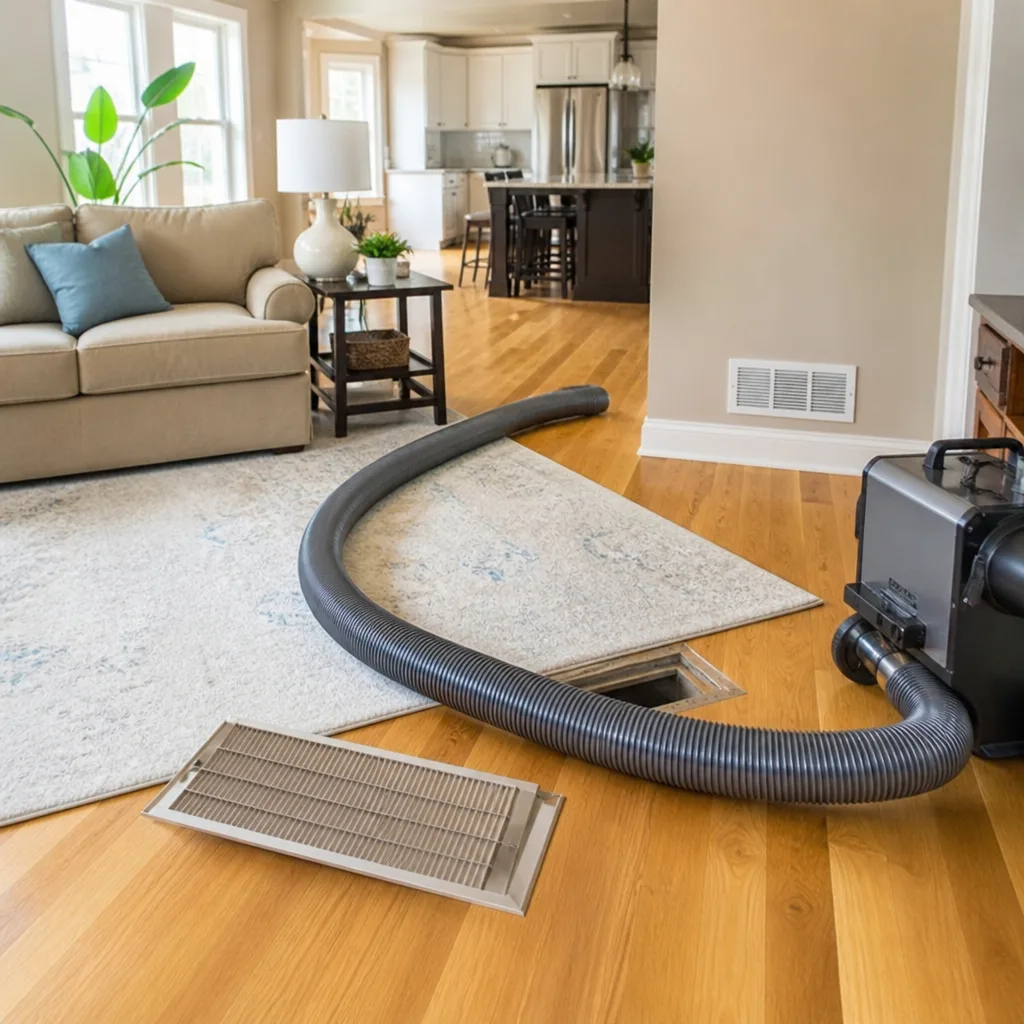 Whole-home duct cleaning
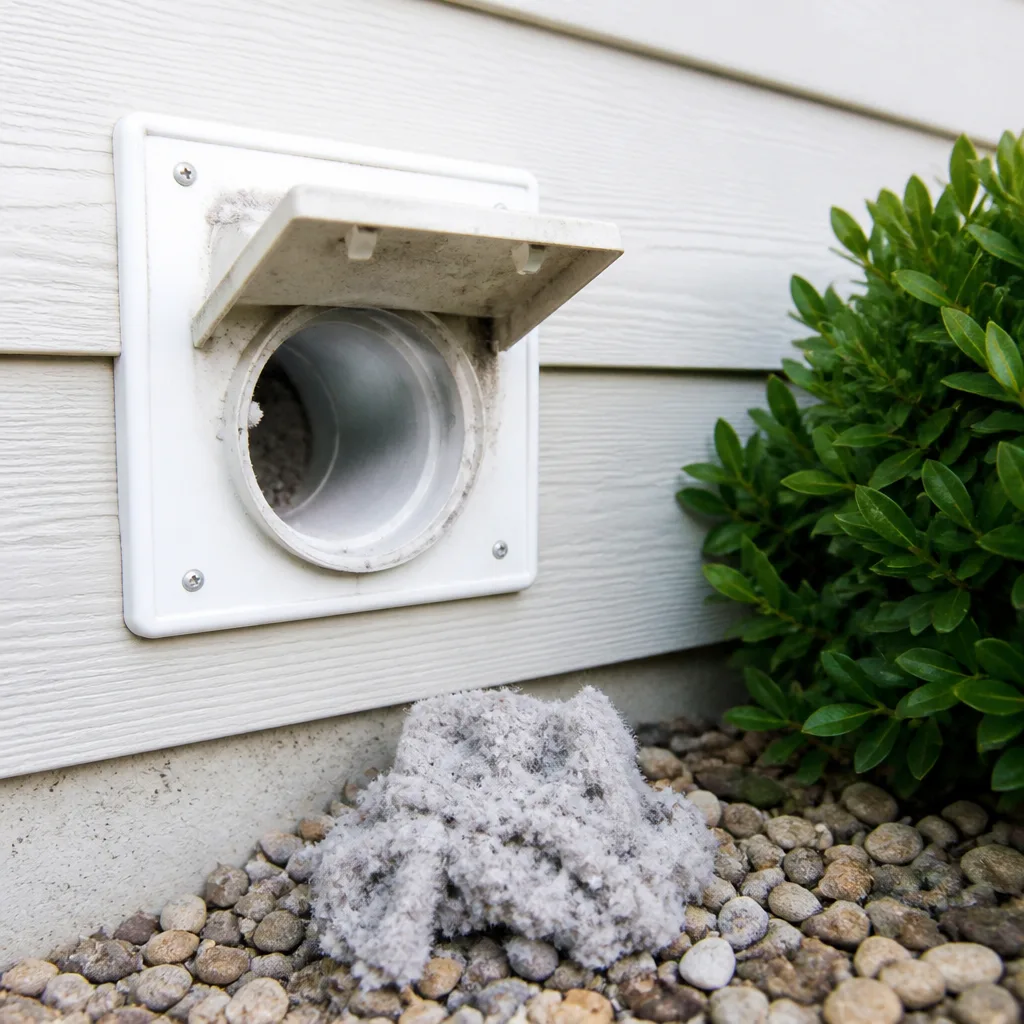 Dryer vent cleaning
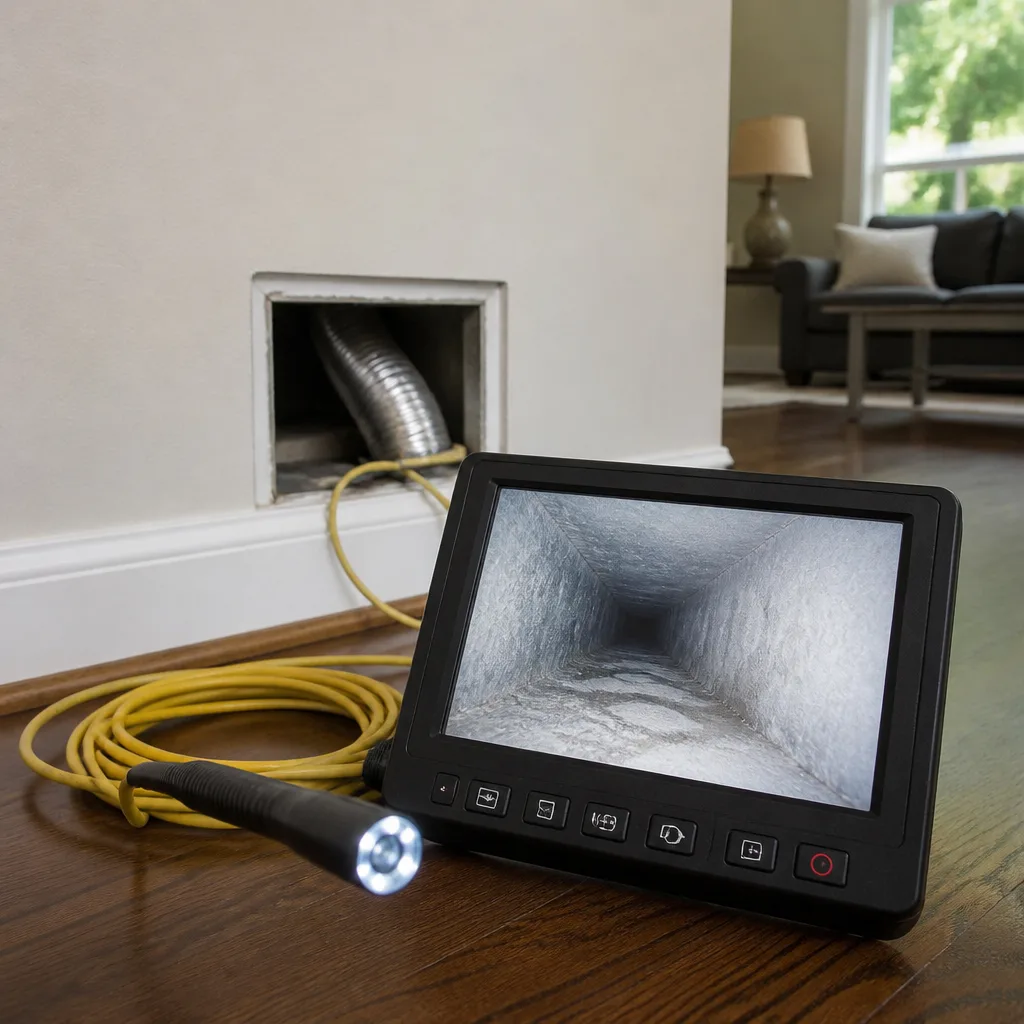 Camera inspection
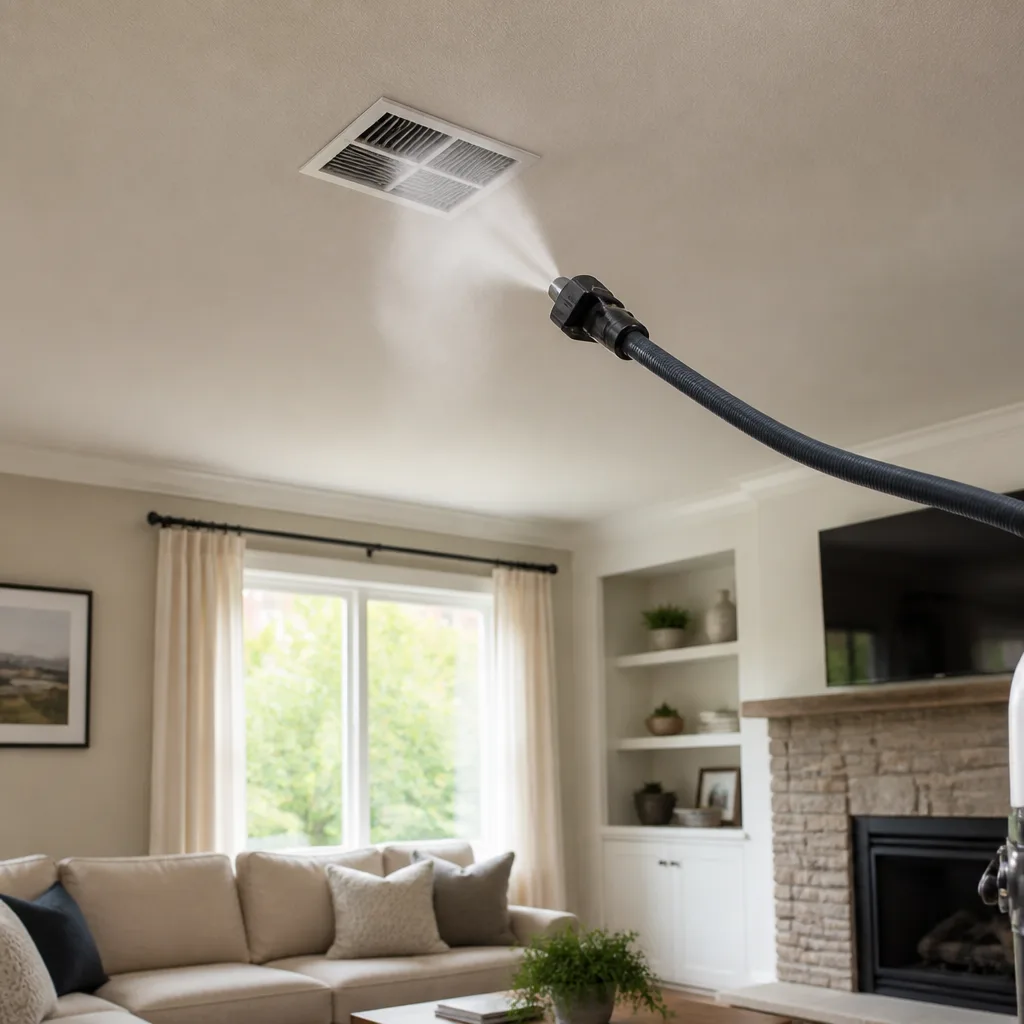 Sanitizing & deodorizing
Whole-system duct and dryer vent check with before-and-after photos - you see exactly what came out of your vents
That "$99 whole-house special" is a bait ad - the real number appears once they are in your hallway, or the "clean" is a shop-vac at the register. We photograph the inside of your ducts before and after instead.
Air Duct Cleaning Permits, Codes & Inspections in Flatbush, NY: What You Need to Know
Most Flatbush homeowners assume that any contractor who opens a duct system needs a permit to do it. Usually that’s wrong. Routine cleaning of an existing duct system in a one-to-four-family house generally doesn’t require an NYC Department of Buildings permit, and that’s why so many cleaners work without ever pulling one. But the picture changes sharply once anyone alters the ductwork, disturbs insulation in a pre-1980 building, or goes after mold. The same Flatbush housing stock that gives the neighborhood its character also means many of those ducts sit behind materials that a cleaner can’t legally disturb without testing. This guide maps where the no-permit line sits, when NYC code, DEP asbestos rules, and Local Law 55 kick in, and how to check a property’s inspection history before work begins.
Quick Answer
Ordinary air duct cleaning in a Flatbush home requires no NYC DOB permit, because it doesn’t alter the building’s mechanical systems. A permit under NYC Building Code §1704 becomes necessary the moment a job involves adding, removing, rerouting, or resizing ductwork. Separate requirements apply to asbestos-containing materials in pre-1980 buildings, to mold remediation under NYC DEP guidance, and to indoor allergen hazards in rental units under Local Law 55.
Styles & brands we work with
- Whole-home duct cleaning
- Dryer vent cleaning
- Camera inspection
- Sanitizing & deodorizing
Table of Contents
- When duct cleaning needs a permit and when it doesn’t
- The pre-1980 Flatbush building problem: asbestos and duct insulation
- EPA RRP and NYC DEP asbestos rules for duct work
- Local Law 55, rentals, and duct contamination in Flatbush apartments
- Mold remediation: what a cleaning contractor can and can’t do
- How to pull DOB records on a Flatbush property
- What an inspection should actually check
- Common mistakes to avoid
When Duct Cleaning Needs a Permit and When It Doesn’t
Cleaning is not construction. Running a purpose-built extraction system through an existing duct network removes dust, debris, and biological buildup without changing the shape or location of anything. No permit is issued for that, and none is required.
Alteration is construction. Under NYC Building Code §1704, mechanical work that changes a duct system – adding a new run, cutting in a supply register, rerouting a trunk line, resizing a section to fix pressure problems, or replacing flex duct with rigid – falls into inspection territory. That work is permitted and inspected, and a licensed contractor pulls the permit, not the homeowner.
Here’s the split in practical terms:
- No permit typically required: cleaning and extraction of existing ducts, register and grille cleaning, sanitizing an existing system, and cleaning the air handler alongside the ducts.
- Permit typically required: new duct runs, relocated registers, resized ductwork, repaired or replaced duct sections where the layout changes, and any work that touches the building’s HVAC mechanical systems in a structural way.
- Ask before assuming: duct repair and sealing sit near the boundary. Sealing pinholes and joints in existing ductwork is maintenance, but rebuilding a collapsed trunk line or changing duct sizing is not.
Flatbush is full of one-to-four-family houses where ductwork was updated piecemeal over decades. We’ve opened return chases in Flatbush homes and found three different duct vintages within one system. When the scope drifts from cleaning into alteration, that’s when a permit conversation has to happen, and it’s better to have it before the work starts than after. If your job is purely cleaning, our air duct cleaning scope covers the extraction and sanitizing without touching the building’s permitted mechanical layout.
The Pre-1980 Flatbush Building Problem: Asbestos and Duct Insulation
Flatbush holds one of Brooklyn’s largest concentrations of pre-1980 housing. A meaningful share of the duct systems in those buildings date to an era when asbestos-containing materials were standard in duct wrapping, insulation board, and joint compounds. That single fact changes who can legally touch your ducts.
Asbestos isn’t something you can eyeball. The materials that concern us in ducts – the wrap around older duct runs, the board used around air handlers, and the tape and mastic sealing joints – look identical to safer modern equivalents. There is no visual test that tells you whether a duct wrap contains asbestos. It requires laboratory analysis of a sample.
That’s why the safe sequence for any Flatbush home built before 1980 looks like this:
- Identify the building’s construction date and any known renovation history. DOB records help.
- Have a licensed asbestos inspector test suspect materials before anyone disturbs them mechanically.
- If asbestos is present, the scope of work changes entirely. Cleaning may be deferred, or the material may need to be handled under abatement rules before cleaning proceeds.
- Only proceed once the testing results are in hand and the contractor has reviewed them.
A reputable duct cleaner will ask you the construction year before quoting. If the answer is “pre-1980” and the response is a shrug, that’s a warning sign. Disturbing asbestos-containing duct insulation sends fibers into the airstream and into the living space. It’s not a risk you take because a contractor didn’t want to bring it up.
EPA RRP and NYC DEP Asbestos Rules for Duct Work
Two separate regulatory regimes protect homeowners here, and they overlap in ways that confuse people.
The EPA’s Renovation, Repair and Painting (RRP) Rule covers renovation, repair, and painting work that disturbs painted or coated surfaces in pre-1978 housing. Duct work isn’t the classic RRP trigger, but the rule matters in Flatbush because a great deal of duct work happens during renovations in older buildings, and RRP-certified renovation firms handle the surfaces around them. If a duct repair is part of a larger renovation, the RRP rule almost certainly applies to the rest of the project.
The NYC DEP handles asbestos locally, and that’s where duct work in pre-1980 buildings really gets governed. DEP rules require that suspect asbestos-containing material be identified before any mechanical disturbance. For duct cleaning, “mechanical disturbance” is exactly what extraction equipment does. That’s the legal core of the issue: you can’t run a Rotobrush or Nikro whip through duct work wrapped in a material of unknown composition and claim you didn’t disturb it.
In practice, that means:
- Testing comes before cleaning in any pre-1980 Flatbush building with duct wrap or insulated duct board.
- If the material tests positive, an abatement contractor handles it under DEP rules before the duct cleaner does anything.
- If it tests negative, cleaning proceeds normally, and the test documentation stays with the property records.
We work with Abatement Technologies air-containment equipment precisely because it contains dislodged debris during cleaning. But containment equipment is not a substitute for testing, and no duct cleaner should tell you otherwise. Testing is a documentation exercise, not a cleaning one.
Local Law 55, Rentals, and Duct Contamination
NYC Local Law 55 of 2018 governs indoor allergen hazards in rental housing, and it’s the piece most Flatbush renters and landlords never hear about. The law sets standards for mold, pest-related allergens, and the conditions that produce them in residential units. It assigns the property owner responsibility for correcting those conditions and requires annual inspections of units where a child with asthma lives, in buildings with known conditions that could produce allergens.
Air duct contamination connects to Local Law 55 in a real, practical way. Ducts that distribute mold spores, dust mite debris, or pest allergens through a Flatbush apartment are a condition that affects the whole unit. A landlord who ignores a visibly contaminated duct system can be exposed to complaints and enforcement, even when the underlying moisture problem started elsewhere.
For a Flatbush landlord, the sequence matters:
- Fix the moisture source first. Contaminated ducts are almost always the result of a wet condition, not the cause of it.
- Document the condition with photographs before cleaning, not just after.
- Run the cleaning under containment protocols so demolition debris doesn’t distribute spores through the rest of the unit.
- Keep the documentation – inspection records, cleaning scope, and any post-cleaning verification – because Local Law 55 is about the property owner being able to show the condition was identified and corrected.
For tenants, the useful move is to put the complaint in writing, describe what you actually see (dust streaks around returns, musty odor from registers, mold at grilles), and ask for the inspection record. The complaint is what creates the record.
Mold Remediation: What a Cleaning Contractor Can and Can’t Do
This is where scope gets misrepresented most often. Cleaning a duct system removes mold spores and the organic debris that feeds them. It is not mold remediation, and a duct cleaner isn’t licensed to perform remediation work as defined under NYC DEP guidance.
NYC DEP publishes a widely used guideline for mold remediation, and the core requirement is a defined scope: assessment of the source, containment of the work area, removal of affected material rather than drying it in place, and post-remediation verification. A simple duct cleaning doesn’t include any of those steps by default.
Here’s the distinction that matters for a Flatbush homeowner:
- Duct cleaning with sanitizing addresses buildup inside ducts after the underlying cause of contamination has been fixed. It’s a cleaning operation.
- Mold remediation addresses a defined mold condition on building materials, under a written scope, with containment and clearance. It’s a regulated activity.
- Duct repair and sealing addresses the gaps and cracks that let contaminants back in. It’s mechanical work, and the right next step after cleaning.
When we work in Flatbush, the honest answer to visible mold inside a plenum is often “that’s remediation, and here’s who handles that.” Cleaning a duct system with active mold growth on the surrounding building materials just redistributes the problem. The order of operations is remediation first, sealing second, cleaning last, and the proper sequence protects everyone involved.
How to Pull DOB Records on a Flatbush Property
NYC keeps permit and inspection history for most construction work on buildings, and it’s public. Before you hire a duct cleaner or plan any duct alteration in Flatbush, pull the property’s records. It tells you what’s been done, what was inspected, and what’s still open.
Here’s the process:
- Find the property’s block and lot. The NYC Department of Finance’s property records lookup returns these from the street address.
- Use the NYC Department of Buildings Building Information System (BIS) to pull the property profile. BIS shows permit applications, Certificates of Occupancy, open violations, and inspection results by address.
- For newer filings and updates, check DOB NOW, which handles most current filings and inspection scheduling.
- Read the permits, not just the count. A mechanical permit for an HVAC replacement tells you when the system was redesigned. A Certificate of Occupancy tells you what the building was originally approved to do.
- Flag open permits and violations. An open permit in a Flatbush two-family is often the reason a future alteration gets complicated.
This matters for duct cleaning because the permit record tells you the system’s actual age and history, which is the first step in the pre-1980 asbestos question. A property with a 2003 mechanical permit for full HVAC replacement is very different from one whose last permitted mechanical work dates to the 1970s. Flatbush buildings in both categories sit on the same block.
What an Inspection Should Actually Check
An inspection is not a sales visit with a flashlight. A proper pre-cleaning inspection in a Flatbush home covers the system and the building conditions that affect it.
- Construction date and material history. When was the building built, and what’s known about prior duct work? This decides the testing question.
- Duct routing and condition. Loose joints, collapsed sections, disconnected runs, and gaps at the plenum are common in older Flatbush systems and impact both energy loss and recontamination.
- Air handler and coil. A dirty coil next to clean ducts means the ducts get dirty again. Cleaning without addressing the air handler is a waste of money.
- Return air paths. Many Flatbush homes use panned joist returns. Those cavities collect dust in a way that flex duct doesn’t, and they need dedicated attention during cleaning.
- Moisture and visible growth. Any area with active moisture or visible mold growth changes the scope entirely.
- Filtration setup. The filter currently in place tells you a lot about how much dust the system has been handling and whether an upgrade makes sense.
We combine that inspection with an extraction phase run under Abatement Technologies negative-air and containment protocols, so dislodged debris doesn’t re-enter the living space during cleaning. Filtration products from Honeywell and Aprilaire can be assessed in the same visit if a homeowner is dealing with recurring dust or humidity issues. For systems that need more than cleaning, our HVAC cleaning scope covers the coil and air handler side.
Common Mistakes to Avoid
- Assuming permits are always needed. Routine cleaning in a Flatbush home doesn’t require a permit, and paying for one you don’t need just adds cost and delay. Confirm the scope with the contractor before assuming either way.
- Skipping asbestos testing in a pre-1980 building. Duct wrap, board around the air handler, and joint compounds from the pre-1980 era may contain asbestos, and no visual check can rule that out. Mechanical disturbance of untested material is where the real risk sits.
- Hiring a cleaner for a remediation job. Duct cleaning and mold remediation are different regulated activities under NYC DEP guidance. A contractor offering both in one visit without a written remediation scope is telling you something about their standards.
- Cleaning ducts with an active moisture source still present. Ducts don’t get contaminated on their own. If there’s a leak, a wet air handler, or a moisture issue in a Flatbush basement, cleaning without fixing the source means the contamination returns.
- Not checking DOB records first. The permit history tells you the system’s actual age and what’s been altered. Two Flatbush houses on the same block can have completely different mechanical histories, and the cleaning scope should reflect that.
- Ignoring recontamination from duct gaps. Cleaning without sealing disconnected joints and gaps around the plenum means the system just draws attic or basement air back in. Duct repair and sealing belong on the same scope.
- Treating the dryer vent as optional. Dryer vents are a leading cause of residential structure fires in the US and a separate fire-safety hazard from air-quality cleaning. It’s a different service with a different risk profile, and it deserves its own scheduled attention.
See the difference
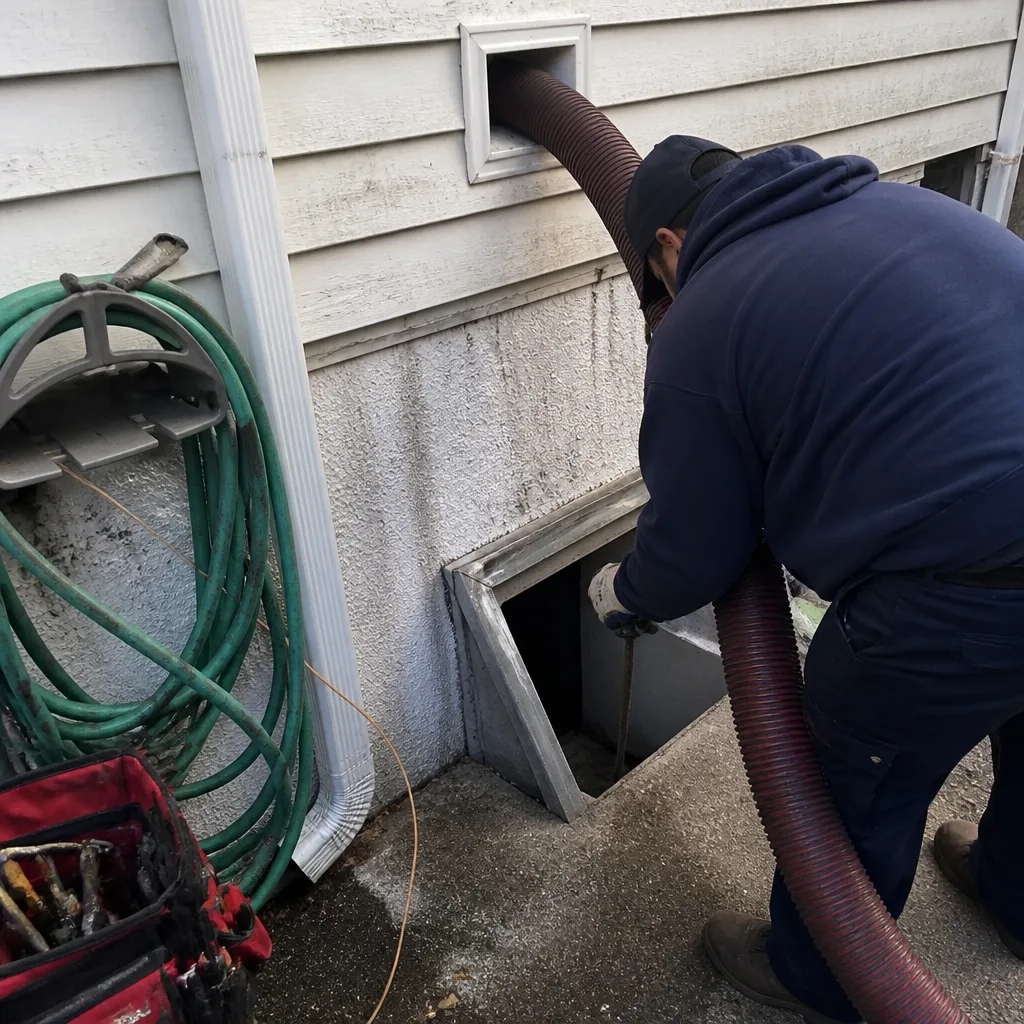 Before
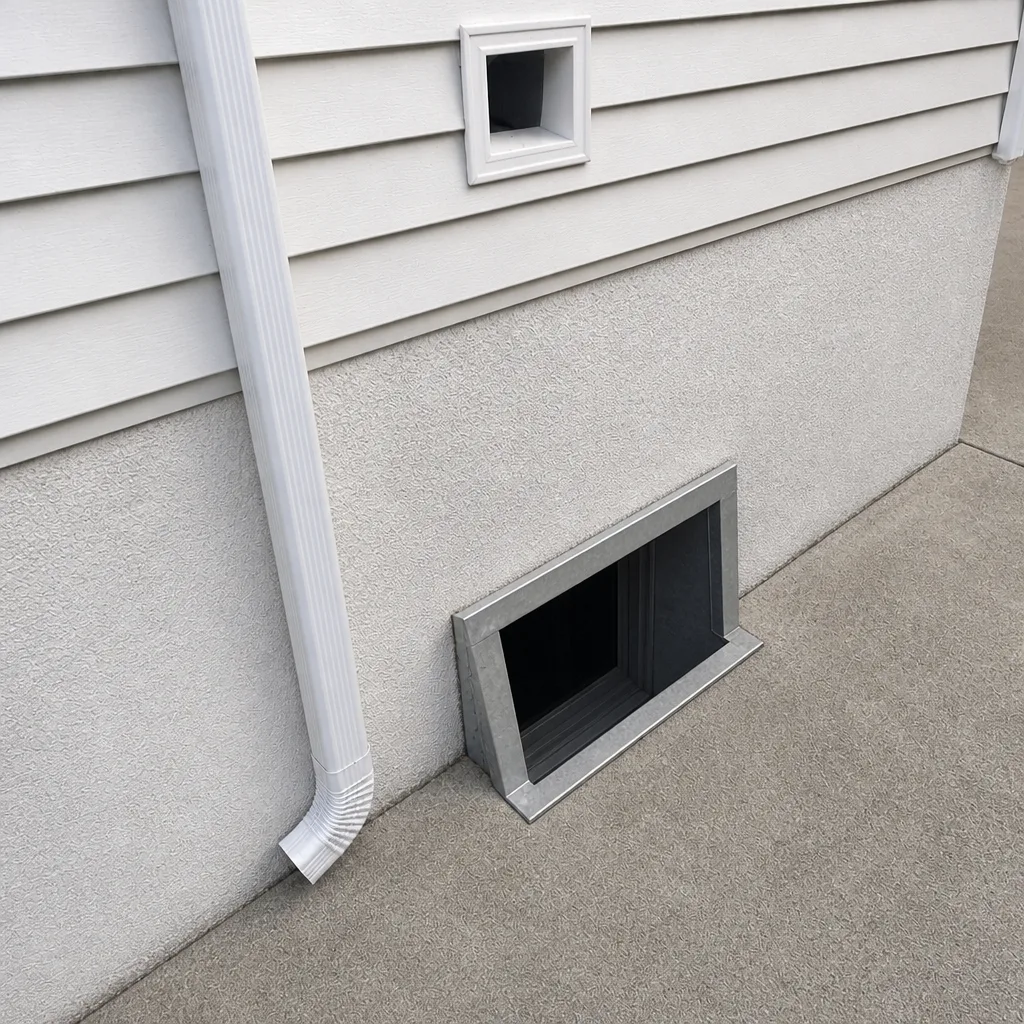 After
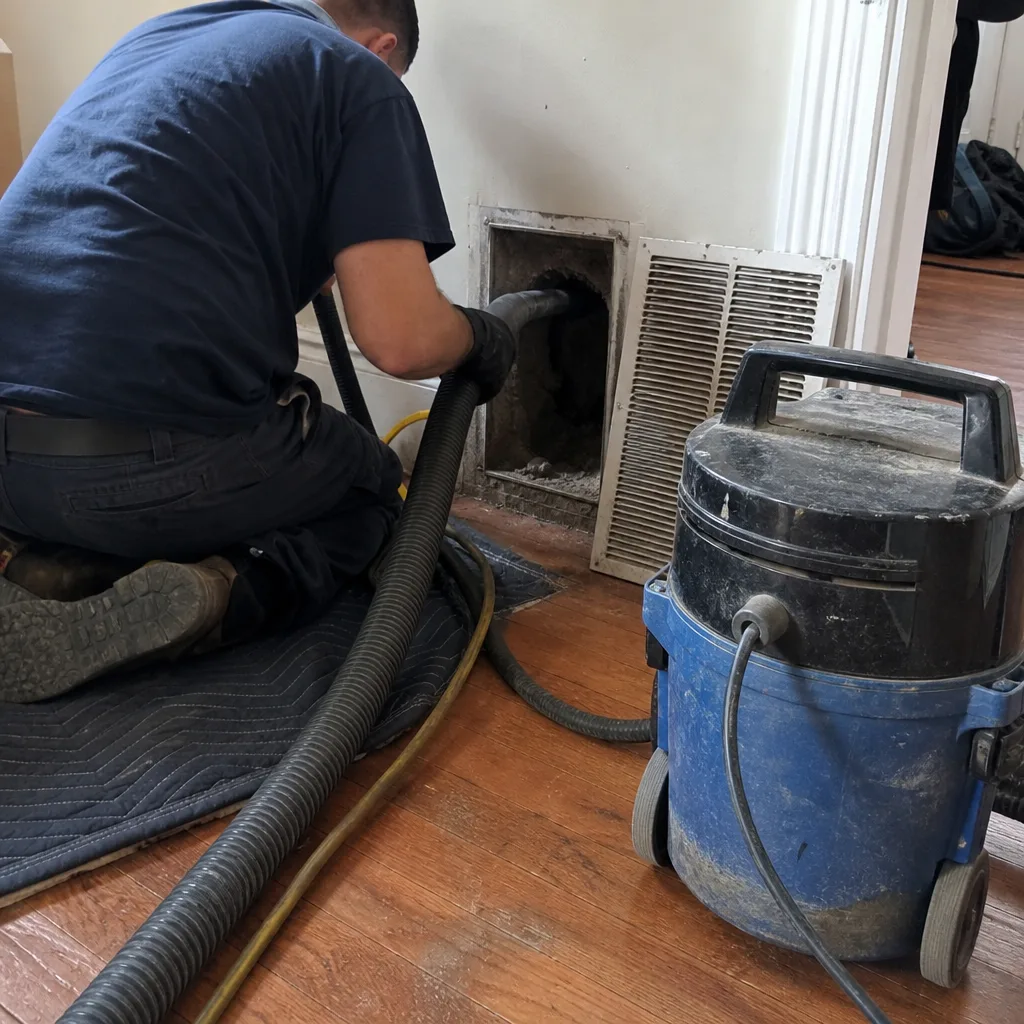 Before
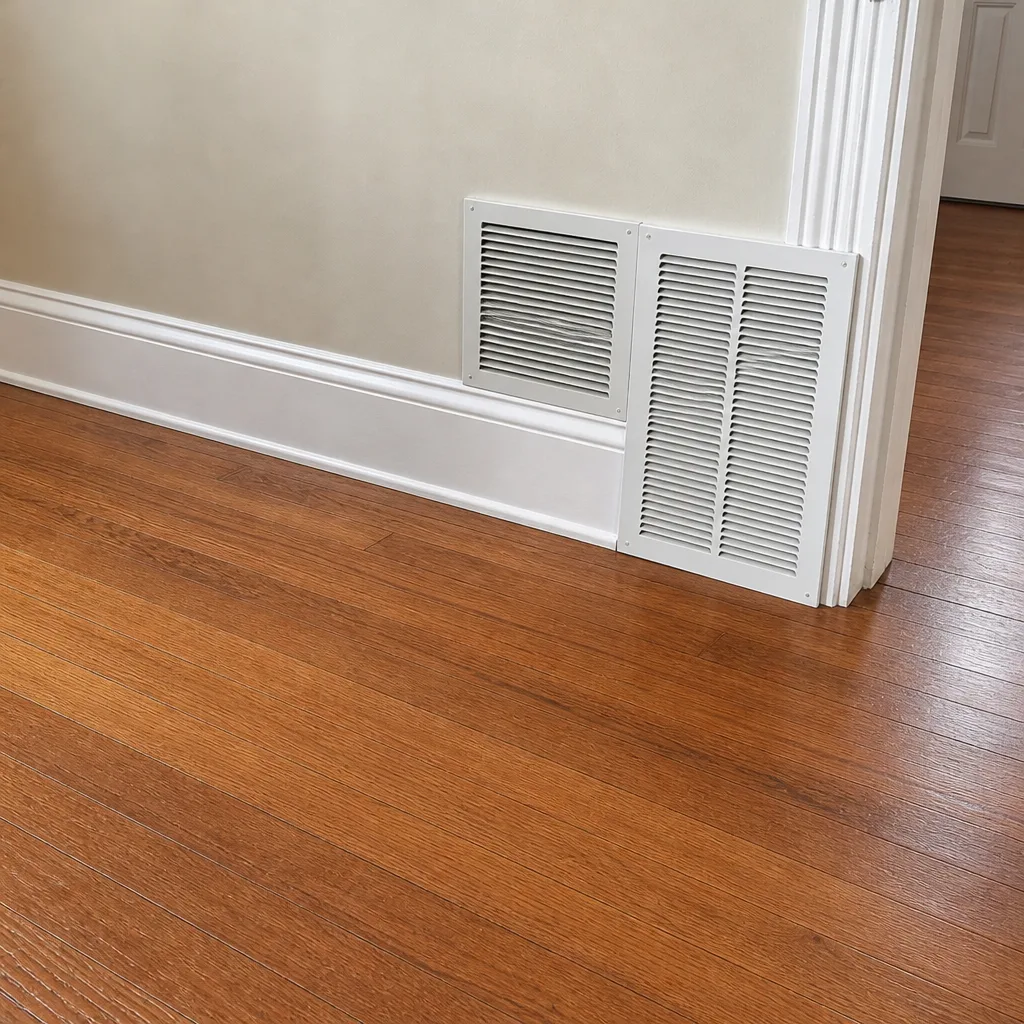 After
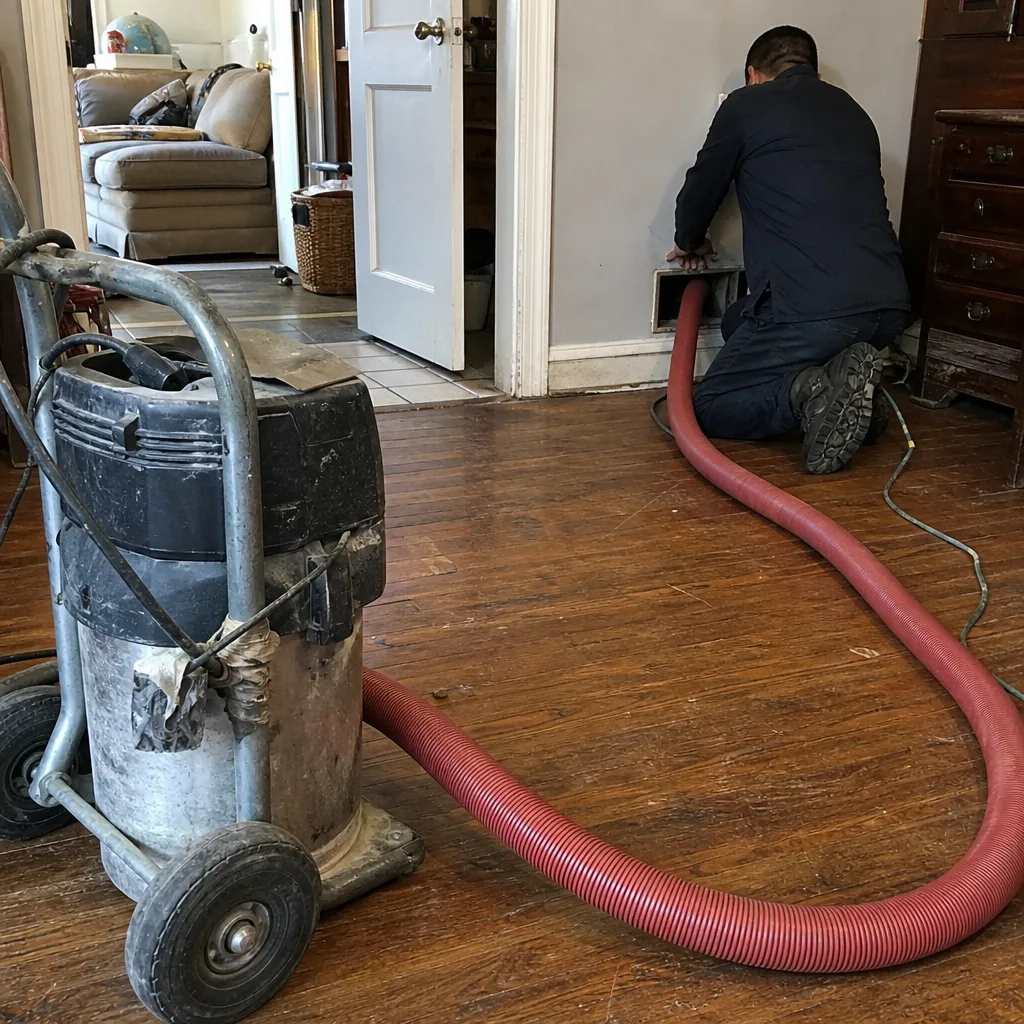 Before
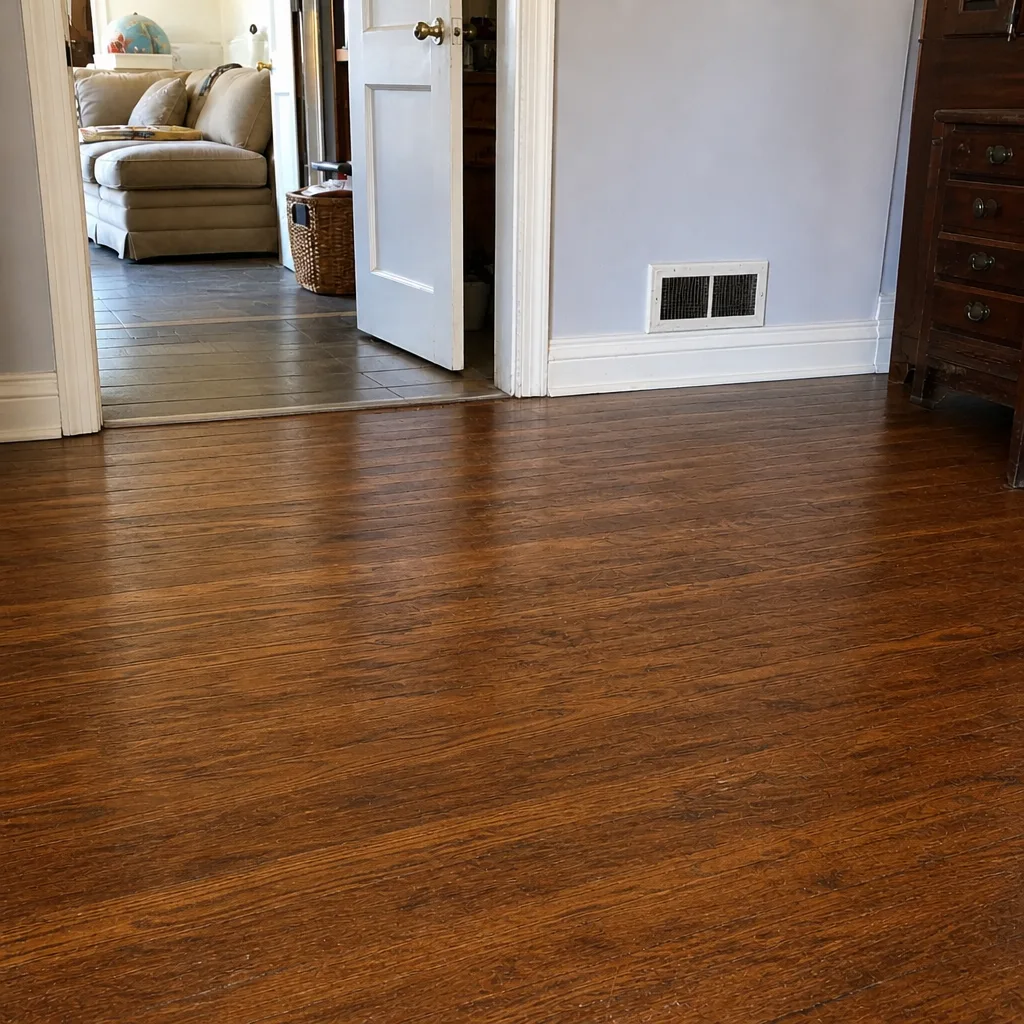 After
Air Duct Cleaning in Flatbush
We’re an indoor-air specialist, not a general HVAC contractor who cleans ducts on the side. Our technicians have up to 14 years of experience, and our work runs on purpose-built systems – Rotobrush and Nikro extraction equipment, Abatement Technologies containment protocols – and covers the whole system, including repair, sealing, and sanitizing after cleaning. We also assess filtration and humidity control using Honeywell and Aprilaire products when that’s part of the answer. Air Duct Cleaning Flatbush focuses on delivering full-system results in Flatbush homes and apartments, not surface-level vent wiping.
When to Call a Professional
Call a professional if you see dust streaks at the returns in a Flatbush home, if a room stays musty no matter how clean it is, if your energy bill has drifted upward without a rate change, or if you’re planning any duct alteration alongside a renovation. Call if you’re buying a pre-1980 Flatbush property and need to know what’s been done, and if you’re a landlord facing a Local Law 55 complaint about indoor allergens. Air Duct Cleaning Flatbush offers free estimates in Flatbush – call (866) 937-8518. We answer 24/7. Fast dispatch from 7am to 7pm, Sunday through Friday, closed Saturday. The estimate is free, and the price is set per job by the written estimate before any work starts.
Frequently Asked Questions
No. Routine cleaning of existing ducts in a Flatbush home requires no NYC Department of Buildings permit, because cleaning doesn’t alter the building’s mechanical systems. A permit becomes necessary when a job involves adding, removing, rerouting, or resizing ductwork under NYC Building Code §1704. If the scope is unclear, ask the contractor in writing what category the work falls into. Call (866) 937-8518 for a free estimate – we’ll tell you straight whether a permit applies to your job.
Yes, in any case where duct wrap, duct board, or joint mastic might contain asbestos. Pre-1980 buildings in Flatbush commonly include duct materials from the era when asbestos was standard, and NYC DEP rules require identifying suspect material before any mechanical disturbance. Duct cleaning is mechanical disturbance. Have the material tested by a licensed asbestos inspector before the cleaning crew touches it. Call (866) 937-8518 and we’ll walk you through the sequence for your building.
Duct cleaning with sanitizing removes mold spores and the organic debris that feeds them, once the underlying moisture source is fixed. Mold remediation is a separate regulated activity under NYC DEP guidance and requires a defined scope, containment, and post-remediation verification. If a duct cleaner offers to remediate mold without a written scope and clearance testing, that’s a red flag. Call (866) 937-8518 to have us assess whether you’re looking at cleaning or remediation.
Pull the property’s permit and inspection record through the NYC Department of Buildings Building Information System using the block and lot from the Department of Finance lookup, and check DOB NOW for current filings. The record shows when mechanical work was permitted, what was inspected, and whether any permits remain open. That history is the first step in understanding the system you’re working with. Call (866) 937-8518 if you need help interpreting what the record means for cleaning scope.
Local Law 55 governs indoor allergen hazards in rental housing, and contaminated duct systems that distribute mold spores or pest allergens through a unit fall within that scope. The property owner is responsible for correcting the condition, and documentation of inspection and correction protects you in the event of a complaint. Call (866) 937-8518 for a free estimate on cleaning with proper containment and documentation.
It’s a different service with a different risk profile. Dryer vent cleaning addresses a fire-safety hazard – dryer vents are a leading cause of residential structure fires in the US – and it’s scheduled as its own service with its own scope. Our dryer vent cleaning is a standalone service that Flatbush property managers often schedule separately from air duct work. Call (866) 937-8518 to book it alongside a duct cleaning estimate.
The Bottom Line
Cleaning ducts in a Flatbush home rarely requires a permit, but the no-permit zone is narrower than it looks. Any alteration of duct layout or duct sizing falls under NYC Building Code §1704 and gets inspected. Pre-1980 buildings in Flatbush carry an asbestos question that testing has to answer before anyone disturbs the duct wrap. Mold remediation is a regulated scope separate from cleaning, and Local Law 55 keeps landlords accountable for indoor allergens in rental units. Pull the DOB record before you hire, ask for the testing documentation on any pre-1980 building, and confirm the scope in writing.
We connect Flatbush homeowners with local pros who use controlled extraction and know the regulatory line. Call (866) 937-8518 for a free estimate. We answer 24/7. Fast dispatch from 7am to 7pm, Sunday through Friday, closed Saturday.
Written by the team at Air Duct Cleaning Flatbush.