
Last updated November 22, 2026
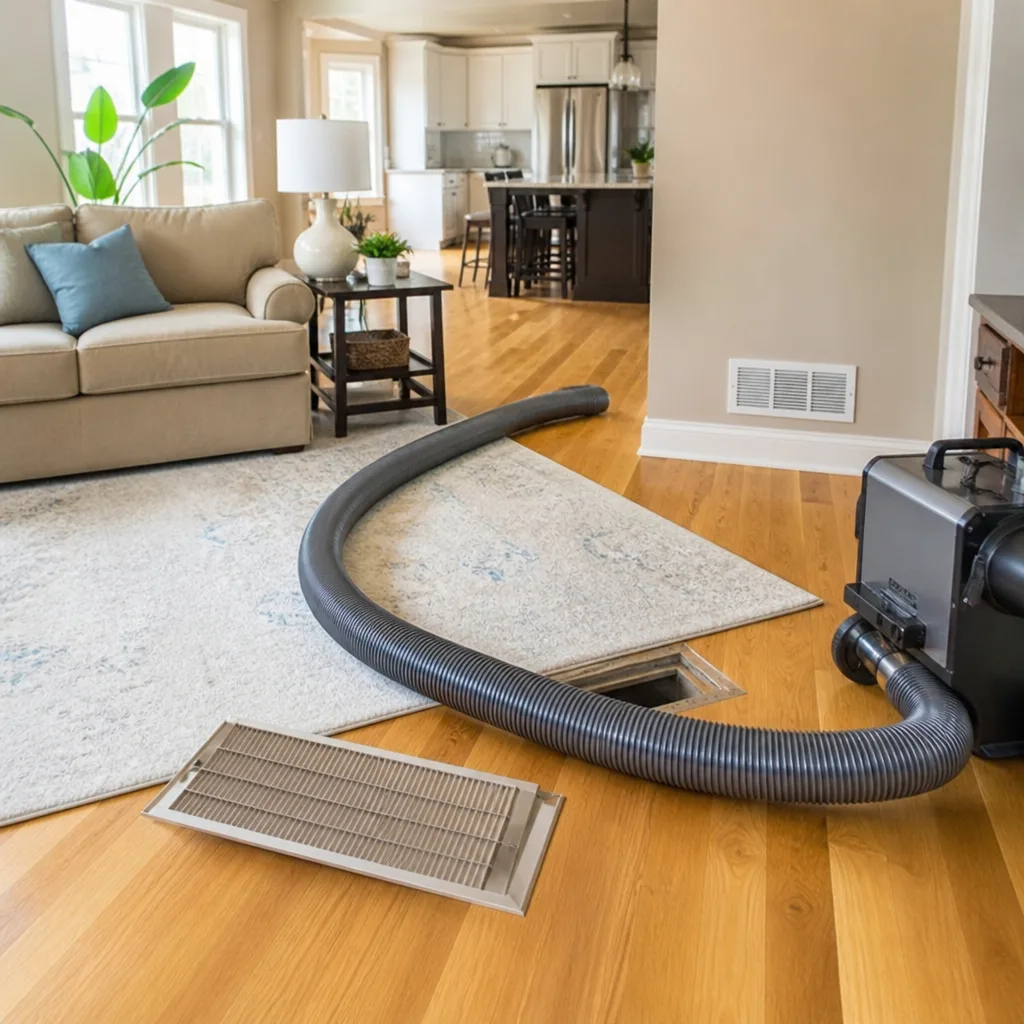 Whole-home duct cleaning
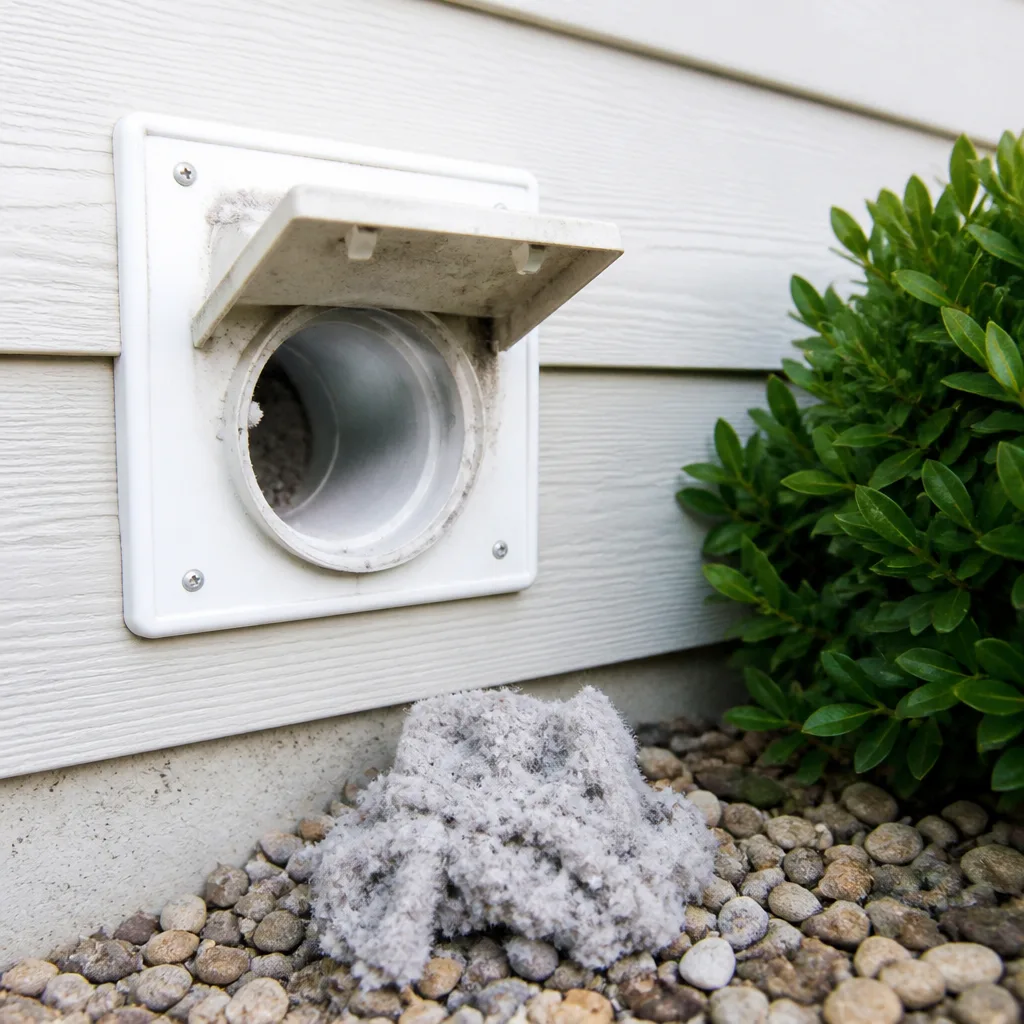 Dryer vent cleaning
 Camera inspection
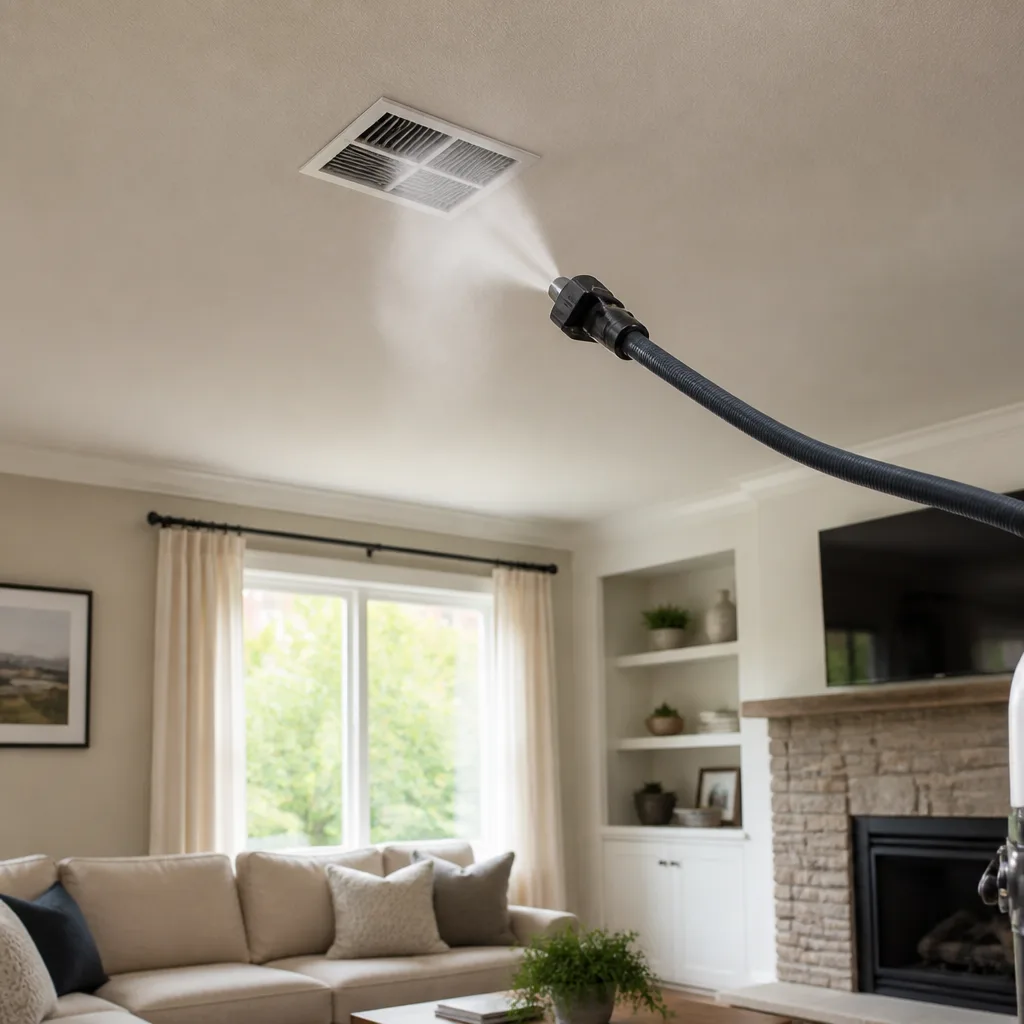 Sanitizing & deodorizing
Whole-system duct and dryer vent check with before-and-after photos - you see exactly what came out of your vents
That "$99 whole-house special" is a bait ad - the real number appears once they are in your hallway, or the "clean" is a shop-vac at the register. We photograph the inside of your ducts before and after instead.
Seasonal Air Duct Cleaning Care for Flatbush: Year-Round Homeowner’s Guide
Most homeowners clean their ducts once, then forget them until something smells wrong. That habit misses the actual problem. Flatbush sits in a climate that runs through four mechanically different HVAC seasons, and each one leaves a different kind of debris inside the same duct system. Spring pushes tree pollen through every return. Summer loads the system with humidity and the moisture problems that come with it. Fall and winter bring the first heat cycle and a stretch of dry indoor air that keeps fine particles airborne far longer than most people expect. Cleaning on a fixed “once a year” schedule ignores all of that. This guide ties each season to a specific duct-care action, with the reason attached, so you know why the timing matters in Flatbush and not just that it does.
Quick Answer
The highest-value time to clean air ducts in Flatbush is late spring, after pollen season peaks and before the air conditioner starts running daily. That window removes the fine pollen load and any leftover heating-season debris before summer humidity turns the system into a moisture trap. Summer calls for moisture checks at the registers, fall calls for an inspection of the supply plenum before the first heat cycle, and winter calls for attention to fine-particle suspension in dry indoor air. Households with allergy sufferers, pets, or recent renovation need tighter intervals than a standard home.
Styles & brands we work with
- Whole-home duct cleaning
- Dryer vent cleaning
- Camera inspection
- Sanitizing & deodorizing
Table of Contents
- Why Flatbush’s Four HVAC Seasons Matter for Your Ducts
- Spring: The Best Cleaning Window in Flatbush
- Summer: Humidity, Condensate, and Registers That Tell You Something
- Fall: The Heating Restart Protocol
- Winter: Dry Air and Suspended Particles
- How Often to Clean, By Household Type
- A Simple Seasonal Inspection You Can Do Yourself
- Common Mistakes to Avoid
- When to Call a Professional
Why Flatbush’s Four HVAC Seasons Matter for Your Ducts
A duct system is not a passive tube. It’s a moving-air pathway that picks up whatever the season has put into the environment and whatever the house is doing to itself. In Flatbush, those two things change sharply four times a year. The climate here swings from cold, dry heating months through a humid summer where the air conditioner runs hard, and it passes through a heavy spring pollen load on the way. Each phase leaves a different residue.
Most generic duct-cleaning advice treats “seasonal” as a marketing word. It isn’t. The contamination logic is real:
- Heating season pulls settled dust from the return side and drives it toward the supply side. Dry air keeps lighter particles suspended longer, so they reach farther into the system before settling.
- Cooling season introduces moisture. The cooling coil condenses water out of the air, and any wetness that works its way downstream into duct liner or joints becomes a place where biological growth can take hold.
- Pollen season loads the returns with fine particles that filtration alone often misses, particularly when filters are the low-efficiency fiberglass type.
- Transition weeks (when the system is mostly off) are when settled debris is most accessible and removal is cleanest, because there’s no steady airflow pushing it back around.
That cycle is why a Flatbush home can be cleaned in the spring and be dirty again by winter if the fall heating restart isn’t handled. The seasons don’t add up to one annual event. They add up to a rhythm, and the Air Duct Cleaning Flatbush approach follows that rhythm rather than a calendar reminder.
A key part of the picture is equipment. Purpose-built duct-cleaning systems, not shop vacs or consumer equipment repurposed for the job, are what make seasonal cleaning actually remove the buildup instead of loosening it. Rotobrush and Nikro systems are designed for the inside of a duct. Add contained extraction using Abatement Technologies negative-air protocols and the dislodged debris is pulled out rather than pushed into the living space during the process. That matters more in a home with a Brooklyn-sized footprint, where a lot of ductwork shares space with the rooms people actually breathe in.
Spring: The Best Cleaning Window in Flatbush
Spring is the highest-value cleaning window of the year in Flatbush, and the reason is mechanical, not promotional. Pollen season fills the outdoor air with fine particles, the returns pull some of that into the system, and then the air conditioner is about to start running every day for months. Cleaning between those two events removes the pollen load before cooling-season moisture has a chance to bind it to duct surfaces.
Do it in the order below. This is the sequence that makes the cleaning count:
- Wait for pollen to peak, then act. Cleaning before the peak means the ducts are re-loaded almost immediately. Cleaning after it captures the full season’s accumulation.
- Inspect the returns first. Return grilles collect the heaviest load because they sit on the suction side. Dirty returns in spring usually mean dirty everything downstream.
- Clean the full system, not just what you can see. Wiping grilles is a surface job. air duct cleaning that reaches the plenum, trunk lines, and branch runs removes what the grilles are a symptom of.
- Check filter fit before restarting. A filter that sits loose in its frame lets air bypass it entirely. Replace undersized or sagging filters with properly sized ones before the cooling season begins.
- Confirm the blower compartment is clean. A dirty blower wheel throws dirt back into the airstream no matter how clean the ducts are.
One local wrinkle: Flatbush has plenty of homes where the return is undersized for the room count. Those systems pull harder and load faster, so the spring cleaning window is more important, not less. If your returns look dark and matted by April, the system is telling you it wants attention before June.
Spring is also the point where a filtration upgrade pays for itself in a hurry. Honeywell and Aprilaire filtration products are designed to catch a finer particle load than a standard fiberglass filter, and the pollen season is exactly the stretch where that difference shows up. Our technicians can assess what your filter setup can actually handle before recommending a change.
Summer: Humidity, Condensate, and Registers That Tell You Something
Summer is when moisture becomes the story. The air conditioner’s cooling coil pulls water out of the air, and in a humid Flatbush summer it does that constantly. Usually that water drains away correctly. When it doesn’t, some of it finds its way into the supply ducts, and duct liner, insulation, and joint tape are exactly the materials that hold moisture and grow things.
You don’t have to open a duct to notice early signs. Look at the registers:
- Damp or cool-feeling register surfaces when the system is running can point to condensate or insulation problems upstream.
- Musty smell from specific registers, rather than the whole house, usually means a localized wet spot rather than a system-wide issue.
- Visible dark spotting or staining around a register frame is worth investigating immediately rather than next season.
- Water marks on ceilings or walls below duct runs point to condensate escaping the system.
What to do about moisture in summer is less about cleaning and more about control. HVAC cleaning during or after a humid season should include the coil and drain pan, because a dirty coil holds water differently than a clean one and a clogged drain line backs moisture up into the unit. An air-quality and sanitizing step after cleaning addresses the surface condition left behind, and it’s the right order: clean first, sanitize second. Sanitizing a dirty duct just coats the dirt.
Humidity management belongs in the same conversation. Aprilaire humidity products can hold indoor relative humidity in a range where condensation on cool duct surfaces and register hardware is less likely. That’s the “air you can measure, not just feel” part of the job. You can watch a hygrometer and see whether the change actually worked.
A warning worth repeating: if you suspect mold growth inside the duct system or see it behind a register, don’t try to scrub it out yourself. Disturbing it without containment sends spores through the house. A trained professional can assess it with negative-air equipment in place so the air you breathe during the work stays clean.
Fall: The Heating Restart Protocol
Fall is the season most homeowners skip, and it’s the one that quietly sets up the whole winter. The system hasn’t run its heating cycle in months. Dirt has settled, the plenum may have collected debris, and there may be gaps in the ductwork that were invisible while the system was mostly idle. The first heat cycle pushes all of it through every room in the house.
Before you run the heat for the season, work through this:
- Inspect the supply plenum visually. This is the box at the furnace or air handler where the supply ducts begin. Any debris, loose insulation, or visible gaps here should be noted before startup.
- Check duct connections at the plenum. Loose joints at the plenum are common and they leak warm air into unconditioned space. Sealing them is a repair job, not a cleaning job, and the two should be done together.
- Look for disconnected or crushed flex duct. A crushed run behind drywall or in a ceiling void isn’t delivering air to the room at all. It’s worth finding before winter.
- Clean the system if the spring cleaning was skipped. Running heat through a system that still holds spring pollen and summer moisture is the worst combination of the year.
- Replace the filter and check the blower. A clean filter and blower give the heating season the best starting condition.
This is where duct repair and sealing earns its place. Cleaning a system with open joints is temporary, because gaps let airborne debris back into the ductwork and pull conditioned air out of it. HVAC cleaning includes the equipment itself, but the ducts around it need the same attention. Sealing closes the entry points. Cleaning removes what’s already inside. Doing one without the other in a Flatbush home often means repeat work.
Fall is also dryer vent season by common sense. The dryer runs more in cold months as heavier clothing goes in, and lint buildup in the vent is a fire risk, not just a maintenance item. A standalone dryer vent cleaning appointment is worth scheduling in the same window as the heating restart, since both involve the same mechanical room or closet in many Flatbush homes.
Winter: Dry Air and Suspended Particles
Winter changes the physics. Cold outdoor air holds very little moisture, and when it’s heated indoors its relative humidity drops. Dry indoor air keeps fine particles suspended much longer than humid air does, because there’s less moisture to weigh them down. So the dust that would settle in summer keeps drifting, and it lands on every surface in the house, some of it after passing through the duct system first.
The interaction with duct debris is straightforward. Dry air keeps lighter particles airborne longer, so they travel farther through the ductwork and reach more rooms. If the duct system has a layer of settled material, some of it re-suspends every time the blower cycles. That’s why a Flatbush home can feel dusty all winter even when the filter is fresh.
Winter cleaning isn’t usually the full system job you’d do in spring. It’s more targeted:
- Registers and returns should be checked and wiped down as they collect the winter’s circulating load.
- Filter condition matters more in winter because a loaded filter restricts airflow and stresses the blower. Check it monthly rather than seasonally.
- Humidification changes the particle picture. Honeywell humidification products can hold indoor humidity in a range where fine dust settles instead of floating.
- Static and dry-air discomfort in winter often has a humidity answer as much as a cleaning answer, and both are worth discussing together.
If a home has young children, elderly residents, or anyone with asthma or allergy conditions, winter is when the suspended-particle effect shows up most clearly in how people feel. That’s a signal to tighten the schedule, not just turn up the humidifier.
How Often to Clean, By Household Type
“Once a year” is the generic advice, and it’s too simple. Frequency should follow contamination rate, and contamination rate depends on the household. Here’s how to think about it, tiered by household type:
Standard residential home
One full-system cleaning a year, timed to late spring, covers most Flatbush homes with no pets, no allergy concerns, and no recent renovation. A check at the fall heating restart catches anything the spring clean didn’t address.
Households with allergy or asthma sufferers
Twice a year is a reasonable minimum: once in late spring after pollen, once in fall before the heating cycle. The particle load matters more in these homes, and the timing should favor the two transition windows when airborne contamination is highest going in. A filtration upgrade to a Honeywell or Aprilaire system is usually worth discussing alongside the cleaning schedule.
Households with pets
Pet dander and hair load the returns faster than a standard home, so expect the return side to need attention earlier in the season. Twice a year is a common starting point, with a register check mid-season to see whether the load justifies more.
Homes with recent renovation
Construction dust and drywall fines are different from household dust. They’re heavier, finer, and they get into every branch run. Clean after the renovation is finished and the fine dust has had time to circulate, not during. Then reassess after the next full season to see whether a second pass is needed.
Property managers and multi-unit buildings
Interval depends on tenant density, whether units share ductwork, and how often filters are changed. A seasonal check rather than a fixed interval usually works better, because it catches the units that load faster rather than treating them all the same.
A Simple Seasonal Inspection You Can Do Yourself
You don’t need to open ductwork to know roughly how a system is doing. This four-step check takes about fifteen minutes per season and tells you when to call for a proper look. Do it at the season transitions.
- Look at the return grilles. Remove the grille cover (they usually lift out or unscrew) and look at the visible duct behind it. Light dust is normal. A matted, dark, or visibly coated surface means the system is loading faster than it’s being cleaned.
- Smell each room’s supply register with the system running. A neutral, slightly warm or cool smell is normal. Musty, stale, or chemical odors from one register point to a localized issue. Odors from every register point to a system-wide one.
- Check the filter and note the type. Fiberglass is minimum protection. Pleated filters catch more. A filter that’s visibly loaded within a month is telling you the system is carrying more debris than the filter can handle.
- Check the condensate drain in summer. Look for standing water in the drain pan or near the unit. A slow or clogged drain is the most common cause of moisture reaching ductwork.
If any of the four steps turns up a red flag, don’t wait for the next season. A quick assessment is better than letting a small issue run for months. The air duct cleaning side of the business exists precisely to handle what these checks uncover.
Common Mistakes to Avoid
- Cleaning once and considering it done. A Flatbush home that’s cleaned in spring and never touched again by fall enters the heating season with a full summer’s worth of moisture and pollen load. The seasons reset the problem, so the schedule has to reset too.
- Wiping grilles and calling it cleaned. Grille cleaning doesn’t touch the plenum, trunk, or branch runs, which is where the actual contamination sits. It looks clean and behaves dirty, and the difference shows up in the dust in the rooms.
- Skipping the fall heating restart. Many homeowners only think about ducts in hot weather. The first heat cycle is when the biggest single push of debris into living space happens, and it’s entirely avoidable with a fall inspection.
- Using shop vacuums or consumer equipment inside the ducts. A shop vac stirs up material that a purpose-built system would contain. Rotobrush and Nikro equipment exist because improvised tools don’t handle ducts well, and Abatement Technologies containment prevents the debris from ending up in the room.
- Ignoring loose duct joints because air still comes out. A leaky joint can still deliver air and still waste energy. Sealing it closes the loop that re-contaminates a freshly cleaned system.
- Delaying the dryer vent because it seems unrelated. Lint buildup in the vent is a fire risk, not a maintenance item, and it doesn’t care what season it’s in. Scheduling it alongside seasonal duct work is the easiest way to not forget it.
- Choosing a quote based only on which one sounds cheapest without understanding the scope differences. A lower quote may describe a surface-only job. The honest comparison is scope against scope: plenum, trunk, branches, containment, and whether repair and sealing are included or extra. Ask what the quote actually covers before comparing the number.
When to Call a Professional
Some jobs belong on your own checklist. Others shouldn’t be touched without proper equipment. Call a professional if you find visible mold growth inside the ductwork or behind a register, if there’s persistent musty odor from any part of the system, if you notice moisture or staining near ducts, if a renovation just finished and construction dust has circulated through the system, or if your seasonal checks keep turning up a loaded filter within weeks. The same applies if you’ve never had the system cleaned and you don’t know its history, since the first cleaning often reveals repair issues that weren’t obvious from outside.
A trained technician with containment equipment can inspect without spreading contamination and identify what actually needs doing rather than guessing. Air Duct Cleaning Flatbush offers free estimates in Flatbush – call (866) 937-8518. Our technicians have up to 14 years of experience, and the local professional we connect you with is licensed and insured as their state requires. We answer 24/7, with fast dispatch from 7am to 7pm, Sunday through Friday.
See the difference
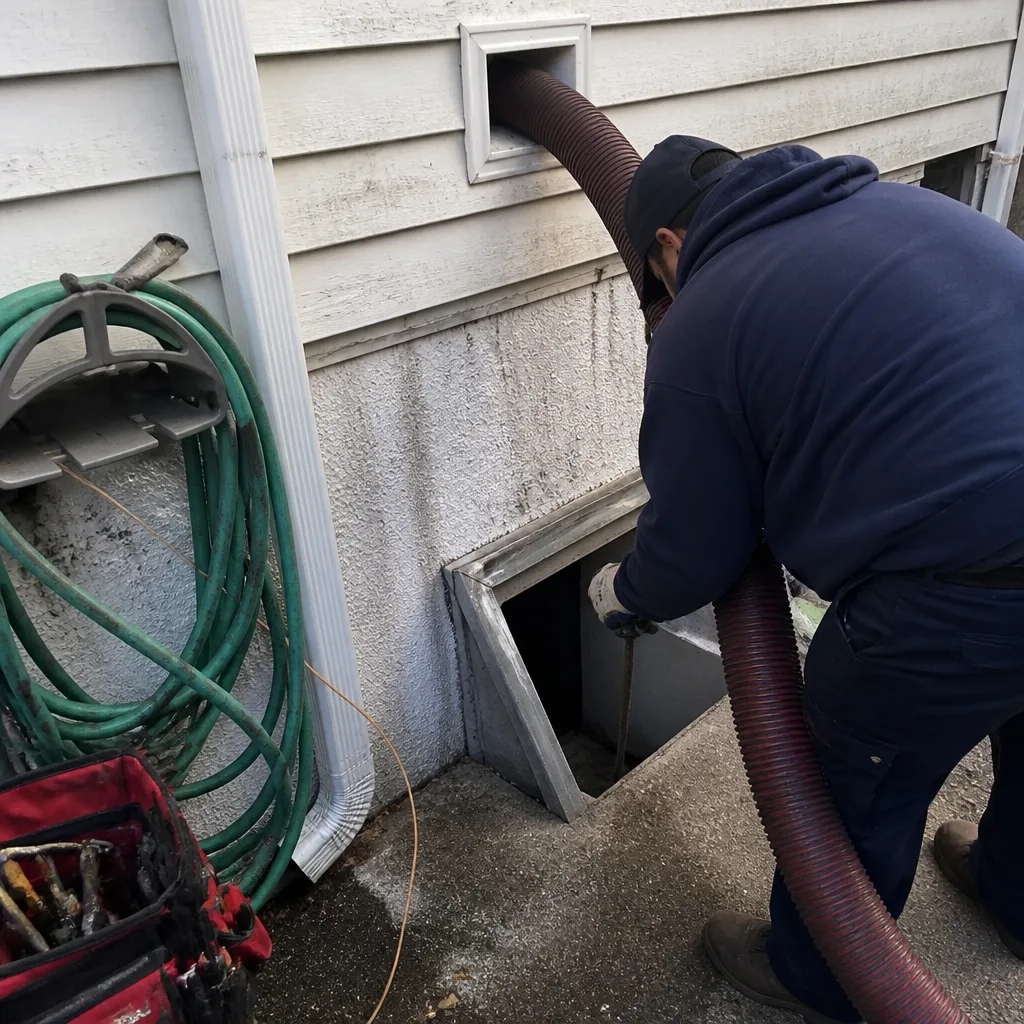 Before
 After
 Before
 After
 Before
 After
Frequently Asked Questions
Late spring, after pollen season peaks and before the air conditioner runs daily, is the highest-value window in Flatbush. That timing removes the pollen load and the heating-season debris before summer humidity has a chance to bind it to the duct surfaces. A second, lighter inspection at the fall heating restart catches what the spring clean missed. Call (866) 937-8518 to schedule around that window – estimates are free.
For a standard Flatbush home with no pets, allergy concerns, or recent renovation, once a year on the late-spring schedule is usually enough. Homes with pets, allergy or asthma sufferers, or recent renovation generally need a tighter interval, often twice a year. The right answer follows the household, not a fixed calendar rule. Call (866) 937-8518 for an assessment of what your home actually needs – estimates are free.
A lower quote usually describes a smaller job. Surface-only grille wiping, shop-vac equipment, and no containment produce a number that looks lower but doesn’t reach the plenum, trunk, or branch runs. The honest comparison is scope against scope: whether the full system is covered, whether containment equipment is used, and whether repair and sealing are included. Ask what the quote covers before comparing totals. Call (866) 937-8518 to talk through scope – estimates are free.
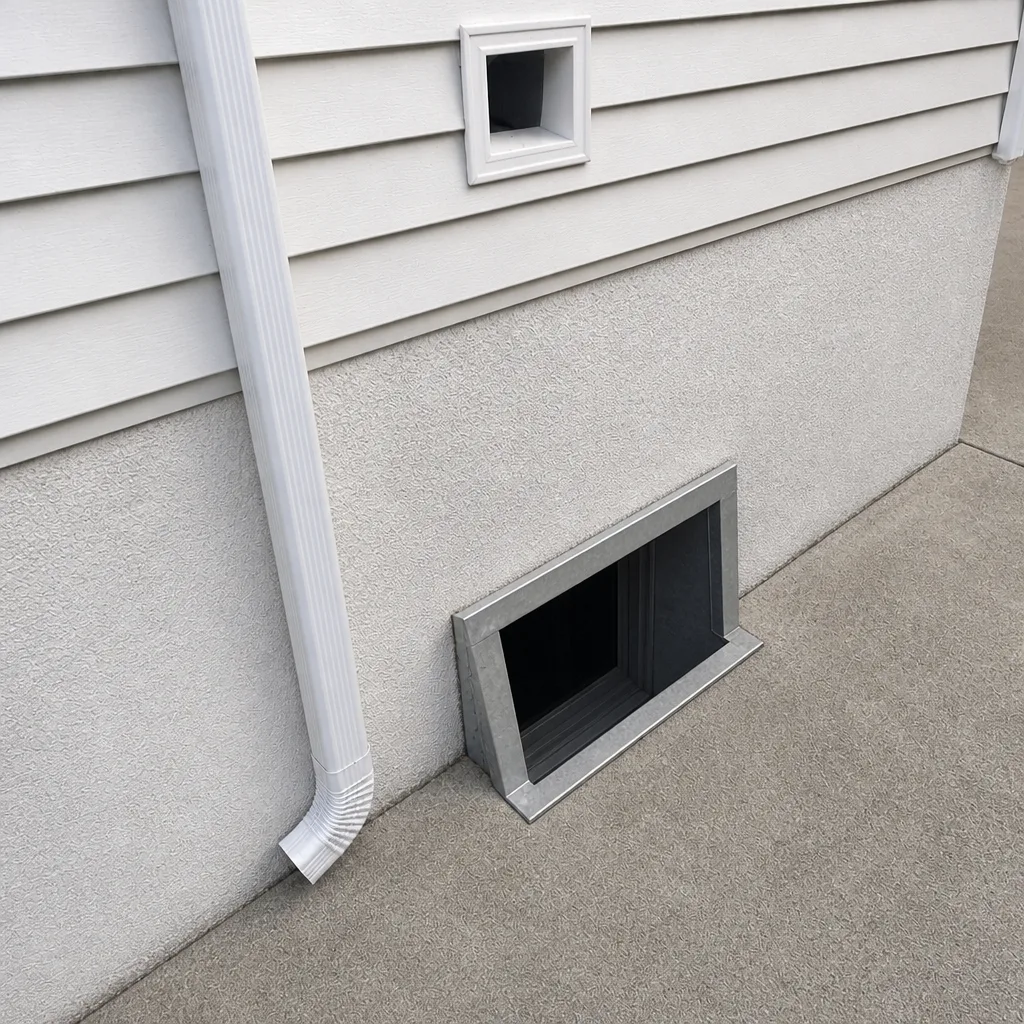
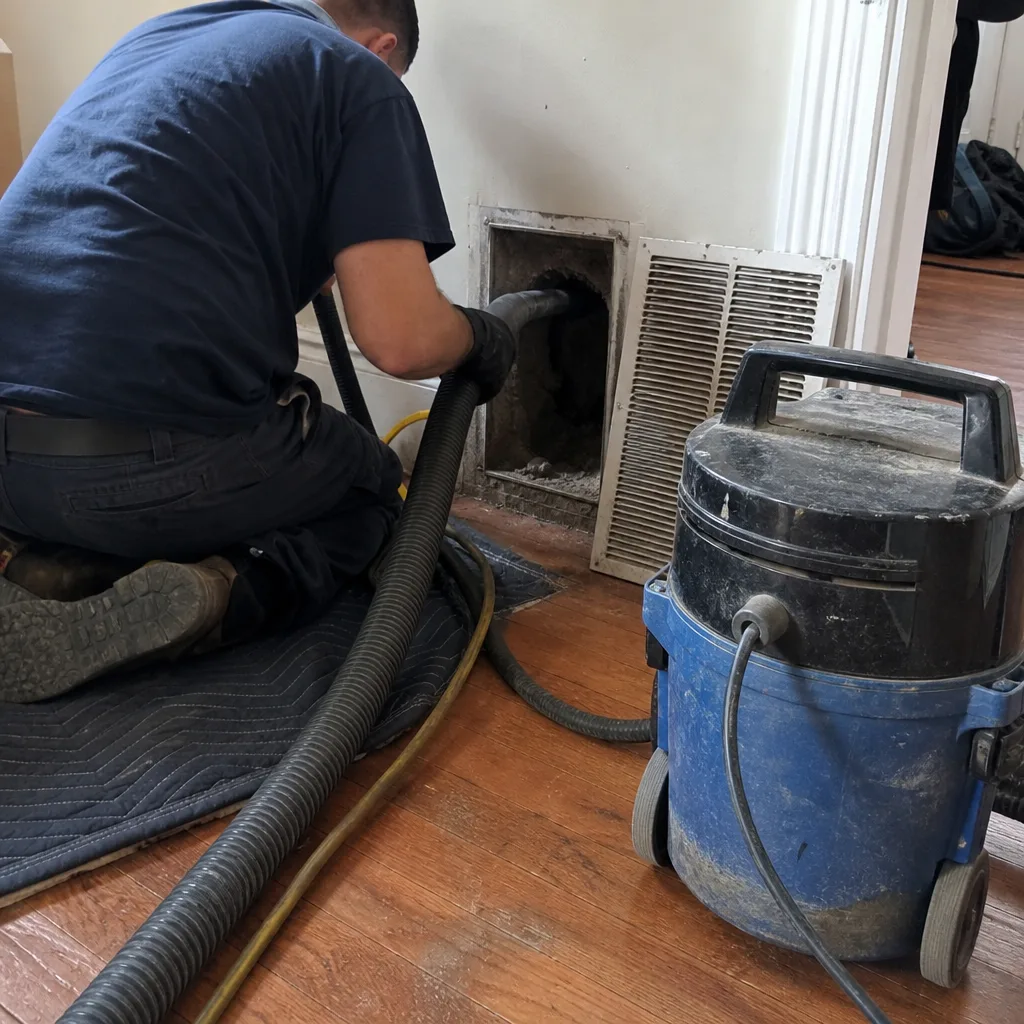
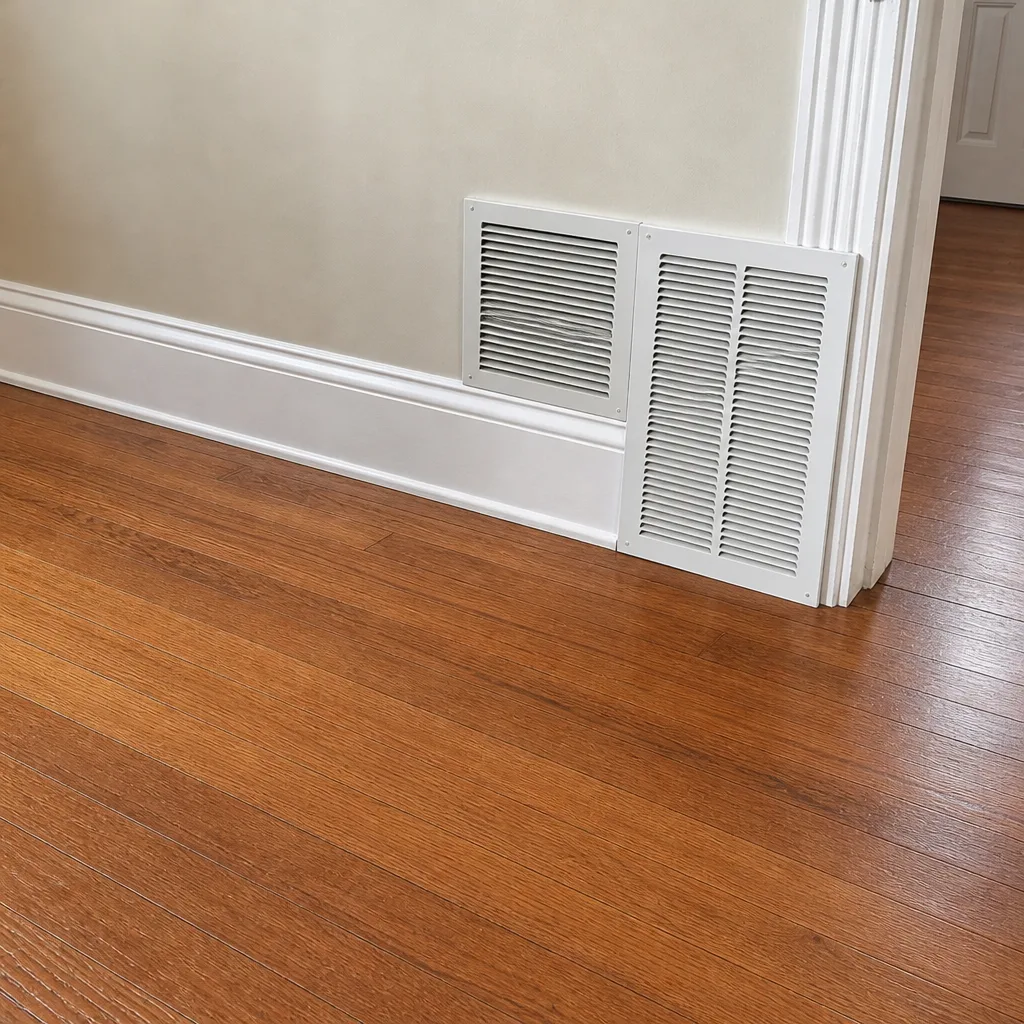
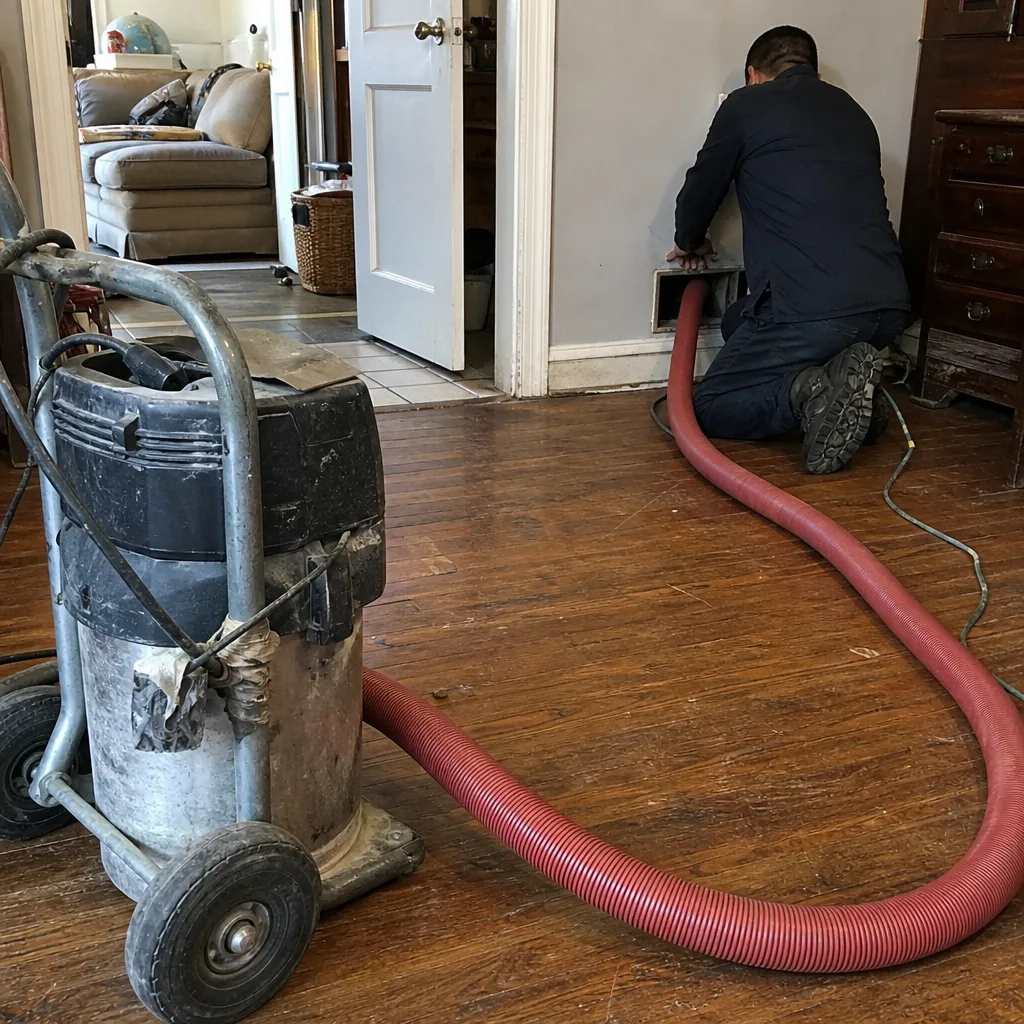
Ask for before-and-after photos of your own ducts and registers, not stock images. A proper job with containment equipment leaves visible evidence of what came out and what’s left inside. If a company can’t show you what changed, that’s a reason to ask more questions. Call (866) 937-8518 for a free estimate that explains exactly what the work includes.
Yes, though most of the time it doesn’t. The cooling coil pulls moisture out of the air, and when the drain line clogs or the coil gets dirty, some of that moisture reaches the supply ducts. Duct liner and joint tape hold it. Damp registers, musty smells from specific vents, and staining around register frames are the early signs worth investigating. Call (866) 937-8518 if you see them – estimates are free.
It’s a separate service and a different fire-safety issue. Dryer vent lint buildup is a direct fire risk, so it deserves its own appointment rather than being folded into a duct cleaning. Scheduling both in the same season is the simplest way to keep it on the calendar. Call (866) 937-8518 to book both – estimates are free.
The Bottom Line
Flatbush’s climate gives the home HVAC system four distinct seasons of exposure, and the cleaning schedule should follow that contamination logic rather than a generic annual reminder. Late spring is the highest-value cleaning window because it sits between pollen peak and daily air conditioning. Summer needs moisture checks at the registers. Fall needs a heating restart inspection before the first heat cycle. Winter needs attention to fine particles suspended in dry air, and humidity management to settle them. Match the frequency to the household: standard home once a year, allergy or pet households twice, post-renovation homes after the dust has circulated. Clean, seal, and control humidity together, because doing one without the others is repeat work.
If you’d rather have a trained eye on the system than guess at its condition, call Air Duct Cleaning Flatbush at (866) 937-8518 for a free estimate. We answer 24/7, with fast dispatch from 7am to 7pm, Sunday through Friday. air duct cleaning gives you a clear picture of what the seasons have left behind, and what to do about it. We also handle dryer vent cleaning and HVAC cleaning in the same visit when it makes sense, and we connect you with local professionals who are licensed and insured as their state requires. The flat price per system is agreed before work starts, so there are no surprises once the equipment is running, and you’ll see before-and-after photos of your own ducts when the job is done.
Written by the team at Air Duct Cleaning Flatbush.