
Last updated November 22, 2026
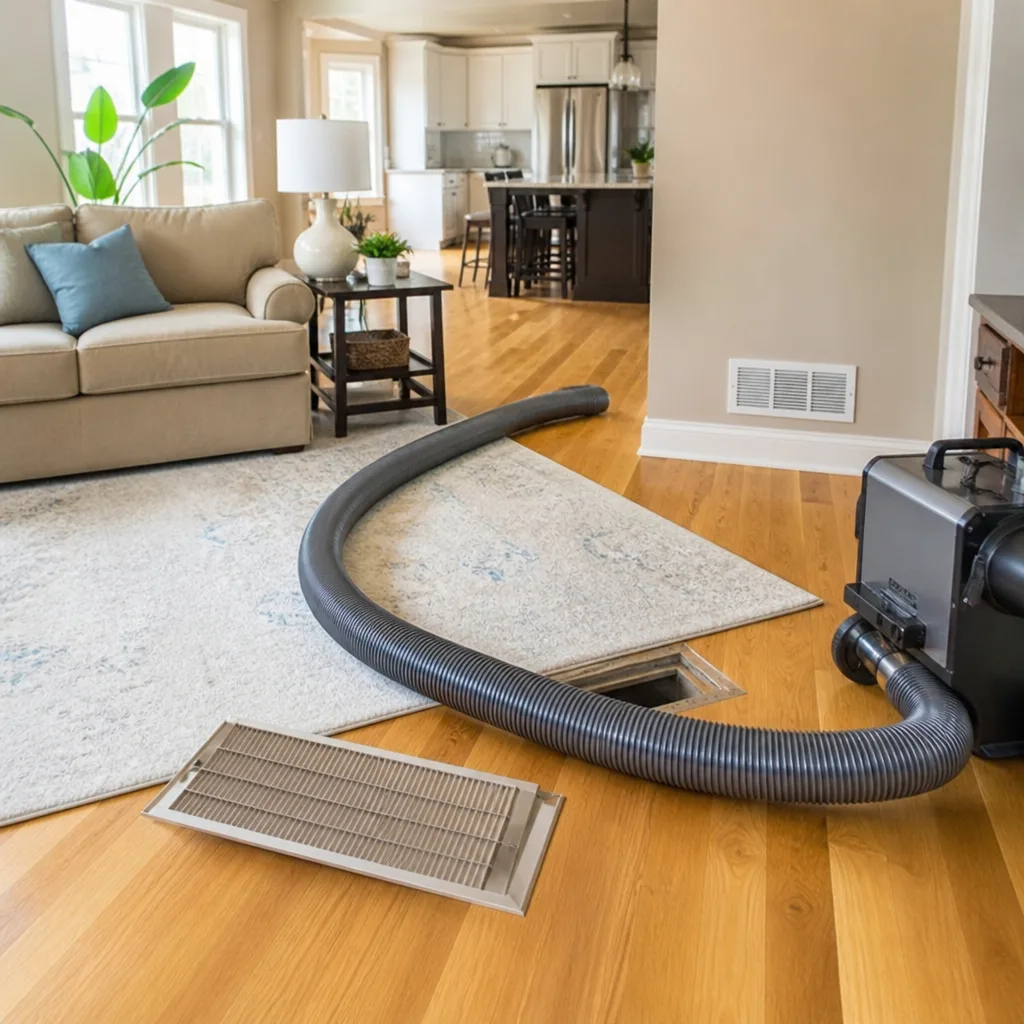 Whole-home duct cleaning
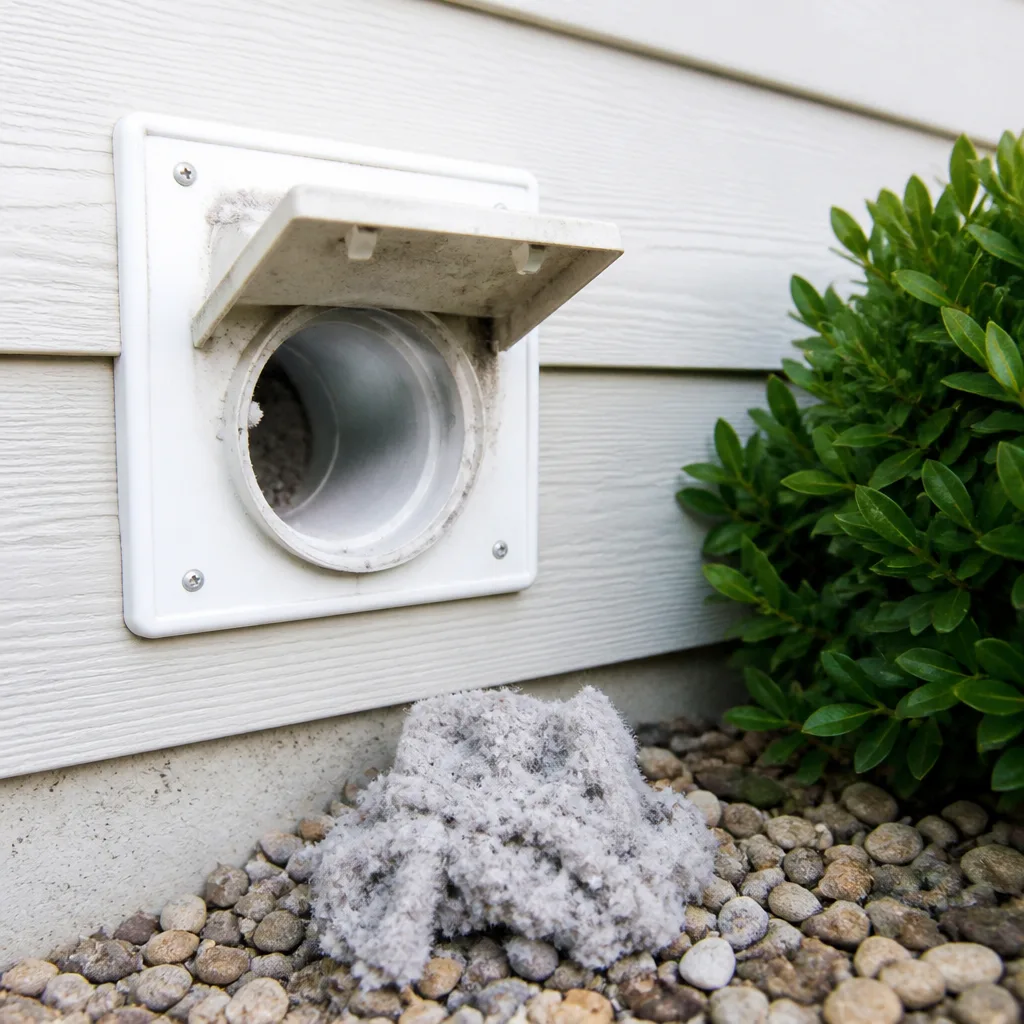 Dryer vent cleaning
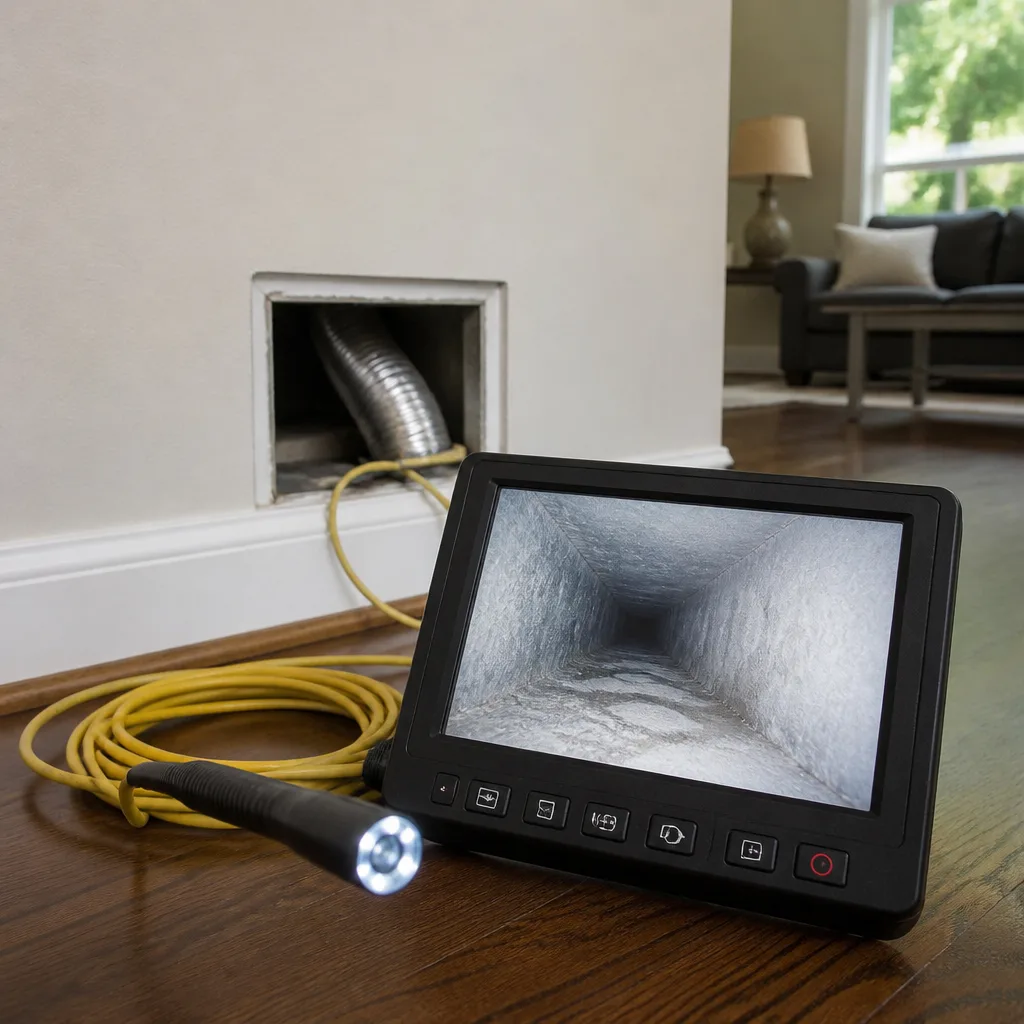 Camera inspection
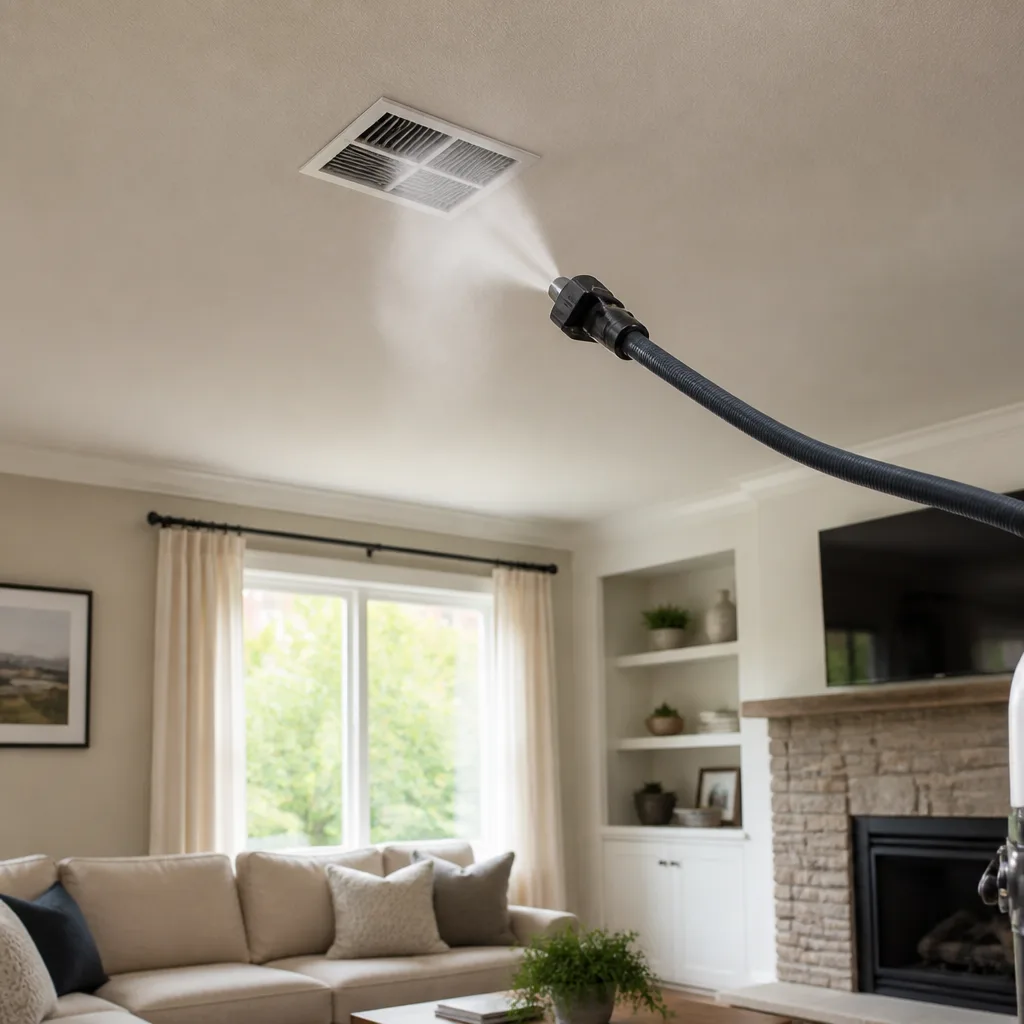 Sanitizing & deodorizing
Whole-system duct and dryer vent check with before-and-after photos - you see exactly what came out of your vents
That "$99 whole-house special" is a bait ad - the real number appears once they are in your hallway, or the "clean" is a shop-vac at the register. We photograph the inside of your ducts before and after instead.
How to Hire an Air Duct Cleaning Contractor in Flatbush: A Step-by-Step Guide
Most hiring guides tell you to check for a license, read reviews, and get three quotes. That advice won’t protect you. A contractor can carry every credential in Brooklyn and still walk into your Flatbush apartment with a shop vac and a hose, stir up years of settled debris, and leave the fine particulate to resettle on your furniture and into your lungs. Disturbing contamination without full extraction is worse than leaving it alone. So the question we want you to carry into every conversation isn’t “are you licensed?” It’s “what specific equipment will you bring into my home?” The answer tells you almost everything.
Quick Answer
To hire an air duct cleaning contractor in Flatbush, verify three things before you book: the negative-pressure vacuum (ask for the unit name and its CFM rating), the agitation method (rotary brush or air whip, matched to duct material), and the filtration standard (HEPA containment, not standard filtration). Then confirm the written scope of work covers every supply and return, sealing of any gaps found, and before-and-after photography. If a contractor can’t name their vacuum unit and brush system on the spot, keep calling.
Styles & brands we work with
- Whole-home duct cleaning
- Dryer vent cleaning
- Camera inspection
- Sanitizing & deodorizing
Table of Contents
- The Three Equipment Questions to Ask Before You Book
- What NADCA ACR Compliance Actually Requires
- What a Legitimate Pre-Job Walkthrough Looks Like
- Red Flags Specific to Brooklyn and Flatbush Contractors
- Contract Language Checklist Before You Sign
- Cleaning Is Only Half the Job: Repair, Sealing, and Sanitizing
- Why the Dryer Vent Belongs in the Same Conversation
- How to Verify the Work After It’s Done
The Three Equipment Questions to Ask Before You Book
This is the whole guide in one section. Ask these three questions on the phone, before anyone schedules a visit. A crew that cleans ducts for a living answers them in seconds. A general HVAC outfit that cleans ducts “on the side” typically stumbles.
1. What negative-pressure vacuum unit will you use, and what is its CFM rating?
CFM means cubic feet per minute, the volume of air the unit moves. The vacuum holds your duct system under negative pressure so loosened debris travels toward the collection unit instead of puffing out through the registers into your rooms. Ask them to name the machine. Professional duct-cleaning systems are built for this single purpose and move far more air than any repurposed shop vac. Rotobrush and Nikro both make equipment designed only for duct work. When a crew can name their unit and explain how it connects to the system, you’re talking to specialists. When the answer is vague, you’ve learned what you needed to know.
2. What agitation method will you use in my ducts?
Vacuum alone doesn’t break the bond between caked debris and the duct wall. You need agitation, and the method should match the duct material:
- Rotary brush systems work well in rigid sheet-metal ductwork common in older Flatbush apartment buildings, where decades of settled dust cling to the interior walls.
- Air whips and skipper balls are typically used in flexible duct runs where a stiff brush could tear the liner.
- Hand brushing and HEPA vacuuming around the registers and boots where the system meets the room.
A one-method contractor either doesn’t know your duct type or plans to use the same tool on everything. Both are a problem.
3. What is your filtration and containment standard?
HEPA filtration captures far finer particles than standard filtration, and containment equipment keeps dislodged debris from migrating into your living space while the work happens. We use Abatement Technologies containment equipment for exactly this reason: the moment debris is loosened, it has somewhere to go besides your sofa. Ask what they use. If the answer is “the vacuum filters it,” press for the standard.
What NADCA ACR Compliance Actually Requires
You’ll see “NADCA certified” on a lot of Brooklyn contractor sites. The standard behind the acronym is worth understanding, because it’s frequently stretched to mean more than it does.
NADCA is the National Air Duct Cleaners Association, and the ACR standard is its Assessment, Cleaning, and Restoration guideline for HVAC systems. It sets a process discipline: assess the system before cleaning, clean the entire system rather than a sample of it, and restore any component the cleaning disrupted (seals, connections, access points). NADCA membership is a trade association affiliation; certification is a separate credential tied to an exam, and neither one is the same as a government license. The ACR standard is a professional practice guideline, not a law that a contractor can be cited for breaking. Knowing that distinction saves you from being sold a version of ACR that doesn’t exist.
How to use it as a vetting tool:
- Ask whether the contractor follows the NADCA ACR standard, and ask them to describe what that means in practice.
- Listen for the words “assess,” “whole system,” and “restore.” Those are ACR concepts.
- Ask to see documentation that the walkthrough and before-photography happened. A contractor citing ACR should be able to show the assessment it required.
- Don’t treat membership alone as proof. A general contractor can belong to a trade group. Equipment, method, and scope are the harder tests.
If a contractor claims certification but can’t explain what the standard requires, that’s not disqualifying by itself, but it means the credential isn’t doing any work for you. Fall back on the equipment questions and judge from the answers.
What a Legitimate Pre-Job Walkthrough Looks Like
A professional duct-cleaning visit opens with assessment, not a quote written on a clipboard in the hallway. Watch what happens in the first ten minutes, because it tells you how the next three hours will go.
We’ve seen the difference between a walkthrough and a sales pitch. Here’s what a real one includes:
- Access point identification. The technician locates every supply register, every return, and the air handler. In older Flatbush buildings, this often means checking closets, hallway soffits, and the boiler or utility room where ductwork runs may be boxed in.
- System mapping. They tell you how many distinct duct runs the system has, which matters more than square footage. Two apartments of the same size can have very different duct counts, and the quote should reflect that.
- Before-photography. They photograph the interior of the ducts and the registers before any work begins. Not a photo of a vent cover; a photo of the duct interior.
- Condition assessment. Gaps at joints, disconnected flex runs, crushed sections, visible biological growth, and excessive buildup all get noted. This is also how an honest contractor avoids selling mold treatment before looking.
Ask the technician to show you the access locations and the photos before they start. A crew with nothing to hide obliges without hesitation. If they’ve already quoted a mold remediation treatment over the phone, before anyone set foot in the apartment, that’s not a walkthrough that happened. It’s an upsell.
Red Flags Specific to Brooklyn and Flatbush Contractors
The Flatbush housing stock complicates duct work in ways generic hiring advice doesn’t address. You have pre-war apartment buildings with long, low-clearance duct runs, converted brownstones where ductwork was retrofitted into closets and soffits, and a mix of rigid metal and flexible duct that changes from one run to the next. Contractors working here know that. The ones who don’t reveal it fast.
- Mold treatment quoted before any inspection. Mold is what a technician looks for during the walkthrough, not a line item on the callback. Any “sanitizing package” sold sight-unseen is a guess priced as a certainty.
- Quotes by square footage only. Duct cleaning is priced by the number of runs, the system configuration, and the access difficulty. A per-square-foot number smooths over a system that has forty linear feet of tucked-away duct in a hallway soffit.
- Per-vent pricing as the headline. A low per-vent figure invites the bait-and-switch: the number climbs once the truck is unloaded and the technician is inside. Look for a flat price per system, agreed in writing before work starts.
- Equipment answers that dodge. “We use professional equipment” is not an answer. You asked for a unit name and a CFM rating.
- No before-and-after photography offered. A contractor who cleans and can’t show you the inside of your own ducts afterward has left you no way to verify anything.
- Dryer vent cleaning dismissed or deprioritized. It’s a fire-safety issue, not an add-on. A cleaner who shrugs at it doesn’t understand the trade’s real risk profile.
None of these are proof of fraud on their own. Together, they describe a crew operating on volume and upsell rather than diagnostics. In a dense market like Flatbush, those operators are easy to find. Vetting is how you don’t.
Contract Language Checklist Before You Sign
A credible scope of work document doesn’t just confirm a date and a price. It specifies the work, so that afterward you can check the document against the result. If a crew offers a one-line invoice and a verbal promise, ask for the scope in writing. Most legitimate specialists provide it without being asked.
Check that the document includes:
- Number of supply and return vents to be cleaned. Every one, itemized. A vague “all vents” invites a partial job.
- Access method and any access points the crew will create. If a return requires cutting into a soffit, that should be stated, along with how it will be sealed afterward.
- Vacuum unit and agitation method to be used. The same names and methods from your vetting call. The scope should match what was promised.
- Sealing and repair of gaps found. Duct repair is not automatically part of cleaning, and a scope that omits sealing invites re-contamination over the following months.
- Before-and-after photography of your system. Written in, not offered as a courtesy if they happen to take some.
- Flat price per system, not per vent. The final number you agree to before work begins, in writing.
- Payment terms and the estimate’s expiration. Know what you’re agreeing to and whether the figure holds if the job shifts dates.
Circle anything missing and ask for it in writing before anyone arrives. A scope document that doesn’t specify the work isn’t a contract. It’s a claim.
Cleaning Is Only Half the Job: Repair, Sealing, and Sanitizing
Here’s the point most hiring guides skip. Duct cleaning removes what accumulated. It doesn’t fix what let it in. System gaps at joints, disconnected flex runs, and crushed sections leak air, and that leakage pulls unfiltered air (from closets, utility rooms, and interstitial walls) into the system and re-contaminates fresh-cleaned ducts within a season.
When you’re vetting a contractor, ask two questions beyond the cleaning itself:
- What happens if you find gaps or disconnected runs? A specialist offers duct repair and sealing. A cleaner-only outfit notes the problem and moves on, or leaves it for a different trade.
- What’s your filtration strategy after cleaning? A system with standard throwaway filters will re-soil the ducts at whatever rate the current filter allows. Products from Honeywell and Aprilaire offer higher filtration efficiency and humidity control, and a specialist can assess your system and recommend whether upgrading makes sense.
We handle these as one scope because they belong together: air duct cleaning and HVAC cleaning remove the buildup, sealing closes the gaps that caused it, and a filtration upgrade (Honeywell and Aprilaire products are the ones we install) slows the re-soiling. A contractor who treats these as unrelated services is handing you a cleaning that expires.
Why the Dryer Vent Belongs in the Same Conversation
Dryer vent cleaning is a fire-safety service, not an air-quality add-on. Lint accumulates in the exhaust run and is highly flammable. A clogged vent traps heat in the dryer and gives a fire a path straight into the wall assembly. It’s also a separate service from your HVAC ducts, with different equipment and a different failure mode.
When you hire an air duct contractor, ask whether they offer dryer vent cleaning as a standalone service. In Flatbush apartment buildings, dryer vents often run long distances from the machine to the exterior, sometimes through interior walls with multiple elbows, and the risk is higher than in a single-family home with a short run. A specialist can inspect the run and clean it, and a generalist usually can’t be bothered. If a contractor tells you it’s a maintenance item or suggests doing it “when we’re there anyway,” that’s a signal about how they think about the work.
The specific brands and equipment matter here too. Purpose-built vent cleaning tools, not improvised brushes, do the job properly. Rotobrush and Nikro make systems suited to this, and the same containment logic applies: the dislodged lint should be captured, not redistributed.
How to Verify the Work After It’s Done
The most common frustration after a duct cleaning is not knowing whether it actually happened. A technician walks in with equipment, spends ninety minutes in the hallway, packs up, and hands you a bill. How would you know what changed inside your walls?
You can’t inspect the duct interior yourself, but you can set up the verification before the work begins:
- Before-and-after photos, requested in writing. The technician should photograph the duct interior at each access point before cleaning and again after. Ask to see them side by side before final payment.
- A scope-to-result check. Pull out the signed scope. Count the vents cleaned. Confirm the sealing work, if any, was completed.
- A post-job airflow check. Ask the technician to demonstrate airflow at the furthest register from the air handler. A properly cleaned and sealed system shows it.
- A follow-up question. A specialist will tell you what condition they found and what they recommend for future maintenance. If the answer is “all good” with no detail, either they didn’t look or they don’t want you to.
We treat verification as part of the job. Photos are taken because the homeowner should see them, not because they’re a nice touch. If the crew you hire doesn’t offer the same, ask why.
Common Mistakes to Avoid
- Hiring from a coupon price without asking about equipment. The low headline number is a lead, not a quote. The equipment questions are what demonstrate whether the crew can do the work at all.
- Accepting a quote over the phone. Duct cleaning math depends on system complexity: number of runs, duct material, access points. Flatbush brownstones and pre-war apartments are full of hidden duct runs. A phone quote is a guess, and a guess is a negotiating position.
- Letting a technician start before you see the walkthrough. If the crew arrives and immediately begins work without locating access points and photographing the ducts, ask them to stop and walk the system with you first. You’re paying for the assessment as much as the cleaning.
- Skipping the sealing conversation. Cleaning without sealing is a reset, not a repair. Every gap the cleaning exposes is a path for air leakage and re-contamination, and the scope document should say what happens to them.
- Treating “NADCA member” as the whole answer. Membership is worth asking about, but it’s not a substitute for verifying equipment, method, and scope. See the ACR section above.
- Ignoring the dryer vent. It runs through the same walls, uses a different system, and carries a genuine fire risk that most cleaners deprioritize. Get it on the same visit or schedule it separately.
- Paying in full before seeing photos. The photo record is the one piece of evidence you have. Make seeing it the condition of final payment.
See the difference
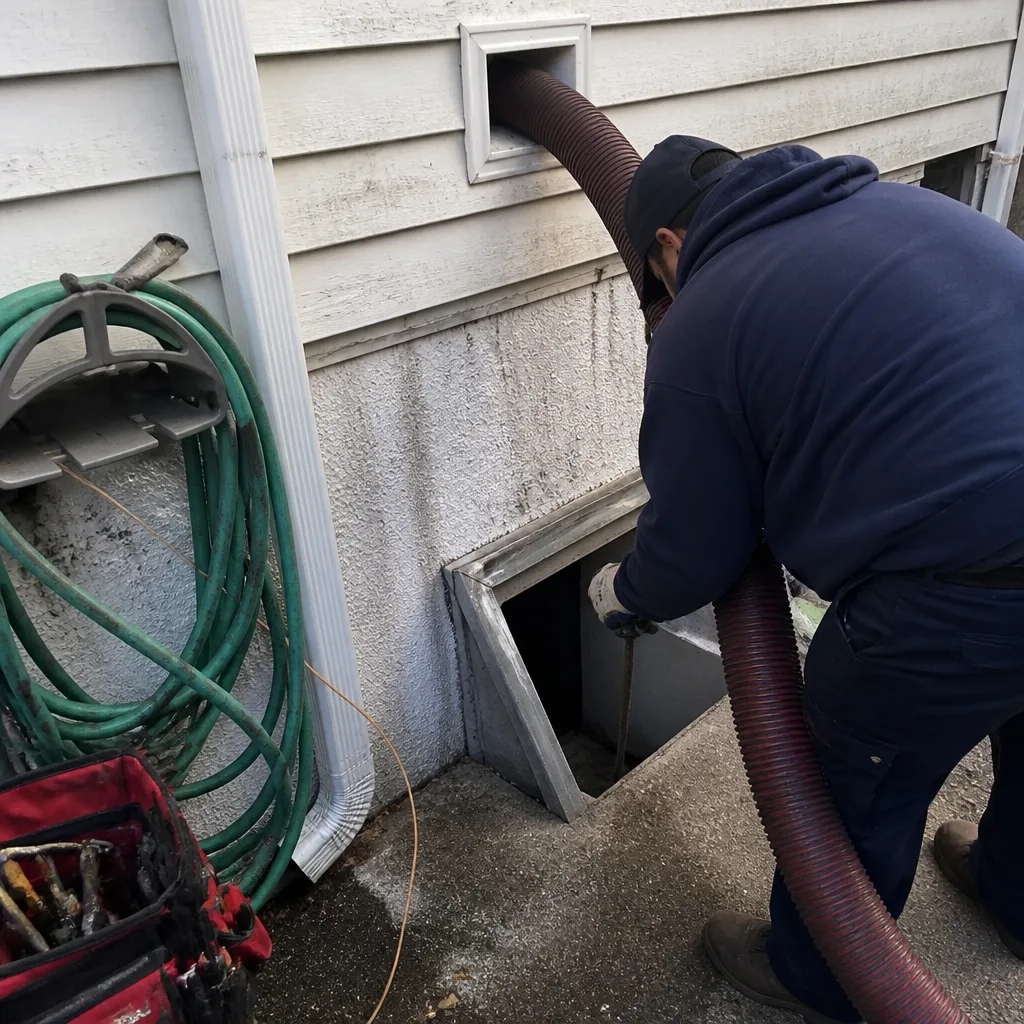 Before
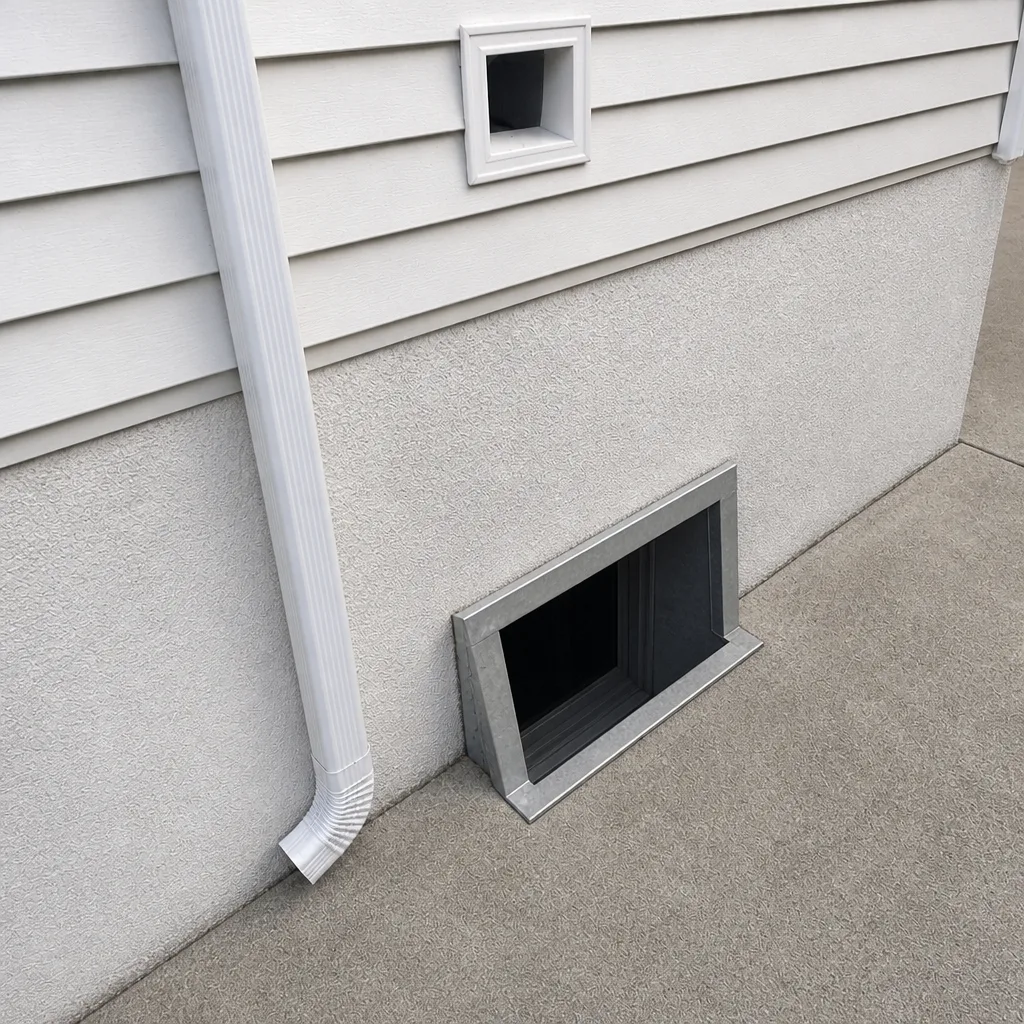 After
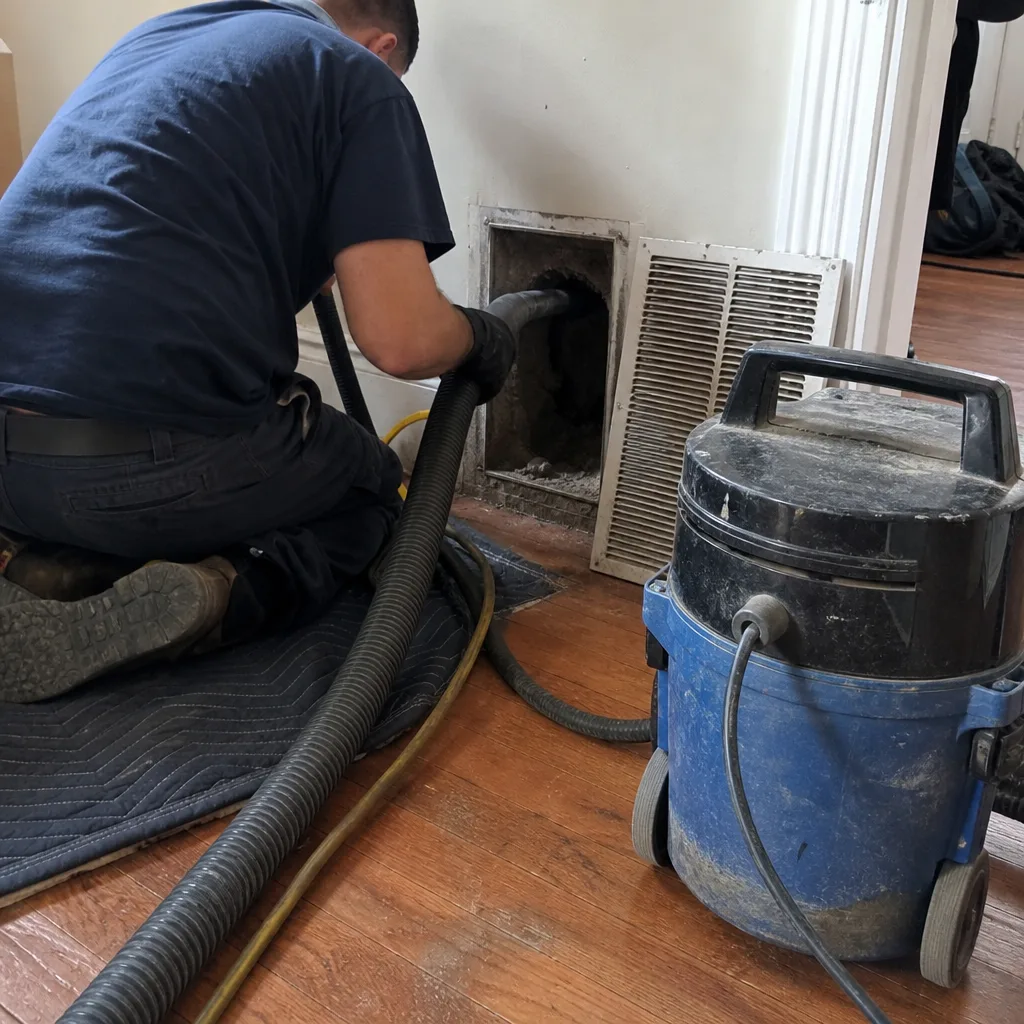 Before
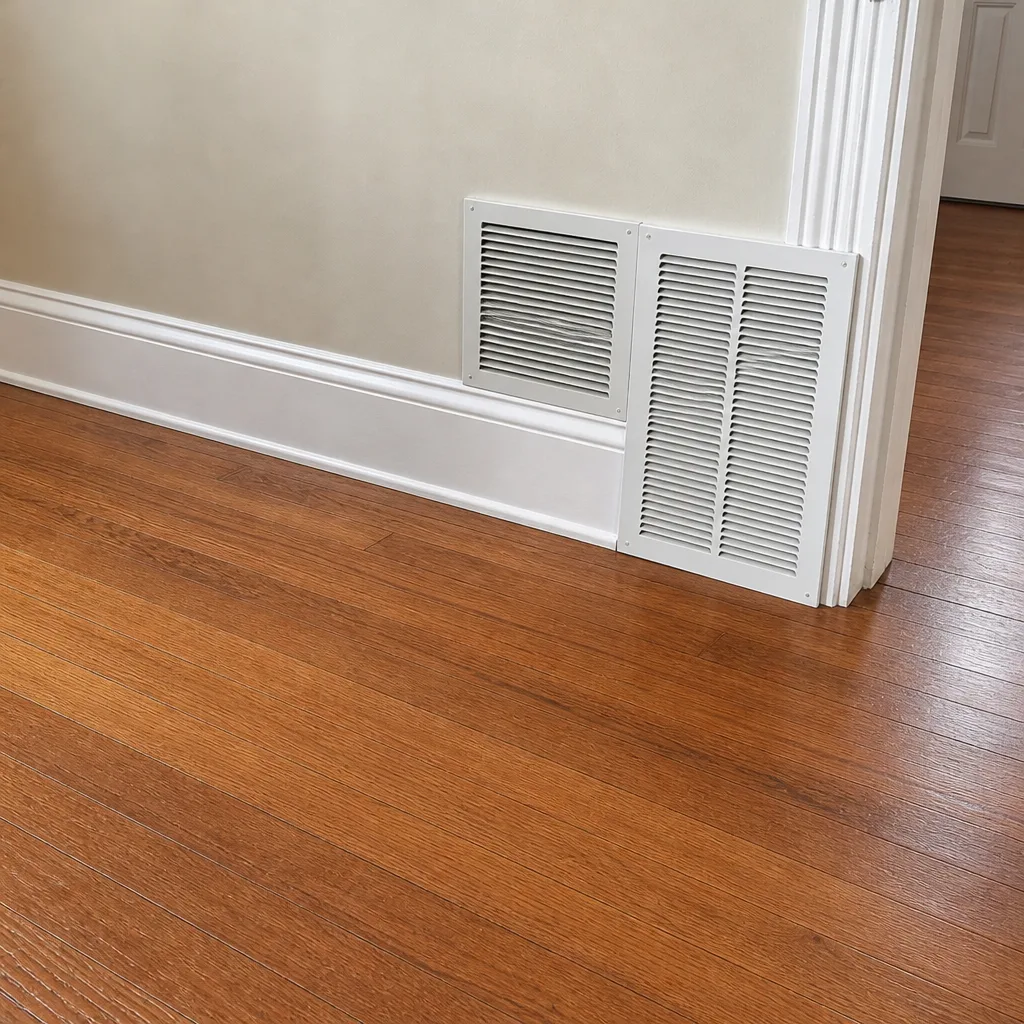 After
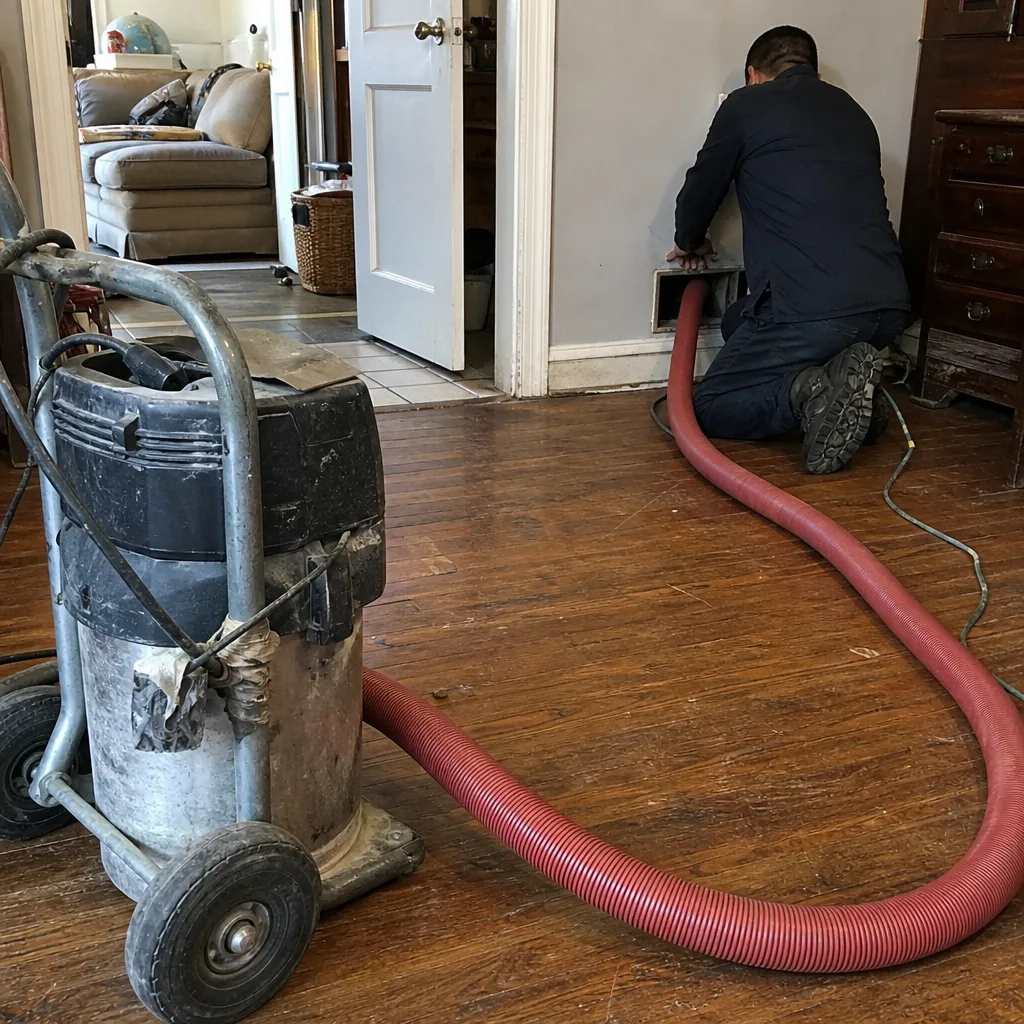 Before
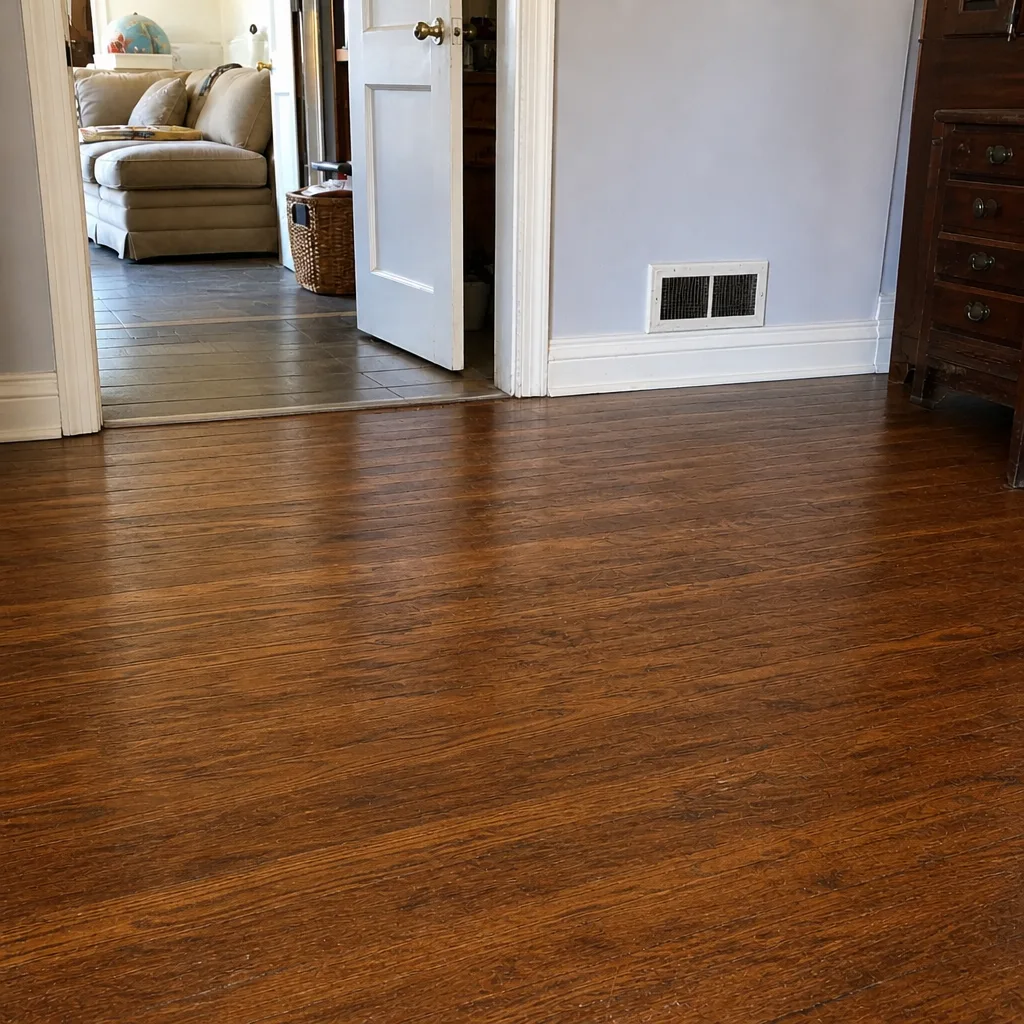 After
When to Call a Professional
Not every dusty register calls for a full system cleaning. But some situations need a trained technician, not a YouTube video and a shop vac. Call a professional if you notice persistent dust on surfaces shortly after cleaning the house, visible dark streaks around register covers, musty odors from the return when the HVAC runs, or airflow that feels weak at rooms farthest from the air handler. Allergy flare-ups that follow the HVAC cycle point toward the same system. If your dryer takes longer than it should to dry a load, or the exterior vent flapper doesn’t move while it runs, have the vent inspected. And if you’re a property manager in Flatbush preparing an apartment for a new lease, a documented cleaning with before-and-after photos is often worth more than a verbal assurance from a previous tenant.
Air Duct Cleaning Flatbush offers free estimates in Flatbush. Call (866) 937-8518. We answer 24/7. Fast dispatch from 7am to 7pm, Sunday through Friday.
Frequently Asked Questions
We price per system, not per vent, and the written estimate sets the final price for your specific job. The range depends on the number of duct runs, duct material, and access difficulty. Pre-war apartment buildings and converted brownstones with boxed-in runs cost more to clean than a straightforward single-family layout. Call (866) 937-8518 for an exact quote. Estimates are free.
Cheap quotes usually skip equipment and scope. A crew with a shop vac, no containment, and a per-vent price can undercut a specialist on the estimate, then find reasons to raise the number on-site. Ask every bidder the three equipment questions (vacuum unit and CFM, agitation method, filtration standard) and compare the answers. The low number becomes a different quote once you’ve checked. Call (866) 937-8518 for a flat, written estimate before work starts.
Request before-and-after photos of your own duct interiors, taken at each access point. Compare them against the scope of work that lists every supply and return. A crew that can’t or won’t show you the photos has left you no way to verify. Call (866) 937-8518 to schedule a cleaning where the photo record is part of the job.
Most homes don’t need annual cleaning. If your filters are changed on schedule, the registers are intact, and the system is sealed, the interval is longer. Homes with pets, recent renovation dust, or a known contamination event benefit from an inspection sooner. The honest answer is inspection first, cleaning when the inspection justifies it. Call (866) 937-8518 to have your system assessed.
Yes, at the start. You want to be present for the walkthrough: access points identified, photos taken, scope confirmed. You don’t need to supervise every minute afterward, but you should be there to review the before-and-after photos and the scope-to-result check before the crew leaves. If you’re a Flatbush property manager, coordinate with your super to be on-site for the walkthrough.
Cleaning removes accumulated contamination from the system, and for many people that’s a meaningful improvement in indoor air quality. It isn’t a guaranteed medical fix. The bigger gains come from combining cleaning with sealing gaps and upgrading filtration (Honeywell and Aprilaire products are what we install) so the system stops re-introducing what you just removed. Our technicians have up to 14 years of experience assessing system condition and recommending the combination that fits your setup. Call (866) 937-8518 to talk through what your system needs.
The Bottom Line
The right way to hire an air duct cleaning contractor in Flatbush is to verify equipment, method, and scope before you verify anything else. Ask for the vacuum unit and CFM, the agitation method, and the filtration standard. Ask for the walkthrough: access points, system mapping, and before-photography. Require a written scope that lists every vent, specifies sealing of gaps, and commits to before-and-after photos of your own ducts. Price it per system, not per vent. Whether you’re in a pre-war apartment on a connected block or a converted brownstone, the checklist is the same, and the contractors worth calling answer those questions without hesitation.
See how we approach Air Duct Cleaning Flatbush with purpose-built Rotobrush and Nikro systems and Abatement Technologies containment equipment, and whether full-system cleaning with repair and sealing fits your home. Ready to schedule? Call (866) 937-8518 for a free estimate. We answer 24/7. Fast dispatch from 7am to 7pm, Sunday through Friday.
Written by the team at Air Duct Cleaning Flatbush.