
Last updated November 22, 2026
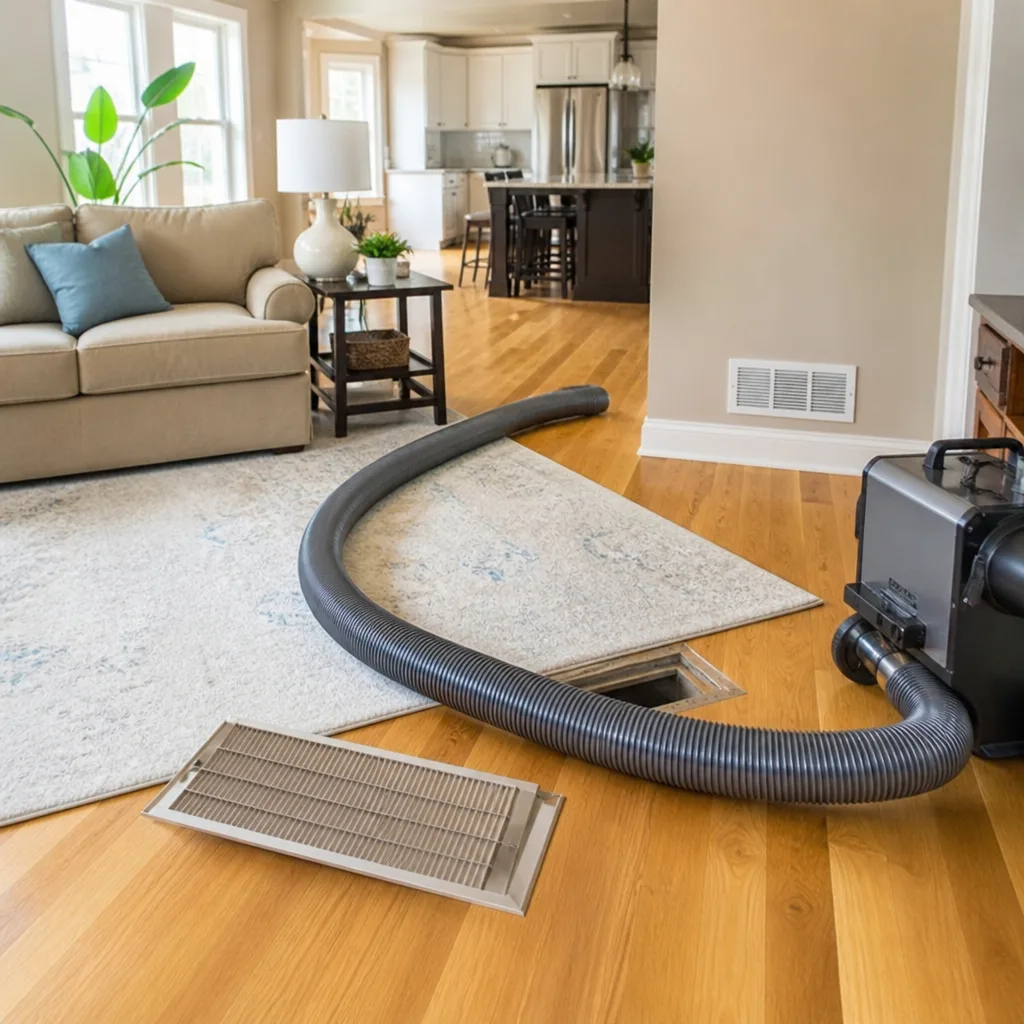 Whole-home duct cleaning
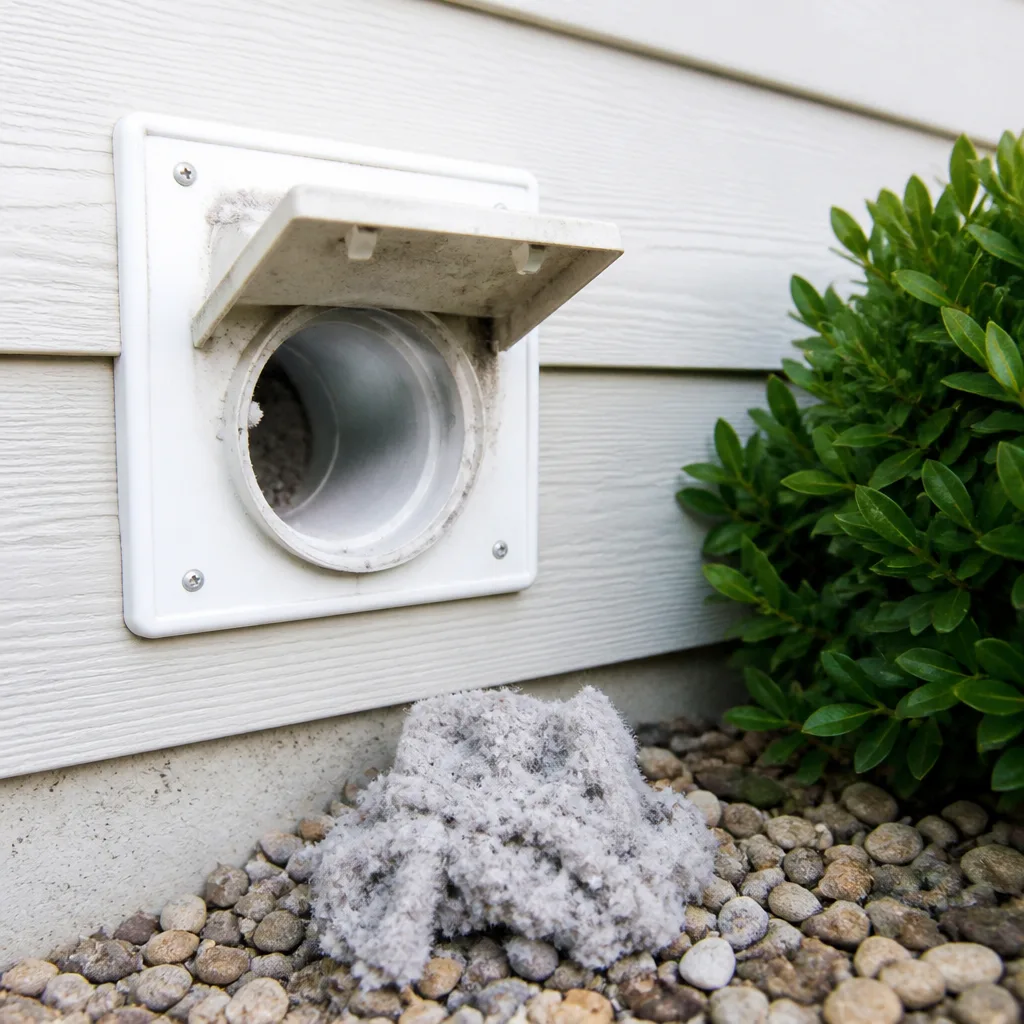 Dryer vent cleaning
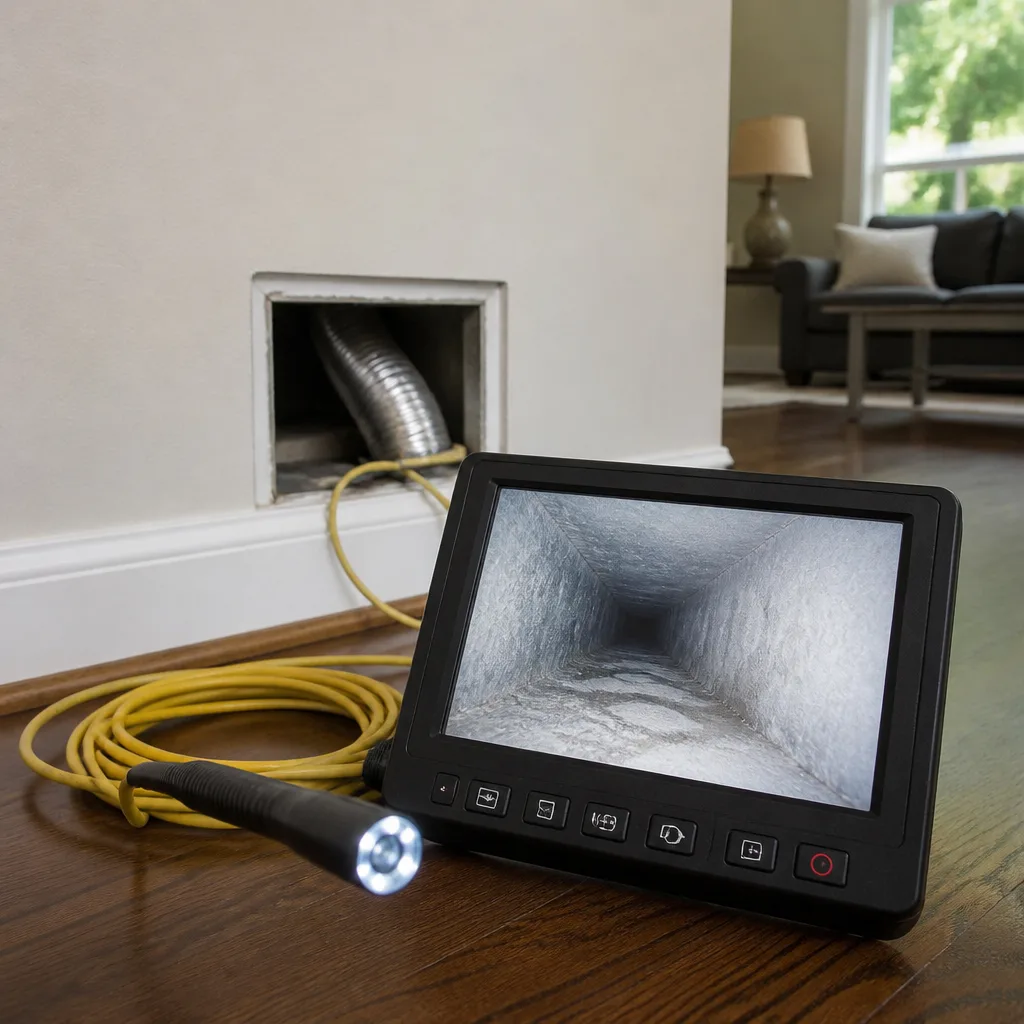 Camera inspection
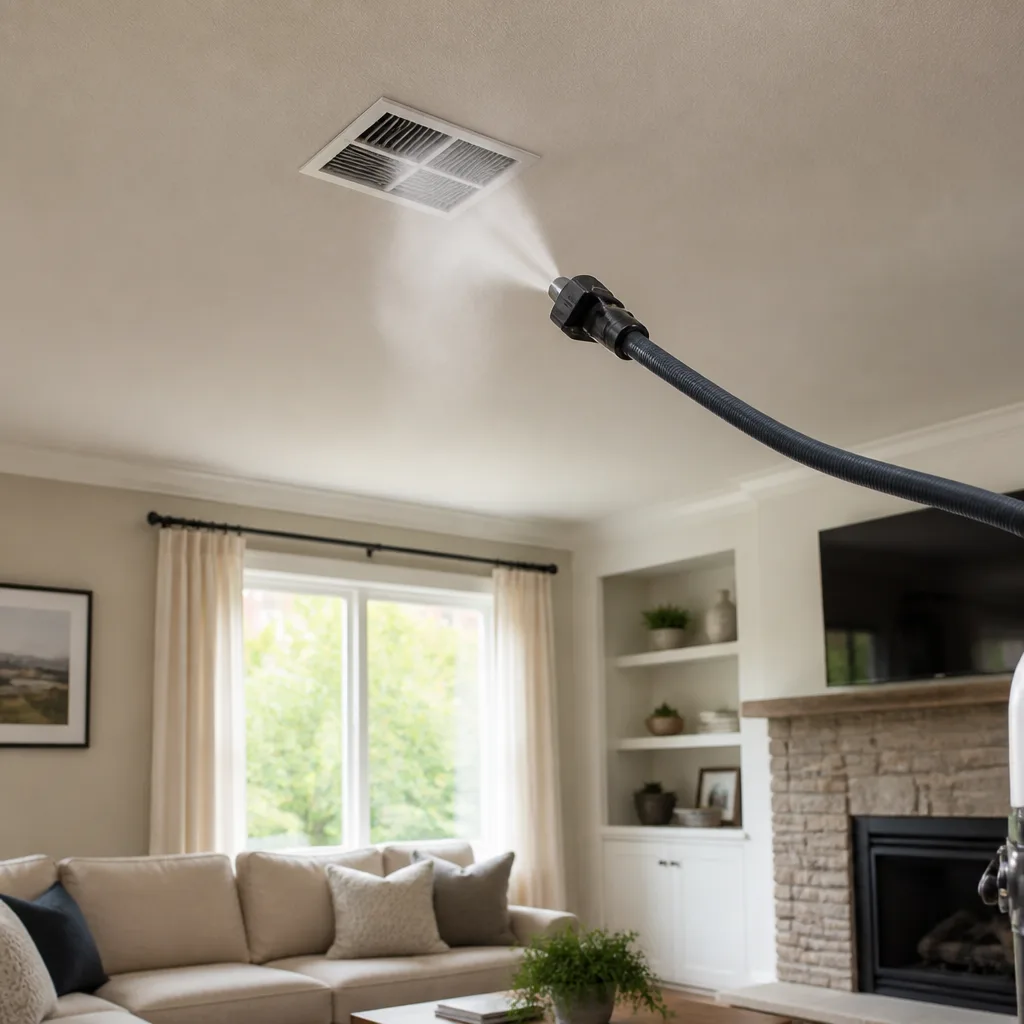 Sanitizing & deodorizing
Whole-system duct and dryer vent check with before-and-after photos - you see exactly what came out of your vents
That "$99 whole-house special" is a bait ad - the real number appears once they are in your hallway, or the "clean" is a shop-vac at the register. We photograph the inside of your ducts before and after instead.
The Complete Guide to Air Duct Cleaning in Flatbush
Most people picture duct cleaning as a vacuum pointed at a few floor registers. That picture leaves out almost the entire system. The ducts running through a Flatbush home include the return trunk, the supply runs behind the walls, the plenum above the furnace, and the blower compartment itself. A cleaner who never opens those areas can walk out with a clean-looking floor and leave most of the accumulated debris exactly where it was. This guide maps the whole mechanical chain, explains what a real cleaning has to touch at each stage, and shows you how Flatbush’s dense, mixed-age housing changes what your ducts need.
Quick Answer
Air duct cleaning in Flatbush removes accumulated debris from every part of the duct system, not just the visible registers: the returns, supply runs, plenum, blower compartment, coil, and vents. A proper job uses purpose-built extraction equipment with source removal as the goal, then seals gaps and addresses filtration so the ducts stay cleaner. It matters more here than in a suburban house because Flatbush’s older, converted, and densely occupied buildings trap grease, pollen, and renovation dust in ways a surface clean never reaches.
Styles & brands we work with
- Whole-home duct cleaning
- Dryer vent cleaning
- Camera inspection
- Sanitizing & deodorizing
Table of Contents
- Why Your Duct System Is a Chain, Not a Single Pipe
- Component by Component: What a Full-System Clean Covers
- Why Flatbush Buildings Contaminate Differently
- Pre-War and Mid-Century Duct Geometry
- Source Removal vs. Blow-and-Go: What the Tools Tell You
- Reading a Post-Cleaning Inspection Report
- Sealing and Filtration: Keeping the Result
- How Often Ducts Actually Need Cleaning
Why Your Duct System Is a Chain, Not a Single Pipe
Air leaves your furnace or air handler, travels through the supply plenum, splits into branch runs, and exits at the registers. It comes back through return grilles, travels down the return trunk, passes the filter, and moves across the evaporator coil before re-entering the blower. Every one of those stages is part of the duct system. When one stage holds debris, the whole chain moves dirtier air than it should.
That’s why we describe the work as full-system cleaning rather than duct vacuuming. A register that looks clean tells you nothing about the plenum sitting above it, and a return grille with a fresh filter behind it says nothing about the trunk it feeds. Contaminants collect where air slows down and turns: at plenum transitions, behind the coil, at the base of branch takeoffs, and in the last few feet before a register where the run narrows. Those are exactly the places a surface-only crew skips because reaching them takes equipment and time.
Picture a Flatbush apartment building with a shared mechanical space and long return runs serving multiple units. The return air from every unit converges in one trunk, and whatever collects in that trunk gets pulled through the shared coil. Cleaning one register in one unit does nothing for the trunk or the coil. When we assess a job here, we’re looking at the whole path the air takes, which is why we treat the coil and blower compartment as part of the duct system rather than as unrelated HVAC parts.
Component by Component: What a Full-System Clean Covers
A credible cleaning treats each component as its own task, with its own tool and its own inspection point. Here’s what that looks like when a job is done properly, and what a surface-only crew typically leaves behind.
- Return grilles and trunks: grilles removed and washed, trunk brushed and extracted end to end. A surface crew vacuums the grille face and stops.
- Supply registers and branch runs: each run brushed with a flexible head sized to the duct, then extracted under negative pressure. Surface crews wipe the register and often never enter the run.
- Plenum and transition fittings: the large box above the air handler, where debris piles thickest. Frequently skipped because it’s out of sight and cramped.
- Blower compartment and fan blades: dust-caked blades reduce airflow and throw debris back into the airstream. Skipped by crews without the training to open and reseal it.
- Evaporator coil: a coil with a mat of dust and lint on the fins can’t transfer heat efficiently. Frequently untouched by cleaners who don’t handle HVAC components.
- Duct interior surfaces and joints: brushed to loosen adhered material before extraction. Blow-and-go methods skip the brushing step entirely.
- Air-quality components: filters, media cabinets, humidifiers, and UV or filtration add-ons, inspected and cleaned or replaced as needed.
Notice that brushing comes before extraction. Dislodging debris without containing it is how a cleaning turns into a dust event: the blower spreads loosened material through the living space. Our Abatement Technologies negative-air protocols keep the work zone under containment so dislodged debris travels into the extraction system, not into your rooms. That’s the difference between cleaning a duct and redistributing what was in it.
Why Flatbush Buildings Contaminate Differently
Flatbush isn’t a development of identical tract homes built to a single floor plan. It’s a dense mix of pre-war apartment buildings, mid-century co-ops, and single- and two-family houses, often modified over the years to serve more people than they were designed for. That history shows up inside the ductwork.
Cooking grease infiltration is the first pattern we look for. In buildings converted from single-family to multi-family use, kitchen exhaust and return paths often share space that was never planned for it. Grease vapor rises, cools, and sticks to duct walls where it traps lint and dust into a sticky film. That film doesn’t brush off easily with a vacuum alone; it needs mechanical agitation and proper extraction. A cleaning that skips the grease-prone runs leaves the film to keep collecting.
Street-tree pollen load is the second. Flatbush’s tree-lined blocks are one of the neighborhood’s best features, and they also mean that return air intakes draw in a heavy seasonal pollen load that settles in return trunks and on coil fins. If you notice allergy symptoms spiking in spring, your ducts may be holding last season’s pollen.
Construction dust is the third. Renovation is constant across Flatbush, and fine drywall and masonry dust migrates through a building’s shared air paths far beyond the unit being worked on. New filters catch some of it. Duct interiors that already hold debris catch the rest and keep recirculating it long after the work is finished. If your building has had renovation nearby, a duct inspection is worth having before allergy season.
Pre-War and Mid-Century Duct Geometry
The age of Flatbush’s housing stock shapes which tools can actually reach the ductwork. Pre-war buildings often have short, boxy supply runs with sharp elbows and limited access panels. Mid-century buildings sometimes use undersized runs squeezed into ceiling assemblies. Neither layout is cleanable with a rigid rod system that needs a straight line of sight.
That’s where flexible heads matter. Rotobrush systems and similar purpose-built equipment use flexible, motorized brushes that follow a duct’s bends and turns rather than forcing a straight path. In a pre-war Flatbush building with a tight elbow behind a wall cavity, a rigid rod might reach the first turn and stop. A flexible head rides around it and scrubs the run to the register. The same logic applies to Nikro extraction tools that work through access openings the size of a vent cut.
Access is the other half of the geometry problem. Older buildings often have no dedicated cleaning ports, so the technician has to work from existing openings, then create and properly reseal any new ones. A crew that cuts corners here either leaves gaps that leak air or can’t reach the far end of a run at all. When we assess a Flatbush building, we check where the runs actually go before quoting the job, because the tool choice and access plan are determined by the physical layout, not by a one-size template.
Source Removal vs. Blow-and-Go: What the Tools Tell You
There are two categories of duct cleaning, and the equipment on the job is usually your best clue which one you’re getting.
Source removal is the standard the trade is built around. Debris is dislodged from surfaces, contained, and extracted until the duct interior is clean. That requires agitation tools (motorized brushes and air whips) plus high-capacity negative-air extraction equipment. A proper source-removal job on a Flatbush apartment will bring in equipment purpose-built for duct work, not a shop vacuum wheeled in from a van.
Blow-and-go is the shortcut. The technician runs compressed air through the duct and lets the loosened debris exit wherever it can, often through your registers. It takes less time, uses lighter tools, and produces a dramatic puff of dust at the vent that can look like results. What it can’t do is remove the adhered film and fine material that has bonded to duct walls.
What to look for in the tools:
- Motorized brush heads rated for the duct material, not generic drill brushes.
- High-capacity vacuum units with HEPA filtration and a containment setup.
- Negative-air equipment that keeps the work zone depressurized.
- Camera inspection tools to see into the runs and confirm the result.
Our technicians have up to 14 years of experience working with Rotobrush and Nikro duct systems because they’re the tools the work was designed around. When a crew pulls up with a shop vac and a leaf blower, you’re getting a blow-and-go clean, whatever the quote says.
Reading a Post-Cleaning Inspection Report
A cleaning you can’t verify is a cleaning you have to take on faith. A credible contractor should document what was done and how they know. Ask for the report before work starts so you know what to expect.
A proper report covers four things:
- Scope: which components were cleaned (returns, supply runs, plenum, coil, blower), listed by name, not a single line item called “duct cleaning.”
- Before-and-after documentation: photos or video inside the ducts at the same spots, so you can see the change yourself.
- Findings: anything abnormal, like grease-heavy runs, cracked joints, or a coil that needs separate attention.
- Recommendations: sealing or filtration work needed to keep the result, or a note that the system is in sound condition.
Before-and-after photos of your own ducts are the simplest way to confirm that the work was actually done. If a contractor can’t show you the inside of your own system, ask why. The documentation we produce for Flatbush customers includes photos taken at matched points, so you’re not comparing two interpretations of “clean.”
Sealing and Filtration: Keeping the Result
A cleaned duct is not a permanently clean duct. Every gap at a joint, every disconnected fitting, every unsealed access panel pulls air from where it shouldn’t: crawl spaces, wall cavities, and dusty attic spaces. Sealing is how you keep the result you just paid for.
Duct repair and sealing close those gaps. That does two things at once: it stops the air leaks that raise your energy bill, and it stops unfiltered debris from re-entering the system after the cleaning. If your ducts are clean but leaking, you’ve cleaned the inside of a container that isn’t airtight. Our Air Duct Cleaning Flatbush team treats repair and sealing as part of the same job, because cleaning without sealing tends to come back.
Filtration is the other half. A system designed for a basic fiberglass filter isn’t designed to catch the fine particles older buildings generate. Upgrading to a media filter cabinet or a higher-MERV filter (Honeywell and Aprilaire both make the kind of whole-home filtration setups we install) captures what a basic filter misses. For a home where cooking grease vapor or renovation dust is a chronic issue, filtration is the tool that handles the day-to-day load between cleanings.
Air quality sanitizing fits here as well. After a full clean and any sealing work, sanitizing the duct interiors helps address the microbial load left in the system. It’s not a substitute for cleaning, and it gets skipped by cleaners who never did a full-system clean in the first place.
How Often Ducts Actually Need Cleaning
There’s no single schedule that fits every Flatbush home. The right interval depends on the building, the occupancy, and what’s happening around it.
Reasonable triggers for a cleaning:
- Visible dust plumes or debris blowing from registers when the system starts.
- A persistent musty or stale smell when the blower runs.
- Notable dust buildup on surfaces shortly after cleaning the room.
- Allergy symptoms that worsen when the HVAC is running.
- A recent renovation or nearby construction that generated fine dust.
- Completion of a remodel or a move into an older building.
- A dryer vent that hasn’t been cleaned, which is a separate fire-safety matter entirely.
For most well-maintained homes, cleaning every few years is reasonable. In a dense Flatbush building with shared returns, multiple units, and heavy seasonal pollen, a shorter interval is often sensible. If your ducts show grease film from a kitchen conversion, the interval is shorter still. A proper inspection tells you more than a schedule does. If you’re not sure where you stand, the right move is an assessment of your system, which is what a free estimate gives you.
Common Mistakes to Avoid
- Choosing on price alone. A very low quote is a signal about the method (blow-and-go) or the scope (registers only), not a better deal. Cheap cleans often leave the plenum and blower untouched.
- Assuming a register wipe is a cleaning. The register is the visible end of a long run. If the plenum and trunk never got touched, the job isn’t done, regardless of what the surface looks like.
- Skipping containment. A crew that dislodges debris without negative-air containment just spreads it into your living space. Ask what containment equipment is used on your job.
- Ignoring the coil. A dust-loaded coil is part of the duct system’s chain. If the airflow path includes it, a full-system clean should address it.
- Not sealing after cleaning. Cleaning without sealing lets gaps pull unfiltered air back in within weeks. If the contractor doesn’t offer sealing, ask why.
- Confusing dryer vents with duct cleaning. A dryer vent carries hot, lint-heavy exhaust and is a fire-safety concern; a clogged vent needs dryer vent cleaning, which is a separate task from your comfort ducts.
- Forgetting HVAC components. The air handler and blower move every ounce of air in the system. Cleaning ducts but ignoring the air handler is like cleaning a kitchen but never opening the fridge. That’s where HVAC cleaning comes in, handling the equipment side of the same chain.
See the difference
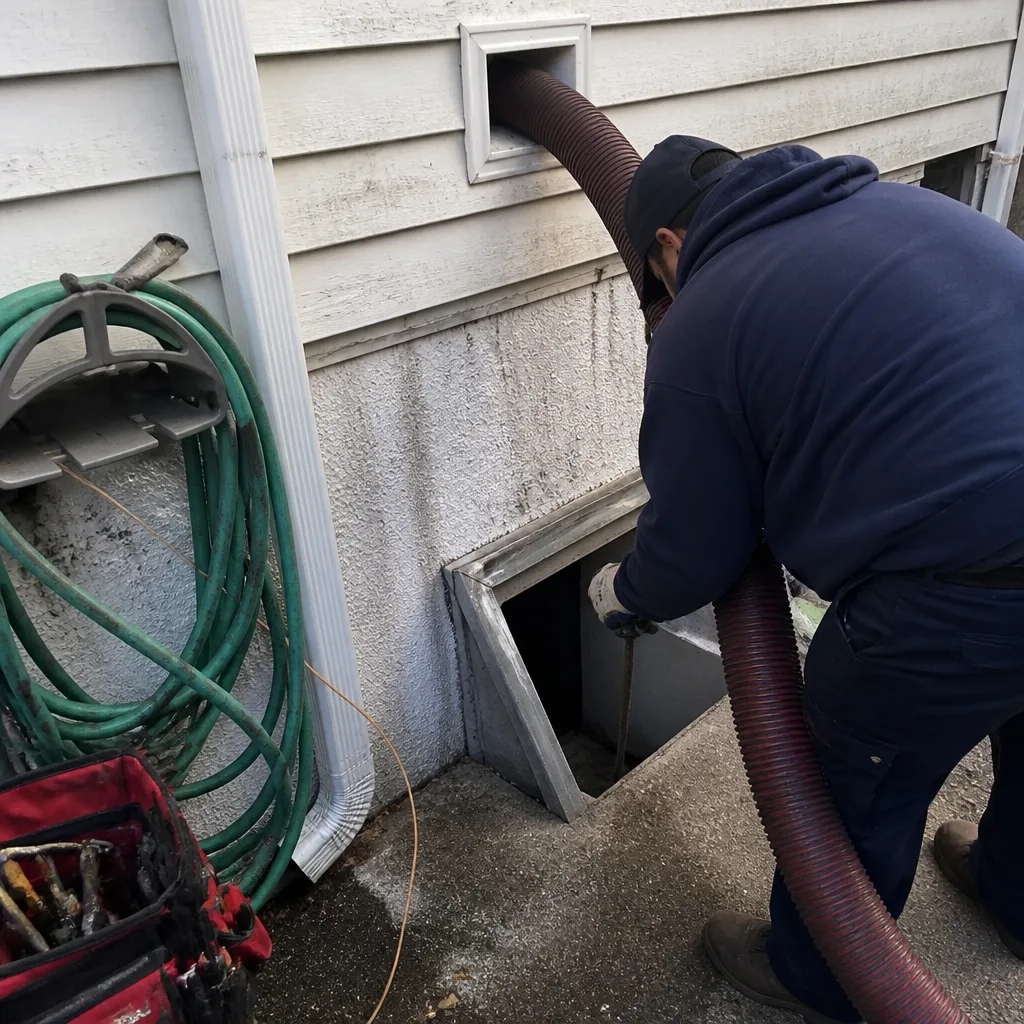 Before
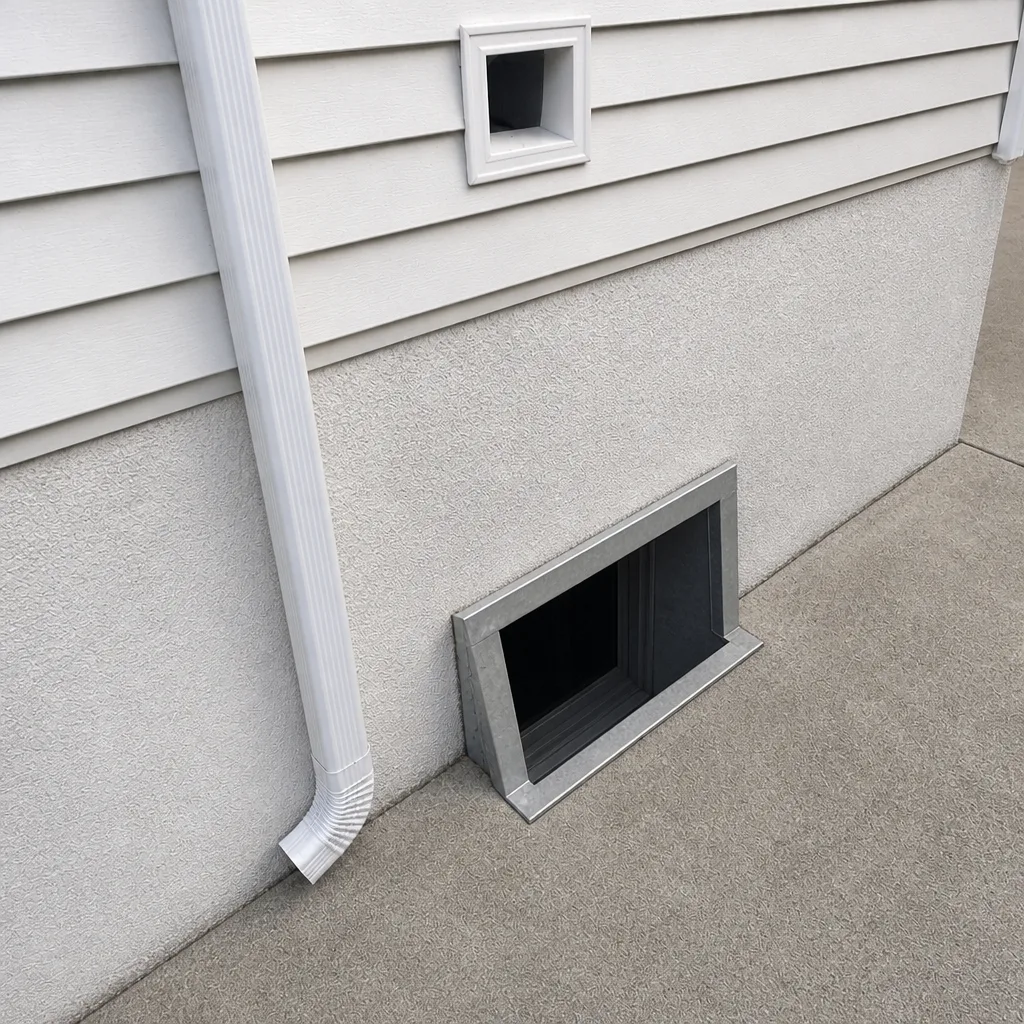 After
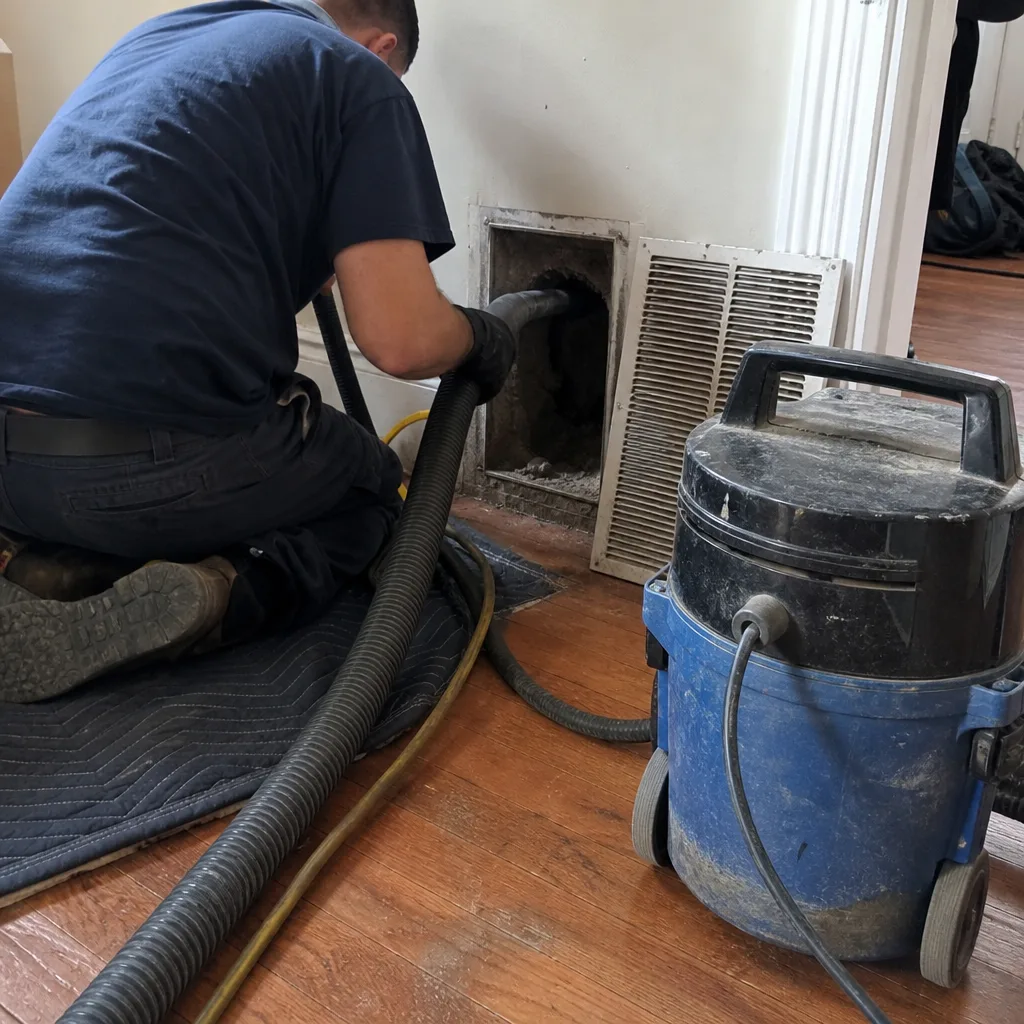 Before
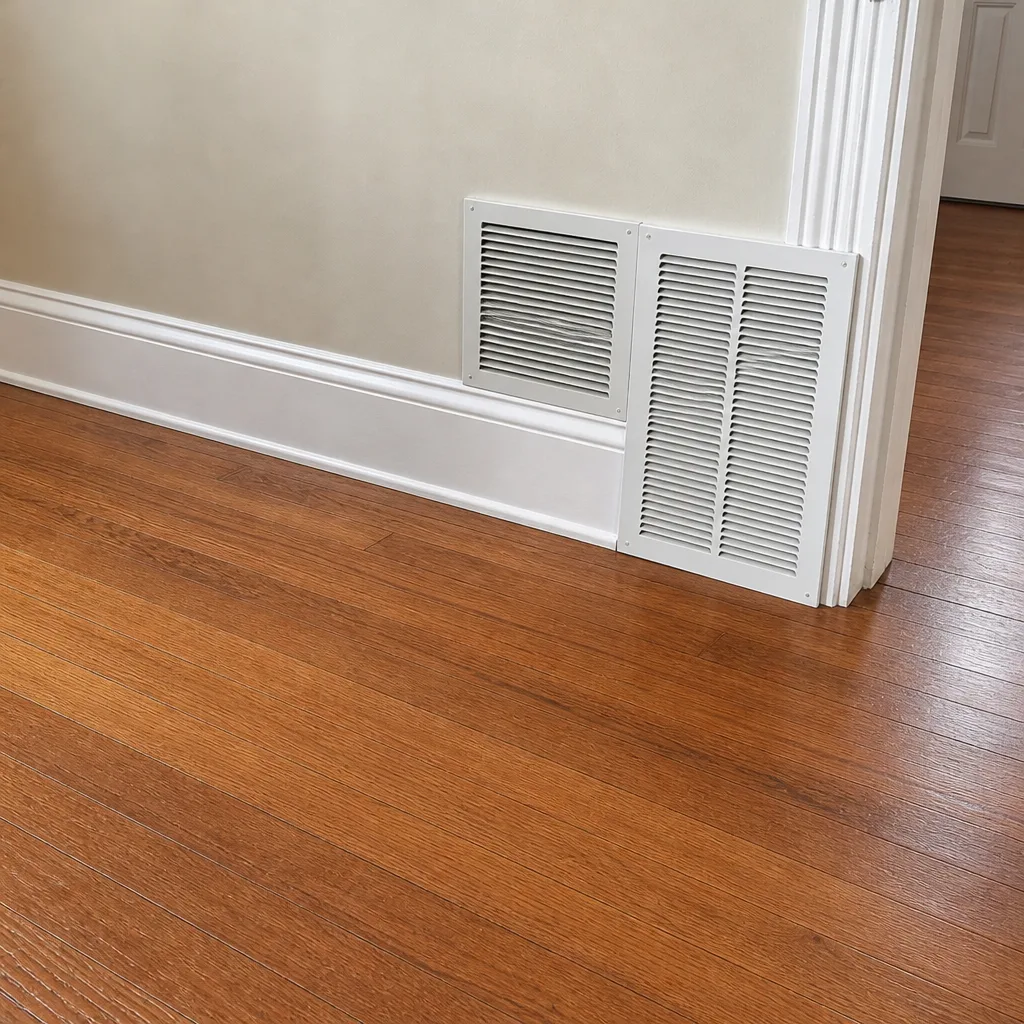 After
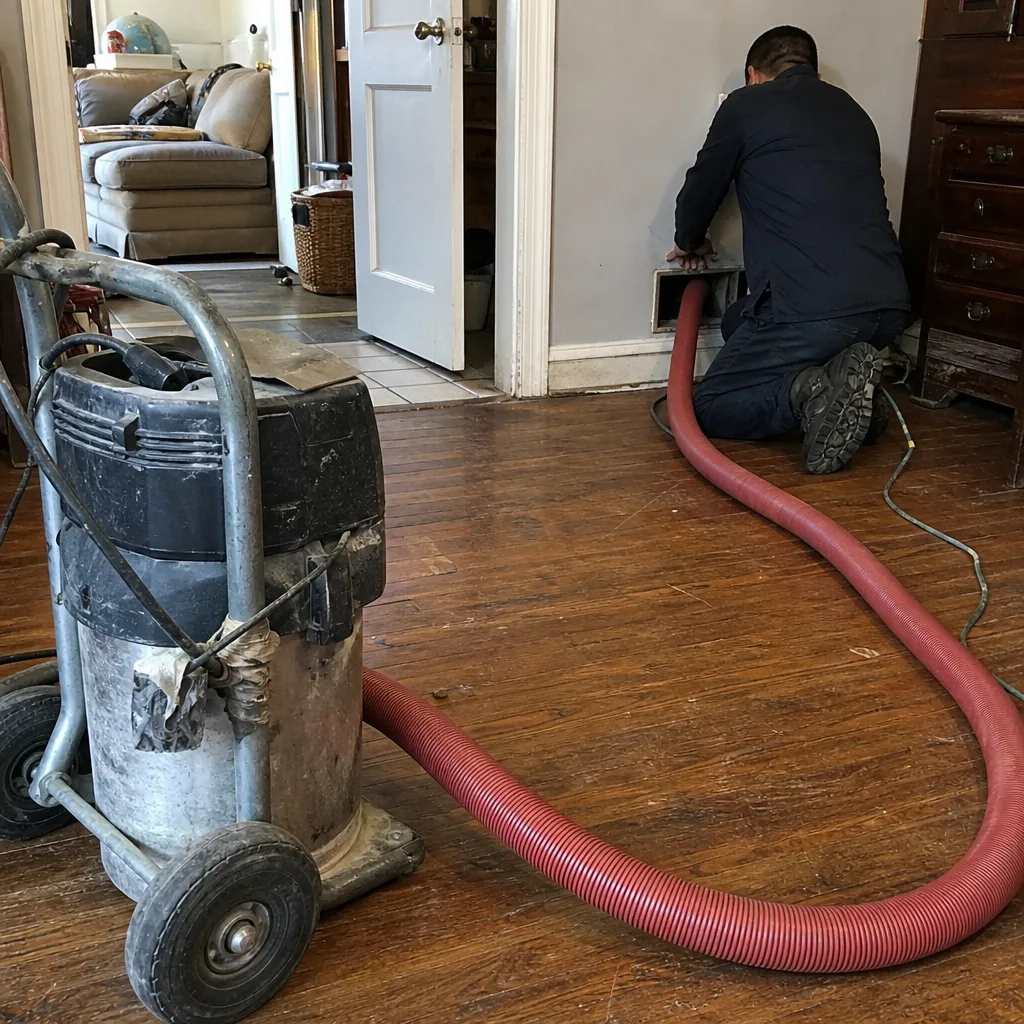 Before
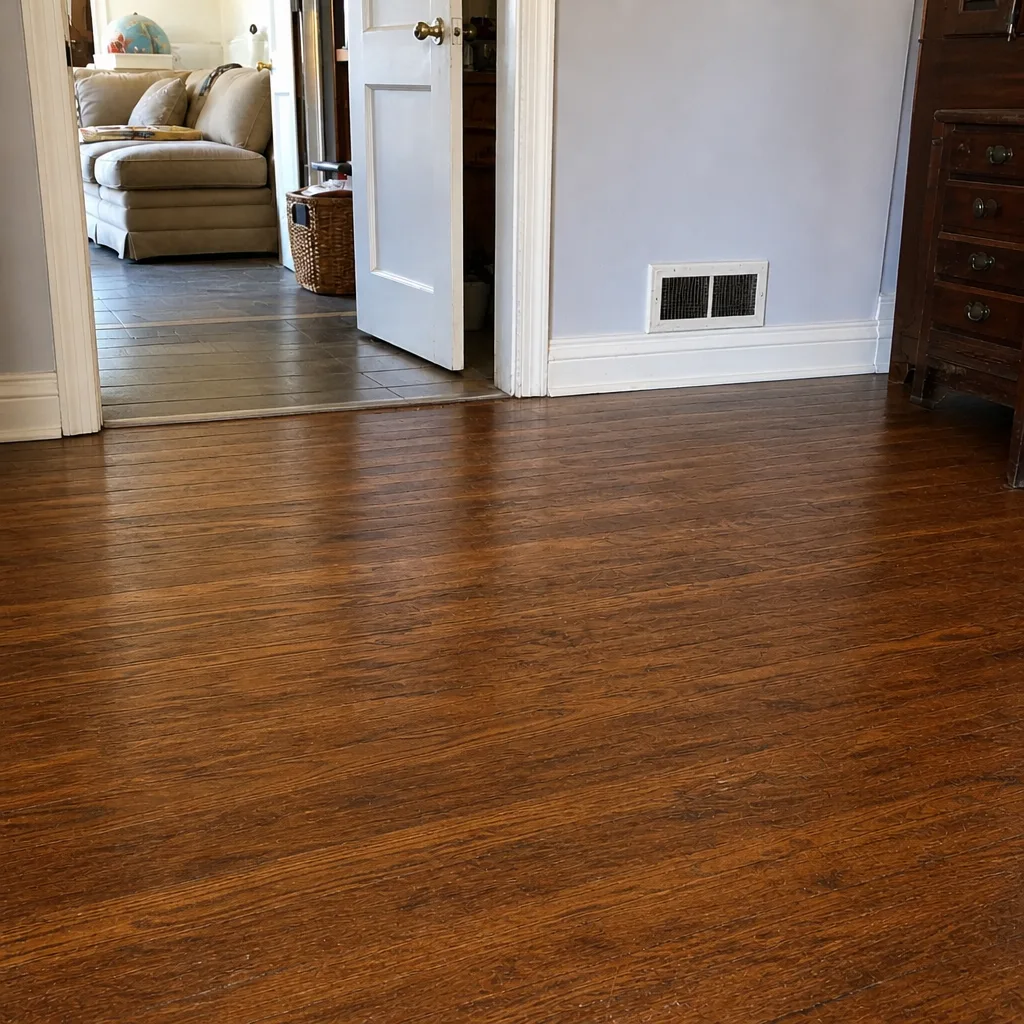 After
When to Call a Professional
Some jobs are worth doing yourself (replacing a filter, vacuuming a register grille). Duct interior cleaning isn’t one of them. The tools required are purpose-built, the containment setup matters, and a mistake can recirculate debris through your whole home. Call a professional if you see dust blowing from vents, smell a stale or musty odor when the system runs, notice allergy symptoms that worsen when the air runs, or have just finished a renovation. Also call if you’ve never had the ducts inspected and you live in an older Flatbush building, particularly one with shared or converted ductwork. Duct repair and sealing, sanitizing, and air-quality upgrades all need the same professional assessment. Air Duct Cleaning Flatbush offers free estimates in Flatbush. Call (866) 937-8518.
Frequently Asked Questions
There’s no honest single number, because the price depends on the size and layout of your system, the number of runs, and whether you need sealing or sanitizing alongside the clean. That’s why we price per system by written estimate rather than by a teaser figure. Call (866) 937-8518 for an exact quote. Estimates are free.
Very low quotes typically mean a narrower scope: registers only, no plenum, no coil, no containment equipment, and a blow-and-go method. The price reflects what’s actually being done. If a quote looks dramatically lower than others, ask what components the crew is cleaning and whether containment and sealing are included. Call (866) 937-8518 for a straight explanation of what our scope covers.
Ask for before-and-after photos of your own ducts at the same inspection points. A credible contractor documents the scope, findings, and results. If a crew can’t show you the inside of your own system, that’s a signal. Call (866) 937-8518 to ask what documentation we provide.
Most homes are fine on a multi-year interval. Dense Flatbush buildings with shared returns, heavy seasonal pollen, or units modified for multi-family use often benefit from a shorter interval. The right answer is based on an inspection, not a fixed rule. Call (866) 937-8518 to book an assessment.
Yes. Flatbush’s stock of pre-war and mid-century buildings, often converted for multi-family use, creates grease-heavy runs and tight duct geometry that need flexible tools and proper access work. Street-tree pollen and ongoing renovation dust add to the load. A generic suburban cleaning approach misses all three. Call (866) 937-8518 to talk through your building.
For buildings with shared supply and return trunks, a whole-building assessment is the right starting point, since one unit’s registers may connect to a system serving many. The scope depends on how the building is actually ducted. Call (866) 937-8518 to discuss the building’s layout and get a scope that matches it.
The Bottom Line
Air duct cleaning works when the whole system gets addressed: the returns, branch runs, plenum, blower, coil, registers, and air-quality equipment. A register wipe is not a cleaning, and a blow-and-go dust puff is not source removal. In Flatbush, the physical reality of pre-war and converted buildings means grease film, pollen load, and construction dust are common contaminants that need proper tools to reach. If you want to know what your ducts actually need, our team at air duct cleaning can assess the system and give you a written scope and price. Replacing filters is a start; a professional assessment tells you how much of the chain is clean.
Written by the team at Air Duct Cleaning Flatbush.